Despite the vibrant Christmas decorations adorning Colombo, Sri Lanka faces a dichotomy of festive cheer and economic distress. The nation, grappling with a crumbling economy, soaring inflation, and a mismanaged financial landscape, ushers in 2024 with uncertainty. As the country awaits the scheduled presidential and parliamentary elections before September, it grapples with higher taxes, increased Chinese influence, and a prevailing economic crisis.
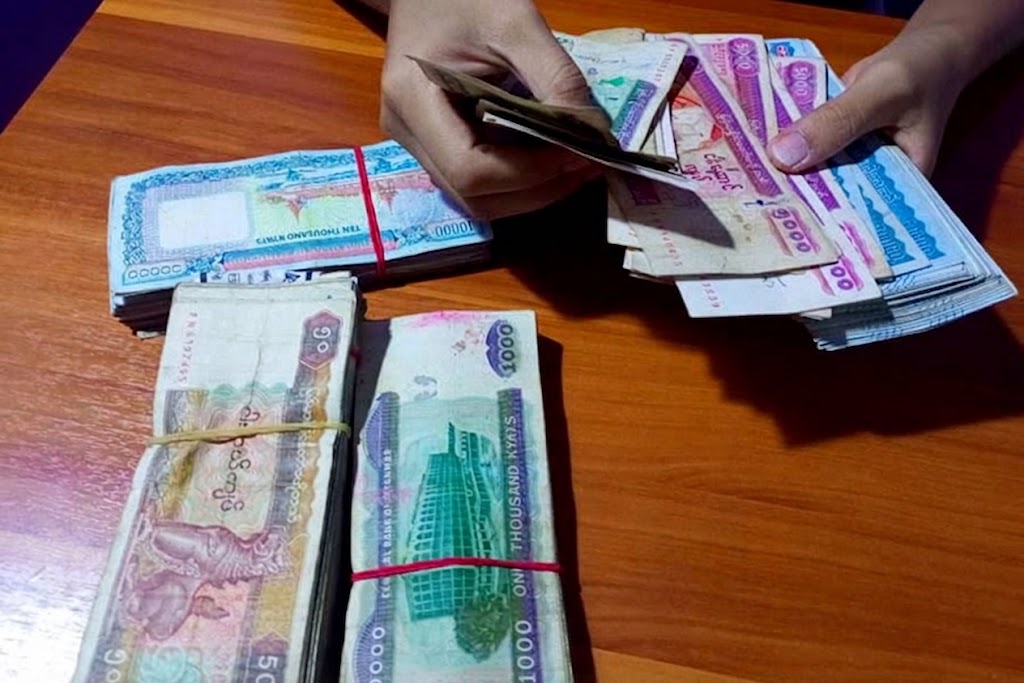
The festive atmosphere, embellished for tourists, contrasts sharply with the economic challenges faced by the local population. The government's decision to increase the value-added tax (VAT) on fuel, mobile phones, consumer products, and computers to 18%, part of pre-emptive belt-tightening ahead of foreign debt restructuring, has stirred public discontent. Amid rising prices and stagnant wages, Sri Lankans are cutting back on nutrition and essentials, accentuating the economic hardships.
The political landscape is marked by uncertainty, lacking a credible political combination that resonates with the people. President Ranil Wickremesinghe's ascent to power through a constitutional technicality rather than a popular vote adds to the crisis of confidence. The political class's credibility is at an all-time low, with widespread discontent and accusations of financial mismanagement, exacerbating the challenges as the country approaches a crucial election.
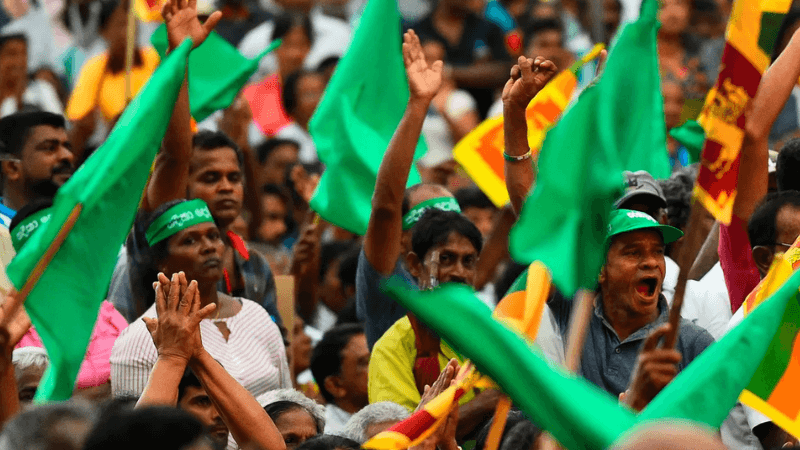
The election dynamics are shaped by the decline of traditional political parties like the Sri Lanka Freedom Party (SLFP) and the United National Party (UNP), overshadowed by newer formations like the Sri Lanka Podujana Peramuna (SLPP) and the Samagi Jana Balawegaya (United People's Power). The popularity of Sinhala-Buddhist politicians remains dominant, emphasizing the challenge of building trust beyond majoritarian sentiments.
As India closely watches the political developments in its neighboring country, the deep engagement of China in Sri Lanka's economy remains a critical factor. China's involvement in projects like Port City, the Hambantota oil refinery, and ownership of petrol retail stations poses challenges for India's strategic interests. Despite efforts to recalibrate strategies, Sri Lanka's political and economic landscape remains intricate, requiring deft navigation to address the pressing issues at hand.
BOB Post