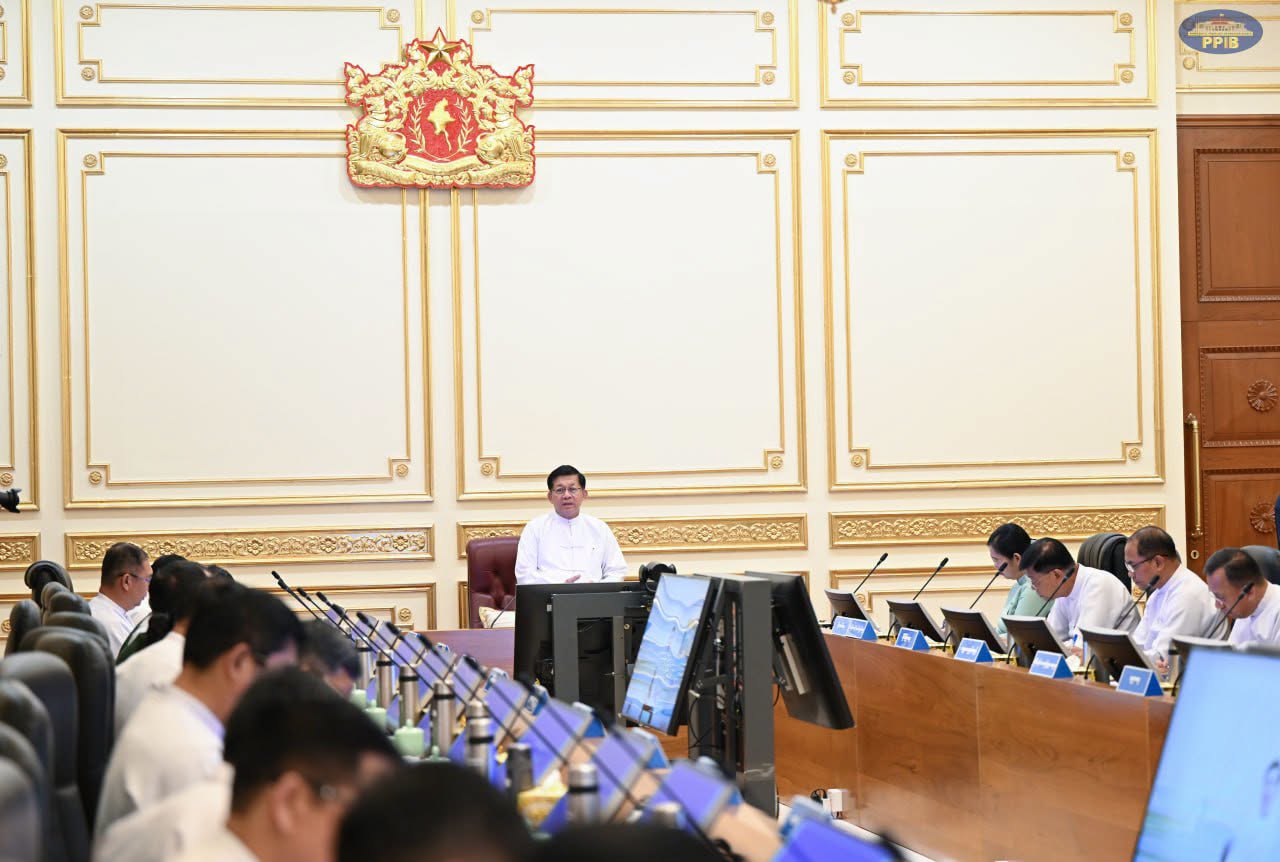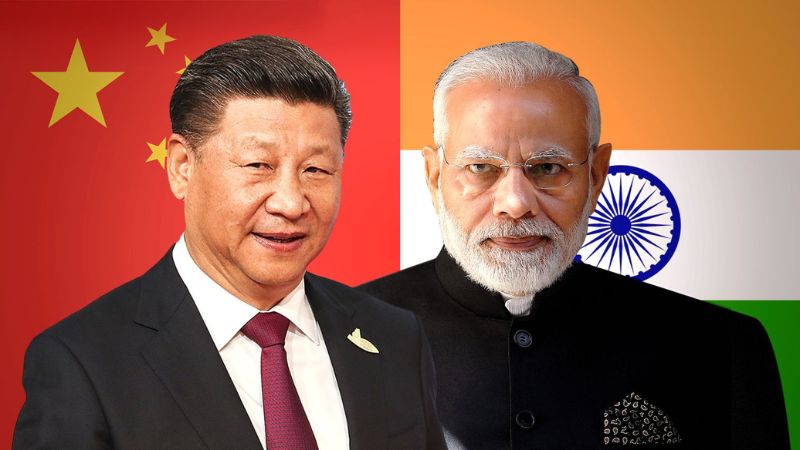
On November 4 and 5, the Indian Council of World Affairs (ICWA), a government-funded think tank based in New Delhi, hosted a 17-member delegation representing Myanmar's military junta, civil society, and political parties aligned with the ruling military regime. Media reports indicate that New Delhi is planning to invite a similar delegation from Myanmar’s anti-junta forces in the near future. These meetings highlight the growing rivalry between India and China in shaping the trajectory of Myanmar’s ongoing civil war, as both countries vie for influence over the conflict.
With Western countries largely absent from any significant intervention in the chaos, India and China, along with ASEAN nations, have emerged as the key international players, given their shared borders with Myanmar and the potential spillover effects of the conflict. Both nations, despite their differing interests, have found common ground in their approach, seeking to influence various factions involved in the war. Unlike the United States and European allies, who have imposed sanctions and refused to engage with Myanmar’s military junta, India and China have adopted a more inclusive strategy, engaging with actors from all sides of the conflict.
Since the military coup in early 2021, both India and China have hosted various factions from Myanmar’s civil war. However, China’s approach has been more overt in its support for rebel groups, with which it has longstanding historical ties, particularly among ethnic insurgents in northern Myanmar. In contrast, India has taken a more cautious stance, refraining from direct engagement with rebel factions until recently.
China’s strategy has been one of balancing its relationship with both the military and the rebel groups. While it has historically supported the military junta, Beijing has increasingly hosted rebel groups, particularly after the coup in 2021. This shift came as China expressed dissatisfaction with Myanmar’s military leadership over issues related to the safety of Chinese projects and personnel, as well as the rise in telecom frauds perpetrated by criminal gangs operating from safe havens within Myanmar.
The recent visit by General Min Aung Hlaing, Myanmar's military leader, holds significant implications. First, it underscores China’s view of Myanmar’s military as essential to any long-term political reconciliation, despite recent challenges faced by the junta in retaining control over key regions in the country’s north. The visit highlights China’s recognition of the military’s role in ensuring the security of Chinese investments and personnel in Myanmar, particularly in strategic infrastructure projects.
Moreover, the invitation to Min Aung Hlaing to attend a regional summit is seen as part of China’s broader efforts to end the junta’s diplomatic isolation, particularly within ASEAN. This move reflects China’s willingness to rehabilitate Myanmar's military leadership on the international stage, even as it faces growing pressure from other countries.
For India, its engagement with both sides of the conflict signals a significant shift in its approach to Myanmar. While New Delhi’s engagement is a positive step towards bringing all factions to the negotiating table, it also places India in competition with China for influence in Myanmar’s future. To navigate this delicate situation, India must strengthen its ties with ASEAN and collaborate with the United States and its allies to support a more inclusive reconciliation process in Myanmar.
As the conflict continues to unfold, both India and China remain key players in shaping Myanmar's future, with their diplomatic moves signaling an ongoing silent competition to influence the outcome of the civil war.
BOB Post