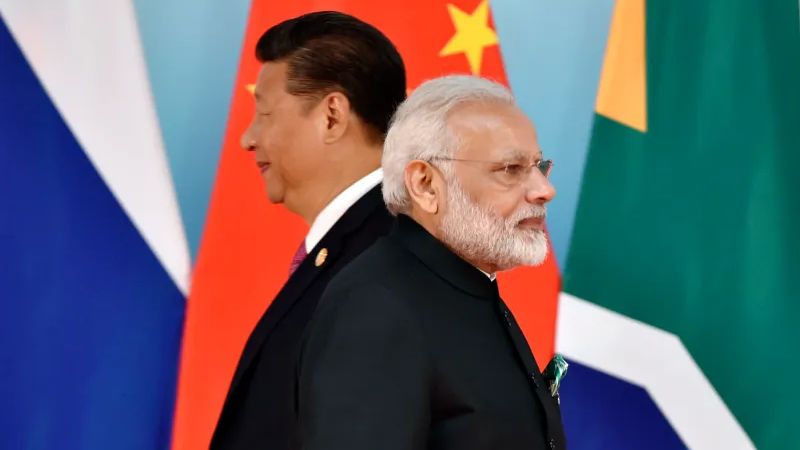
Maldives emerges as a battleground where China and India fiercely vie for influence, as a pro-Beijing party clinches a resounding victory in the parliamentary elections.
President Mohamed Muizzu's party's landslide triumph, securing 70 out of 93 parliamentary seats, signals a potential shift towards a pro-China foreign policy. The Maldivian Democratic Party (MDP), traditionally aligned with India, suffers a significant setback, winning only 15 seats this time.
Muizzu's anti-India stance is palpable, evidenced by his swift demand for the withdrawal of Indian military personnel from the Maldives. With the withdrawal agreement already underway, China swiftly extends its hand of cooperation, expressing a desire to deepen bilateral ties.
Amidst economic overtures from China, concerns loom over the Maldives' economic dependency on India. Gulbin Sultana warns of the tightrope Muizzu must tread, balancing economic needs with geopolitical realities.
As Maldivian politics polarizes between pro-India and pro-China factions, P Sahadevan underscores the delicate balance Muizzu must strike. With mounting debt and economic challenges, Srikanth Kondapalli emphasizes the strategic importance of maintaining ties with India.
However, Anil Wadhwa sounds a cautionary note, warning of the long-term implications of Muizzu's alignment with China. As China's influence grows, India's options dwindle, raising concerns about regional security dynamics.
BOB Post