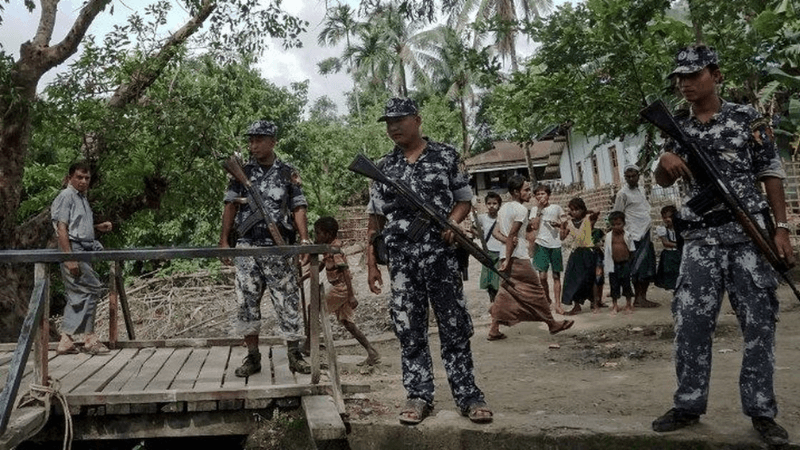
India has raised deep concerns over the escalating situation in Myanmar, particularly emphasizing the precarious humanitarian conditions and the surge in violence that has triggered an influx of thousands of individuals into the northeastern states of India. The Indian government, in a statement presented at the United Nations Human Rights Council (UNHRC), highlighted the direct implications of this influx, notably the increase in transnational crimes, such as drug trafficking and human trafficking.
The ongoing crisis in Myanmar has not only led to a humanitarian emergency but has also fueled an upswing in criminal activities in the northeastern states of India. The surge in displaced individuals has strained resources and security, fostering an environment conducive to transnational crimes. Exploiting porous borders, drug trafficking networks, and human trafficking rings have taken advantage of the vulnerable populations seeking refuge, posing significant challenges for law enforcement agencies.
India has responded to the crisis by prioritizing the maintenance of peace and stability in Myanmar, recognizing its economic development and democratic transition. The government called for an immediate cessation of violence by all parties involved, the release of political detainees, and humanitarian assistance. Emphasizing the need for constructive dialogue, India reaffirmed its commitment to Myanmar's transition towards an inclusive federal democracy.
While expressing concern, India urged the international community to collaborate pragmatically and constructively to support the people of Myanmar and facilitate a return to peace and stability. Despite the challenges posed by the crisis, India remains steadfast in its support for Myanmar. The focus is on strengthening democratic processes, implementing people-centric projects, and enhancing capacity-building initiatives, aiming to address the humanitarian and security concerns arising from the influx of displaced individuals.
BOB Post