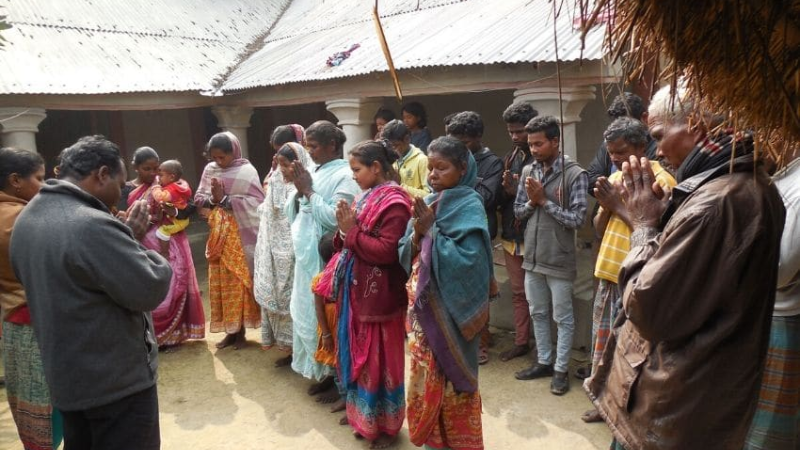
India is facing fierce criticism from human rights groups, faith communities, and refugee advocates after shocking reports emerged that its authorities deported Rohingya Christian refugees by casting them into international waters — an act survivor described as inhumane and life-threatening.
The 15 Christian refugees, among a group of 38 Rohingyas deported on May 6, were allegedly blindfolded, hand-bound, and later forced off Indian naval ships in the dead of night near Myanmar's coastline, according to family members and refugee representatives in Delhi. Nearly two months later, their relatives remain without contact or confirmation of their whereabouts.
“If someone could just tell us if they are alive or dead — this anxiety is killing us,” said Sadeq Shalom, whose brother and sister-in-law were among those deported. “They threw our people into the sea, and the world remains silent.”

Inhumane Deportation and Cruelty at Sea
After being transported to the Andaman and Nicobar Islands by aircraft, the deportees were stripped of their United Nations refugee documents, money, and personal belongings. Survivors said Indian naval personnel bound their wrists tightly enough to cause bleeding and blindfolded them. Several were physically assaulted, allegedly after being identified as Christians.
“They were accused of being terrorists — not because of anything they did, but because they were Rohingya and Christian,” said Nasir David, who last spoke to his elderly parents before they were cast into the sea. “My mother is diabetic and my father has high blood pressure. They were deported without medicine or money. We don’t know if they’re still alive.”
Anwar, a survivor, managed to make a brief phone call to his brother after swimming ashore in Myanmar. He described how those who could swim had to drag others through the water in desperation, only to discover they were back in the same country they had fled to escape genocide.

No Warning, No Rights, No Dignity
The deportations came without any official notification. Refugees were deceived under the pretext of “biometric updates” and forcibly separated from their families. Phones were confiscated, contact was severed, and in the early hours of May 9, they were abandoned in the sea with only life jackets.
“This is not deportation — it’s cruelty disguised as policy,” said Shalom. “We’re not even allowed the dignity of knowing where our loved ones are. This is a war on the vulnerable.”
Global Condemnation Mounts
Amnesty International and several human rights watchdogs have slammed India’s actions, calling them a gross violation of international human rights obligations.
“India must halt all deportations of Rohingya refugees immediately,” said Aakar Patel, chair of Amnesty International India. “These people are protected under international law and must be treated with dignity, not discarded into dangerous waters like waste.”
The United Nations has described Myanmar’s treatment of Rohingyas as ethnic cleansing, and the International Court of Justice is currently examining charges of genocide against Myanmar.
Yet, despite holding UNHCR documentation and having lived in India for over a decade, Rohingya Christians in Delhi — many of whom came in 2014 fleeing religious persecution — now live in hiding, fearing arbitrary detention and brutal deportation.
Faith Amid Despair
For Shalom, David, and others, the trauma is immeasurable, but faith remains their last refuge.
“We have lost our homes, our families, and now we live without safety,” said David, a church deacon. “But we have not lost our faith in God. We ask churches and people of goodwill to help us — speak for us, pray for us, and help us find a place where we can live without fear.”
A Plea to the Conscience of the World
While Indian authorities claim they are safeguarding national security, the narratives emerging from survivors paint a picture of systemic abuse, religious discrimination, and utter disregard for human life.
“What we witnessed is state-sponsored abandonment,” said a Delhi-based refugee advocate. “When a democratic country treats the persecuted this way, what message does it send to the world about compassion, rule of law, and justice?”
With hundreds of Rohingya Christians still at risk and their families begging for updates, the question remains: how many more must vanish before the world says enough?
BOB Post