A recent report, *“A Lifetime in Detention: Rohingya Refugees in India,”* published by US-based Refugee International in collaboration with the Azadi Project, sheds light on the plight of Rohingya refugees in India, highlighting constant discrimination and human rights violations, particularly through arbitrary and indefinite detention.
The report is based on extensive conversations with Rohingya detainees, their families, and lawyers, with some interviews conducted during field visits to detention centers. It states, “There are gross violations of constitutional and human rights,” accusing authorities of disregarding India’s detention code and international human rights commitments.
The World’s Largest Stateless Population
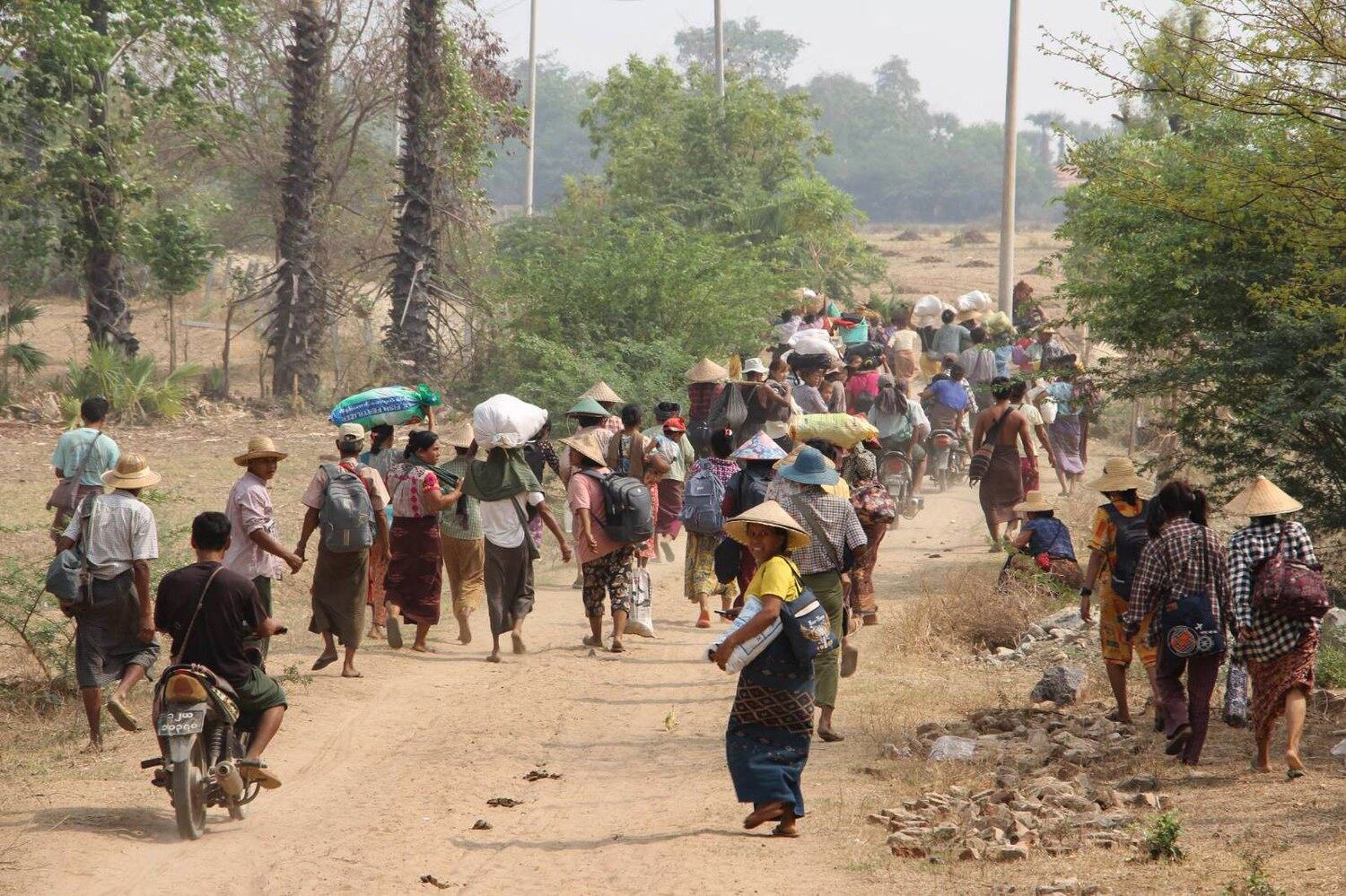
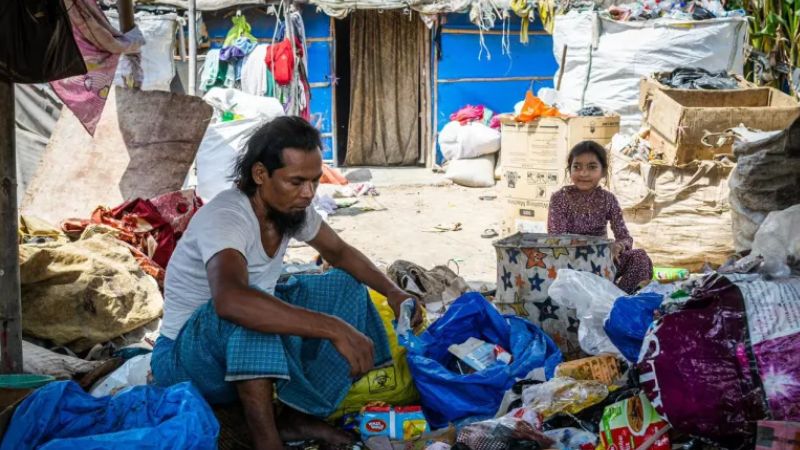
Rohingyas, often referred to as the “world’s largest stateless people,” number over 2 million globally, mostly living in camps and slums in Bangladesh and neighboring countries after fleeing Myanmar in 2017 due to state persecution. In India, 22,500 Rohingya refugees are registered with the United Nations High Commissioner for Refugees (UNHCR), though their total population in the country is believed to be significantly higher.
The report stresses the neglect of the Rohingyas’ living conditions and describes their persecution by state authorities. It highlights an urgent need to address the plight of “hundreds of Rohingyas who are arbitrarily and indefinitely detained” and warns of the broader population’s ongoing risk of detention or deportation back to Myanmar.
Grim Realities in Detention Centers
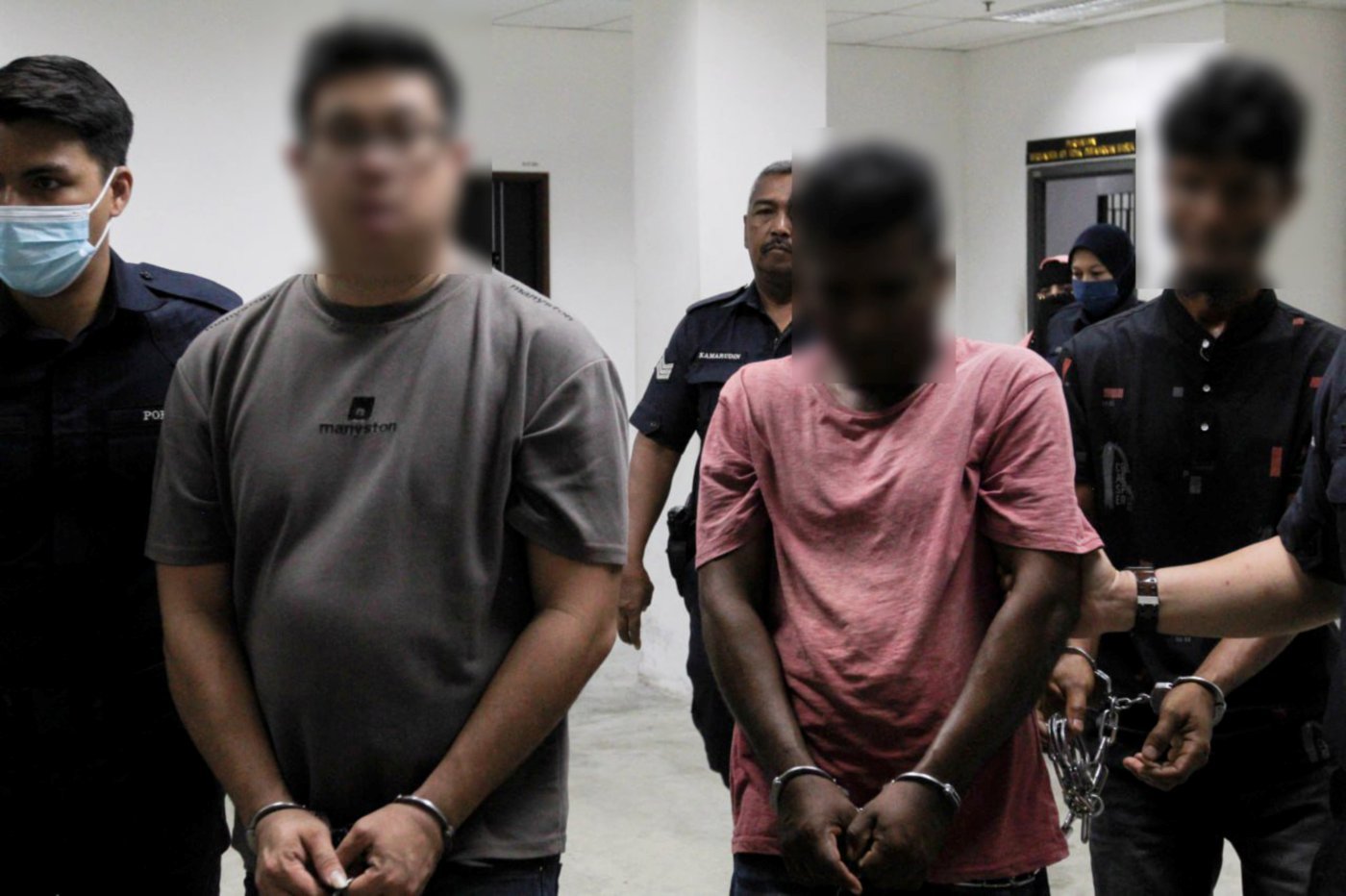
According to the report, “Most Rohingya refugees are detained even after they have served their sentences.” UNHCR data reveals that 676 Rohingya are in immigration detention across India, with 608 having no ongoing court cases or sentences pending. Some detainees, including women, children, the elderly, and the physically disabled, have been held for over a decade without criminal charges or hope of early release.
Describing detention conditions, the report notes that families are separated, spouses are denied time together, and children lack access to education or play. “Some children have spent the better part of their lives detained, with no exposure to the outside world,” it states. Many detainees face mental and physical health issues due to prolonged incarceration in unhygienic and overcrowded facilities.
There have also been reports of deaths inside detention centers, including that of an infant in July, allegedly killed when security forces fired tear gas at a group of women detainees.
Victims of Sectarian Policies
The report highlights that some detainees have petitioned India’s Supreme Court to end the practice of indefinite detention, but the government has remained unresponsive. Despite being a signatory to several human rights conventions, India is not part of the 1951 UN Refugee Convention and lacks legal protections for refugees.
The report criticizes the BJP-led central government for using sectarian considerations in refugee policies. It claims that Rohingya refugees are stigmatized and persecuted, with their presence often linked to alleged illegal immigration from Bangladesh, despite a lack of evidence. Right-wing groups frequently subject Rohingyas to hate campaigns and ethnic slurs, accusing them of being criminals and occupiers.
During elections, the BJP has used the issue of alleged illegal immigration as a central theme, including during the recent Jharkhand assembly elections and the upcoming Delhi elections.
Call for Action
“Rather than re-victimizing a population that has survived genocide, the Government of India (GOI) should take steps to provide dignified refuge, starting with immediately releasing the most vulnerable Rohingya detainees and ending the arbitrary detention of more Rohingyas,” the report concludes.
This latest documentation underscores the urgent need for India to address the rights and dignity of Rohingya refugees within its borders.
News Source : Poeples Dispatch
BOB Post