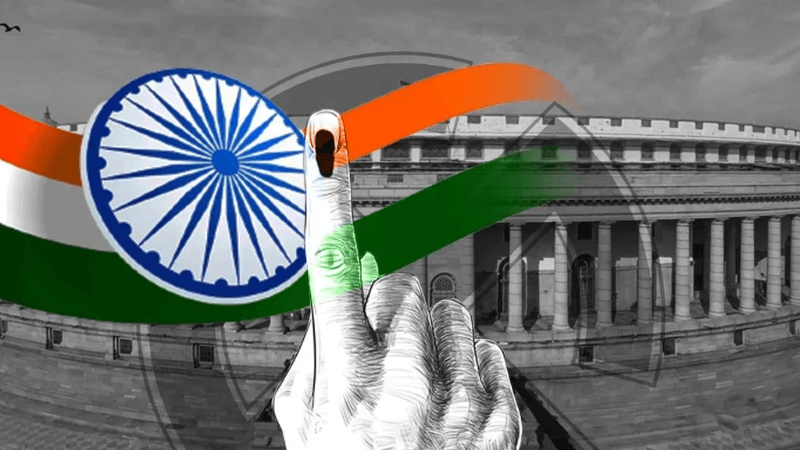
India, the world’s largest democracy, is gearing up for a historic electoral exercise as the Election Commission of India announces the commencement of the 18th Lok Sabha elections. Scheduled to unfold in seven phases, the marathon voting process will kick off on April 19, with results slated for declaration on June 4. Chief Election Commissioner Rajiv Kumar implicated the monumental scale of the endeavor, with nearly 970 million eligible voters—a figure surpassing the combined populations of the United States, the European Union, and Russia—expected to cast their ballots. Kumar emphasizes the goal of ensuring democratic participation across every corner of the nation, affirming India's role as a global exemplar of democratic principles.
The upcoming general election in India will be conducted in seven phases, each spanning a significant period to ensure widespread participation and efficient administration. The first phase is scheduled to commence on April 19, followed by subsequent phases on April 26, May 7, May 13, May 20, May 25, and concluding on June 1. This staggered approach allows for the systematic organization of polling across different regions of the country, ensuring that voters from diverse geographical and demographic backgrounds have the opportunity to exercise their democratic right. Simultaneously, it enables election authorities to manage logistics, security arrangements, and other operational aspects effectively, considering the vast scale and complexity of India's electoral landscape.
Each phase of the election will witness a significant mobilization of resources, including polling stations, election personnel, and security personnel, to facilitate a smooth and transparent voting process. Additionally, the phased approach allows political parties and candidates to focus their campaigning efforts strategically, tailoring their messages to specific regions and constituencies as the election progresses. By spreading the electoral process over several weeks, the Election Commission of India aims to ensure maximum voter turnout and uphold the integrity and fairness of the democratic process, thereby reinforcing India's commitment to free and fair elections and democratic principles.
Prime Minister Narendra Modi, vying for a third consecutive term, has set ambitious seat targets for his Bharatiya Janata Party (BJP) and the broader National Democratic Alliance (NDA). Modi aims for 370 seats for the BJP in the 543-member lower house of parliament, while aspiring for 400-plus seats for the NDA. The BJP's dominant performance in the 2019 elections, securing a record 303 seats, indicates its formidable presence in Indian politics. However, Modi faces a formidable challenge from the Indian National Developmental Inclusive Alliance (INDIA), an alliance of two dozen opposition parties led by the Indian National Congress.
As Modi intensifies his campaign efforts, crisscrossing the nation and engaging in a flurry of activities, including inaugurating new projects, making announcements, participating in religious events, and addressing public and private gatherings, the political landscape remains dynamic and fiercely contested. The INDIA alliance, although formed with the aim of presenting a united front against the BJP, has grappled with internal divisions, posing challenges to its cohesion and effectiveness in the electoral arena.
A victory for Modi would elevate him to an exclusive league alongside Jawaharlal Nehru, India’s independence hero and its first prime minister, as the only leader to secure a third consecutive term. However, the electoral outcome remains uncertain, with the electorate poised to deliver its verdict on the direction of the nation's future trajectory. As India braces for this monumental democratic event, all eyes are on the ballot boxes, with the results poised to shape the nation’s political landscape and reaffirm its commitment to democratic values and participation.
BOB Post