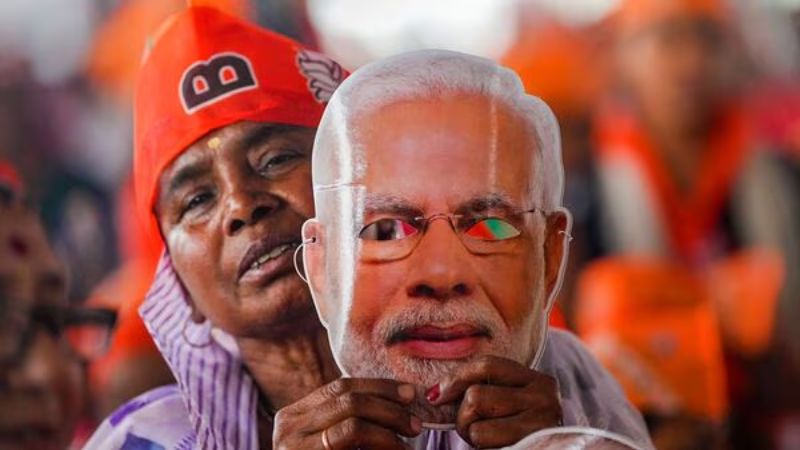
The diplomatic landscape surrounding India's relationships with its neighboring countries is intricately tied to the upcoming general elections in India, an event recognized globally as the world's largest democratic exercise. As opposition parties strategically capitalize on perceived weaknesses and diplomatic shortcomings of the ruling Bharatiya Janata Party (BJP) government, the region witnesses a dynamic interplay of political maneuvering and strategic interests.
The United Nations Asia-Pacific Human Development Report emerges as a pivotal document highlighting India's pronounced income and wealth disparities, injecting a contentious flavor into the political milieu ahead of the impending general elections. Against this backdrop, the Indian Congress launches a robust critique of the ruling Bharatiya Janata Party (BJP), decrying what it deems 'tax terrorism' in response to an Income Tax notice demanding a staggering ₹1,823.08 crore (Tk2,396 crore) in arrears spanning Fiscal Year (FY) 94 through FY20. This vocal accusation gains momentum mere weeks before the elections, with the Congress vehemently denouncing what it perceives as undue governmental pressure. Despite enduring a volley of tax notices, including a recent demand of ₹135 crore, the Congress stands firm, pledging unwavering defiance against attempts to financially debilitate the party, vowing to contest the polls with unyielding vigor.
As the electoral fever mounts, neighboring nations keenly observe the political landscape, poised to discern any seismic shifts in leadership. The electoral outcome holds significant implications for regional dynamics, as changes in government historically herald shifts in foreign policy paradigms and strategic posturing. Opposition factions waste no time in spotlighting perceived foreign policy fumbles of the BJP, particularly emphasizing contentious issues such as the Nepal boundary dispute and strained relations with Maldives. Thus, the diplomatic tightrope India navigates with its neighbors becomes intricately intertwined with domestic political exigencies, shaping the discourse enveloping the impending elections.
India's diplomatic engagements with its neighbors are also significantly influenced by broader geopolitical dynamics, particularly the burgeoning rivalry between India and China for regional dominance. As China extends its influence across South Asia through initiatives such as the Belt and Road Initiative (BRI), India faces mounting pressure to fortify its own regional alliances to counterbalance Chinese influence.
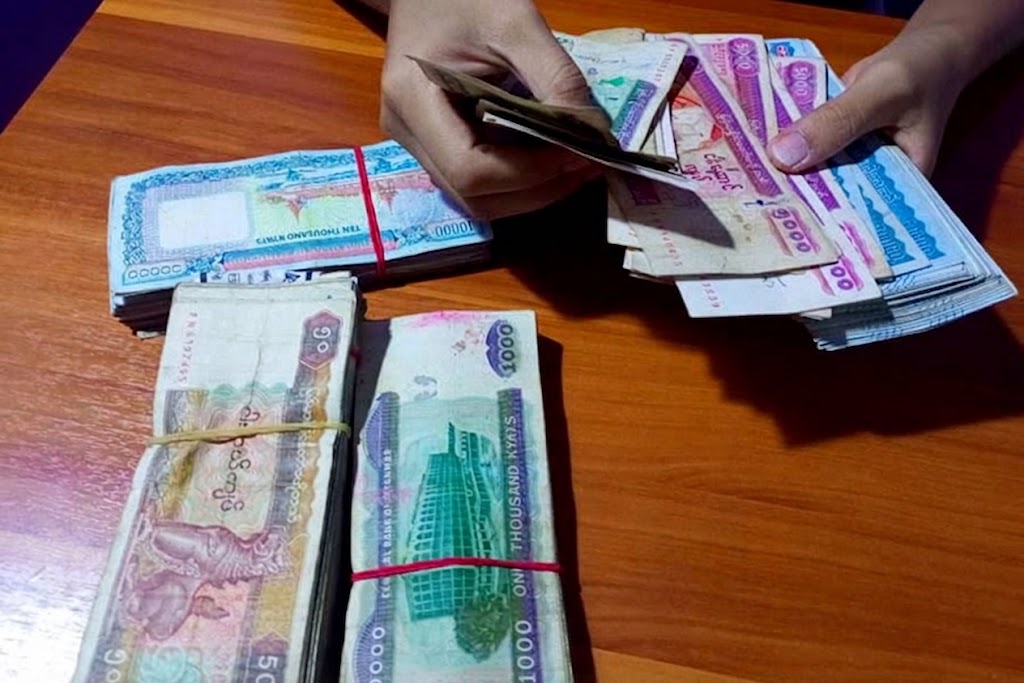
In a separate diplomatic turn, India's decision to annul the Free Movement Regime (FMR) with Myanmar resonates across the diplomatic spectrum, carrying substantial implications for its rapport with its eastern neighbor. Against the backdrop of Myanmar's tumultuous military coup and subsequent plunge into military rule, India's stance on the unfolding crisis undergoes intense scrutiny. Historically bound by close ties, the military takeover casts a shadow of uncertainty over India's diplomatic entanglements.
The annulment of the FMR indicates India's cautious tread amidst Myanmar's quagmire. While acknowledging historical bonds, concerns over human rights violations and the legitimacy of the military junta prompt a reevaluation of bilateral agreements and policy frameworks. This decision, coupled with plans to fortify border defenses, reflects India's unwavering commitment to internal security and demographic sanctity, particularly in its northeastern frontier sharing porous borders with Myanmar.
Yet, the decision's ripples are not contained within India's borders alone. Myanmar stands to bear the brunt of India's border-fortification measures, with the revocation of the FMR threatening to sever cultural exchanges, trade links, and interpersonal ties along the border. Furthermore, the looming specter of border fencing portends economic upheaval, potentially fracturing traditional livelihoods reliant on cross-border interactions. This perceived militarization of the border casts a pall over bilateral relations, potentially straining ties and impeding regional cooperation efforts.
Meanwhile, in the Nepal-India relations, tensions simmer as the seventh edition of the joint commission meeting in Kathmandu fails to assuage underlying grievances. Despite attempts at constructive dialogue, friction persists, fueled by Nepal's insistence on broaching thorny issues like the Eminent Persons' Group report and the enduring boundary dispute. Foreign Minister NP Saud's impassioned reaffirmation of Nepal's commitment to addressing these festering wounds stresses the gravity of the impasse, emphasizing the imperative of dialogue to heal historical scars.
Relations with Maldives hitting choppy waters. Derogatory salvos from a Maldivian deputy minister directed at Indian Premier Modi's visit, coupled with calls for the withdrawal of Indian troops, exacerbate strains, triggering a reevaluation of bilateral engagement. Meanwhile, the burgeoning romance between China and Maldives adds a layer of complexity, with China emerging as a formidable player in Maldivian politics, further eroding India's influence.
Bangladesh-India relations, with allegations of Indian interference igniting a firestorm of anti-India sentiment. Accusations of meddling in Bangladesh's electoral affairs strike a chord among the populace, galvanizing calls for a boycott of Indian goods. The digital arena emerges as a battleground, with social media serving as a rallying point for dissenting voices, amplifying calls for economic retribution against perceived Indian overreach.
Meanwhile, the age-old saga of India-Pakistan tensions continues to haunt South Asian geopolitics, with the specter of Jammu and Kashmir casting a long shadow. Despite sporadic attempts at détente, the road to peace remains strewn with political landmines, perpetually eluding meaningful resolution. The threat of escalation looms large, casting a pall over regional stability and security.
The relationship between India and China remains a perennial flashpoint, with territorial disputes and strategic jostling keeping tensions at a simmer. India's resolute assertion of sovereignty over Arunachal Pradesh sends a clear message amidst China's persistent claims, implying India's unwavering commitment to territorial integrity. Yet, as China flexes its muscles with territorial nomenclature tweaks, the uneasy dance of geopolitical brinkmanship persists, highlighting the enduring rift between the Asian giants.
Against this kaleidoscope of diplomatic intricacies, India's regional maneuvering assumes center stage as the nation braces for the Elections. The outcome of these elections holds the key to India's foreign policy trajectory, shaping the contours of South Asian geopolitics for years to come.
BOB Post