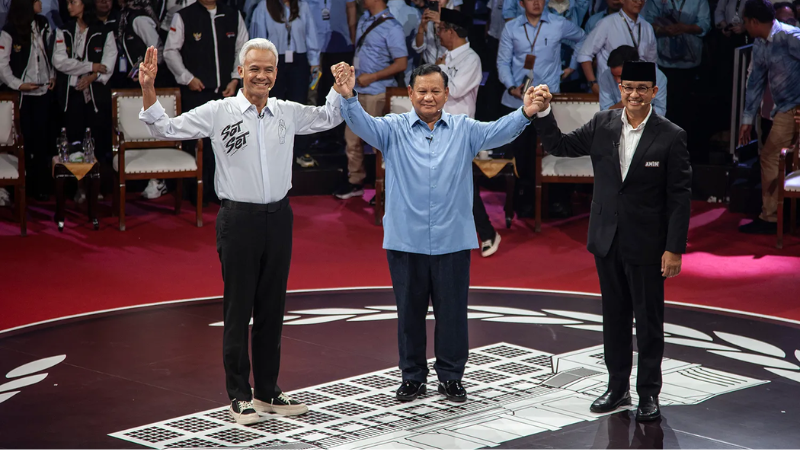
Indonesia approaches its highly anticipated 2024 presidential election, a striking absence becomes evident in the political landscape – the lack of major female candidates vying for the nation's top leadership. This gender gap raises concerns about the limited representation of women in Indonesian politics and the missed opportunities for diverse and inclusive leadership. The current frontrunners in the presidential race are all well-established male figures from the political elite. Ganjar Pranowo, Prabowo Subianto, and Anies Baswedan represent various political spectrums but do not provide the alternative perspective and priorities that a female candidate could bring to the table.
Indonesia's history of female political leadership is sparse, with Megawati Sukarnoputri being the only woman to have held the presidency. Cultural factors, including traditional gender norms that confine women to domestic roles, contribute to the challenges female candidates face in gaining traction and overcoming ingrained biases. The absence of female candidates in the 2024 race has multifaceted implications. Women, constituting over half of Indonesia's population, find their voices largely excluded from the national political discourse. This lack of representation hinders the formulation of policies addressing women's specific needs and concerns.
Women's rights groups and activists are expressing their concerns about this gender gap, advocating for more support for female candidates. They call for political parties and civil society organizations to provide training, mentorship, and financial resources to empower women to run for office. Additionally, introducing temporary quotas or affirmative action measures could increase female presence in politics. The absence of strong female contenders in the current race not only limits diverse representation but also leads to missed opportunities for fresh perspectives on crucial issues. This lack of diversity can discourage aspiring young women, perpetuating the underrepresentation of women in Indonesian politics.
BOB Post