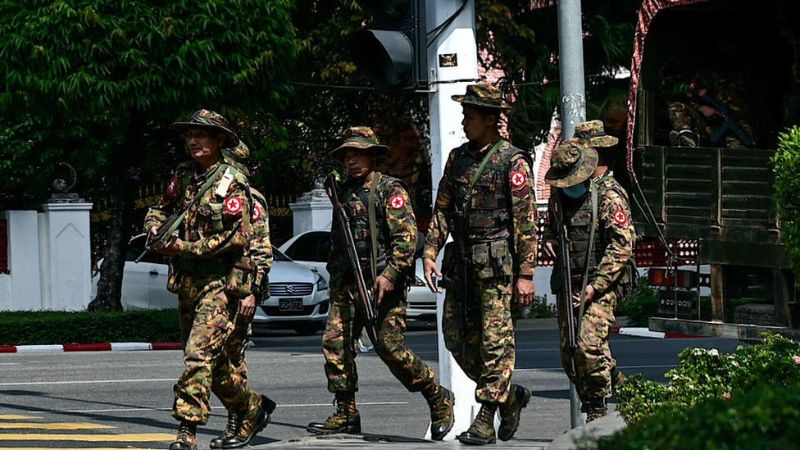
The imposition of mandatory conscription by Myanmar’s military regime, announced on February 10, has triggered widespread fear and uncertainty among the country’s youth, who now face the prospect of being forced into armed service for a minimum of two years under the People’s Military Service Law passed in 2010.
In Mon State, Kayin (Karen) State, and Tanintharyi region, particularly, anxiety is rampant as young men and women scramble to evade enlistment by seeking opportunities abroad. The Human Rights Foundation of Monland (HURFOM) has documented troubling tactics employed by the junta to coerce conscripts, including false promises of financial support and deceptive recruitment strategies.
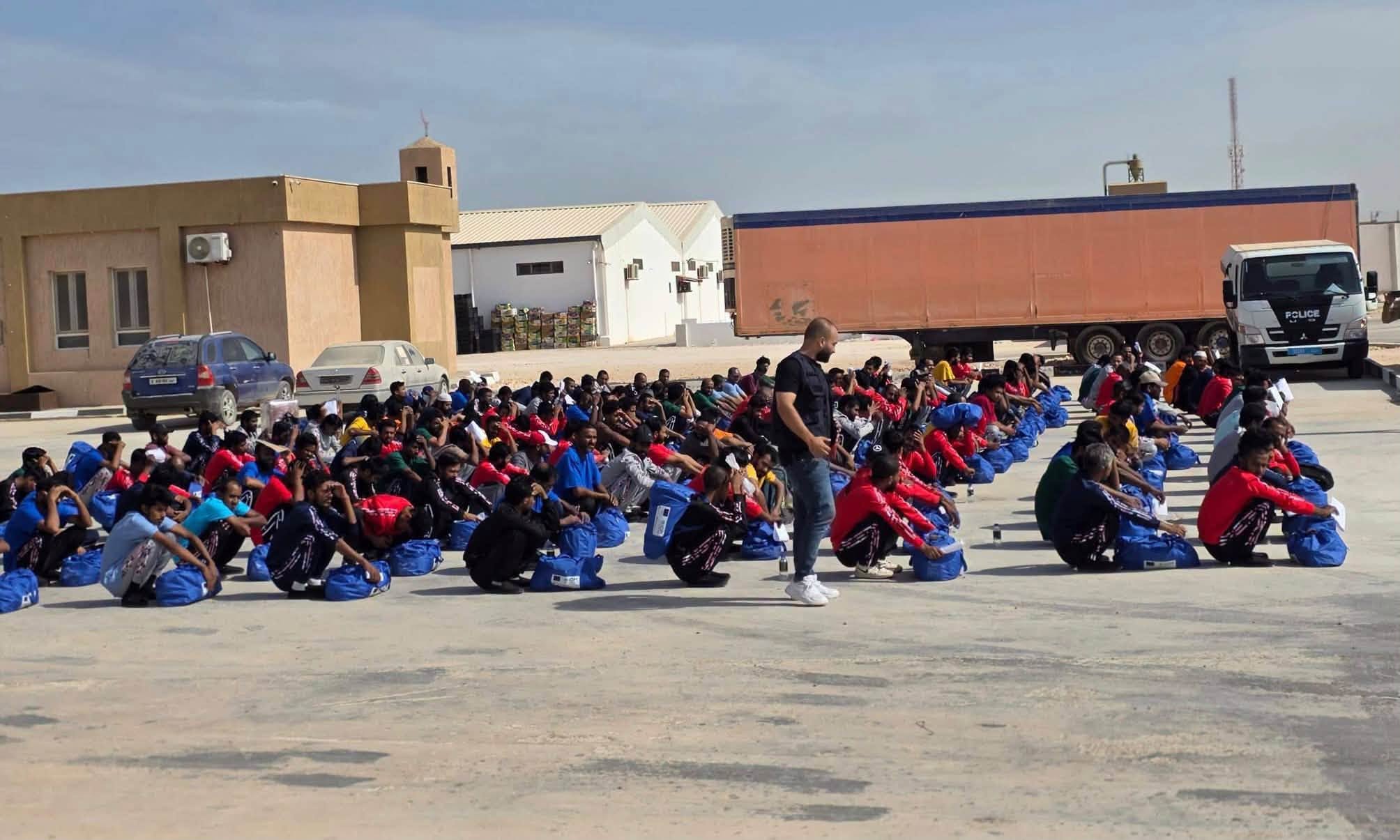
HURFOM’s recent briefing paper, titled “Forced to Fight,” reveals that over 600 young people are undergoing forced military training, with authorities initiating registration for a second batch of conscripts. The junta claims voluntary recruitment rates as high as 60%, but HURFOM contends that less than 5% volunteer, casting doubt on the regime’s assertions.
The consequences of conscription extend beyond militarization, exacerbating labor shortages as youth flee the country or join revolutionary forces. Children as young as 12 are being exploited in the workforce, with documented cases of child labor violations in various sectors, including tea shops and rubber factories.
Amidst this turmoil, resistance within Mon State has been resolute, with pro-democracy forces vocally opposing the junta’s directives. The National Unity Consultative Council, the National Unity Government, and revolutionary armies have united against forced recruitment, prompting resignations among village-level administrators fearful of reprisals.
Despite these challenges, the junta persists in its recruitment drive, sending over 5,000 recruits for training in military schools. The international community is urged to intervene to halt these dangerous practices and safeguard the rights of Myanmar’s youth.
Calls for increased monitoring, support for civil society organizations, and humanitarian aid underscore the urgency of the situation. Engagement with local administrators and ethnic revolution organizations is paramount in mounting an effective response to forced conscription and its repercussions.
Without prompt and urgent action, the dire circumstances affecting young people in Myanmar is only going to get worse, resulting in continued instability and violations of human rights in areas affected by war. To confront the issue and provide a better future for Myanmar's future generation, global unity and coordinated actions are essential.
BOB Post