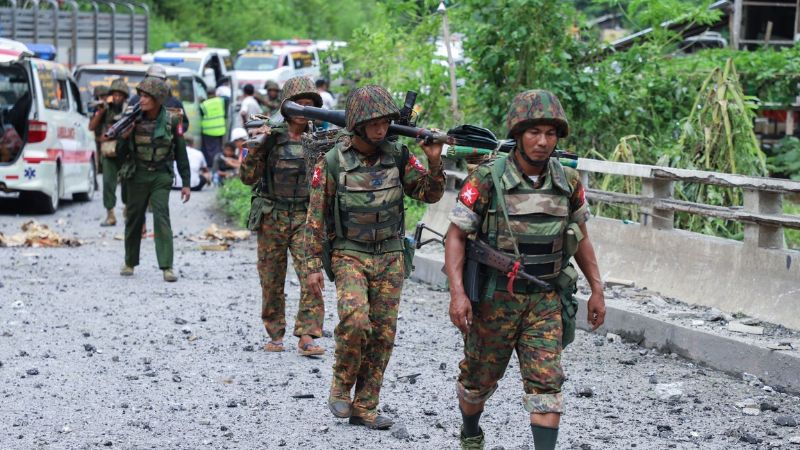
The devastating earthquake that struck Myanmar on March 28 has quickly become more than a natural disaster. According to reports from human rights groups and local observers, the country’s military junta is exploiting the chaos to intensify its crackdown on opposition forces, raising alarm ahead of the 46th ASEAN Summit scheduled for next month.
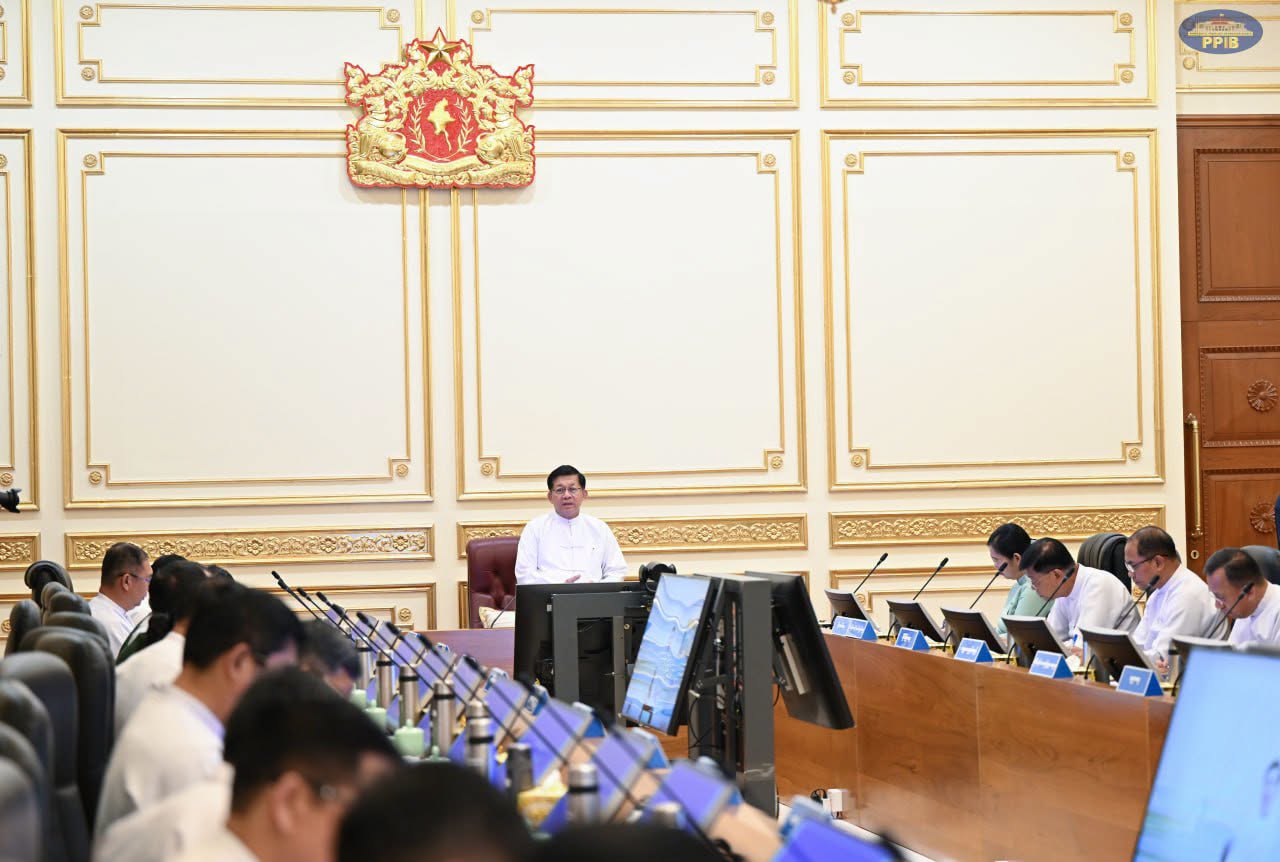
Rather than focusing on relief efforts, the junta has reportedly escalated attacks on resistance-held areas, using the disaster as cover to bomb opposition strongholds and obstruct humanitarian assistance. The development marks a grim continuation of the regime’s repressive rule, which began after the military overthrew Aung San Suu Kyi’s democratically elected government in 2021.
Now, with the ASEAN Summit looming, attention turns to the bloc’s ability—and willingness—to take decisive action. Malaysia, currently chairing the regional body, is under increasing pressure to chart a more assertive course, though concerns remain over its direction.
Prime Minister Anwar Ibrahim has named Cambodia’s former leader Hun Sen and Thailand’s ex-Prime Minister Thaksin Shinawatra as key advisors, a move drawing criticism from activists and analysts alike. Both figures are associated with authoritarian governance, raising fears that democratic principles could take a backseat in ASEAN’s approach to Myanmar.
The junta’s manipulation of the post-earthquake situation is the latest in a series of power plays. Since cancelling election results in 2021, Myanmar’s military regime has faced resistance from ethnic armed groups and newly formed People’s Defense Forces (PDFs), losing significant territory in the process. The earthquake has now presented an opportunity to reverse these losses under the guise of disaster response.
Observers warn that this may be used to further delay promised elections, now pushed to late 2025 or early 2026, and tighten the junta’s grip on power.
ASEAN has thus far failed to enforce its own Five-Point Consensus, a policy aimed at ending violence, promoting dialogue, and ensuring humanitarian access. The junta has repeatedly flouted these principles without consequence, fueling skepticism about the bloc’s commitment to peace and stability in the region.
Cambodia’s 2022 chairmanship marked a low point, with Hun Sen’s decision to engage directly with Myanmar’s junta leader Min Aung Hlaing drawing condemnation and exposing internal divisions within ASEAN. His inclusion now as an advisor to Malaysia only deepens concerns over the bloc’s democratic integrity.
Similarly, Thaksin Shinawatra’s political legacy in Thailand, marked by allegations of corruption and authoritarian tendencies, adds to fears that ASEAN is leaning on figures with little credibility in championing democratic reforms.
Human rights advocates argue that ASEAN must break from past patterns and embrace a firmer stance. That includes enforcing the Five-Point Consensus with sanctions and ensuring humanitarian aid reaches all affected areas, including those under opposition control—potentially through independent organizations that bypass the junta.
As the humanitarian crisis worsens, the upcoming summit is seen as a pivotal test for ASEAN. The bloc’s response will not only affect the future of Myanmar but also its own credibility and influence in Southeast Asia.
With the people of Myanmar continuing to endure immense hardship, there is a growing call for ASEAN to act boldly and prioritize the aspirations of a nation that has long yearned for democracy, justice, and peace.
BOB Post