In the wake of a catastrophic flood exacerbated by Typhoon Yagi, Myanmar's junta leader Min Aung Hlaing has issued a desperate plea for international aid. This appeal, however, comes against a backdrop of his regime’s long-standing mismanagement and the looting of disaster relief funds.
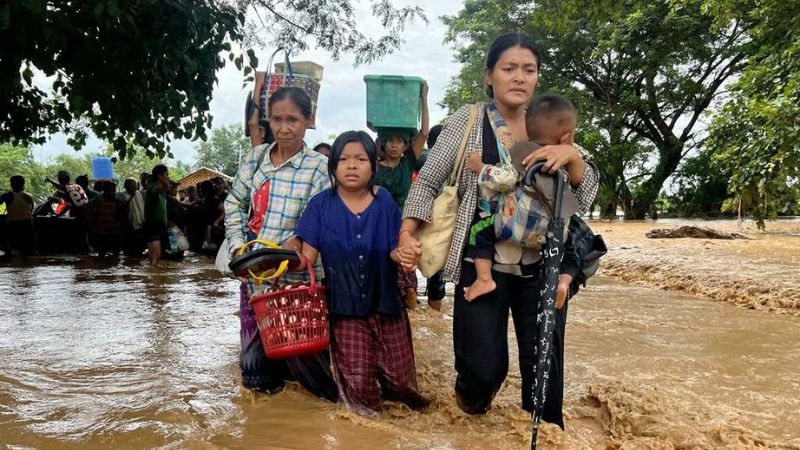
Last week, torrential rains from Typhoon Yagi unleashed severe flooding across Myanmar, claiming over 400 lives in the region, including Myanmar, Vietnam, Laos, and Thailand. In Myanmar alone, the junta reports 113 dead and 64 missing, with more than 300,000 displaced. Yet, the true toll is feared to be significantly higher.
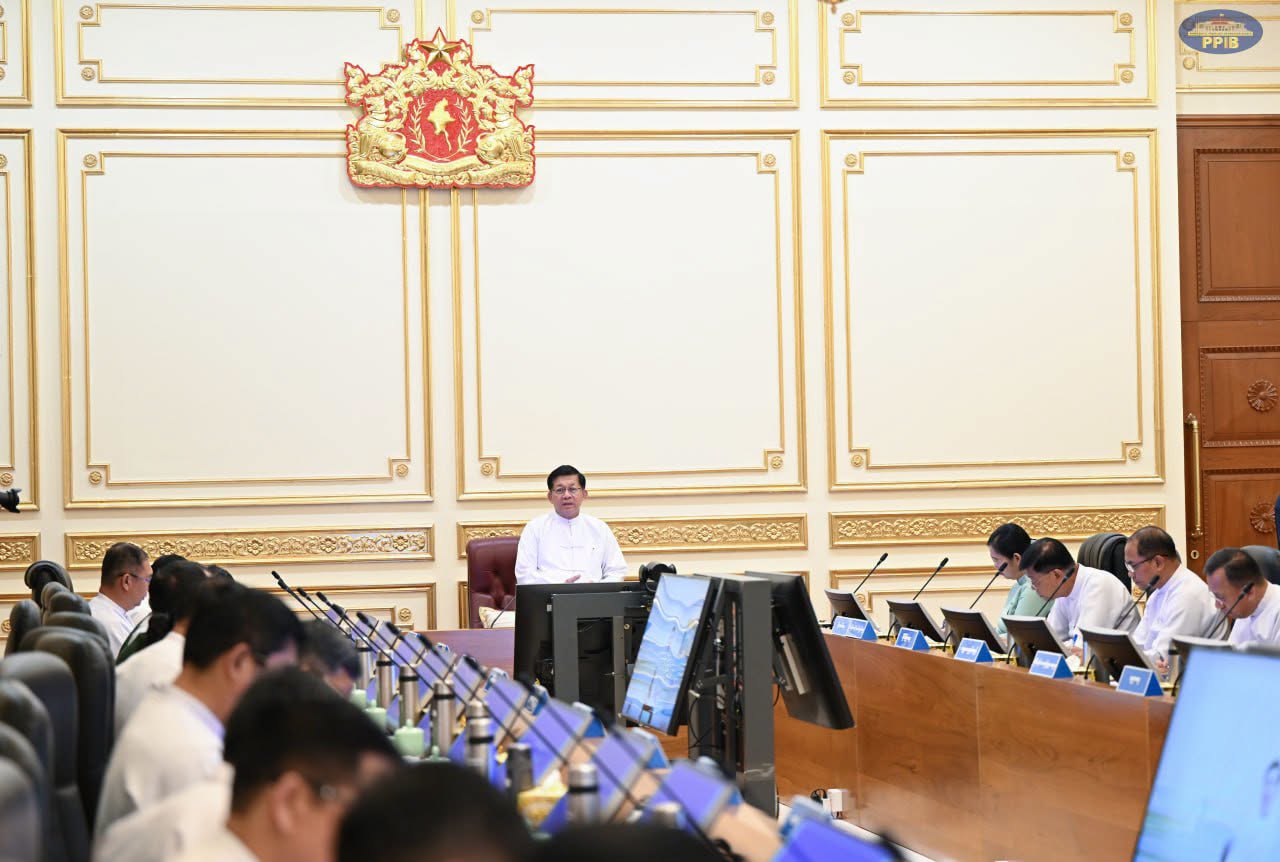
Clad in an immaculate military uniform, Min Aung Hlaing toured the flood-stricken areas of Naypyitaw on Friday, urging his officials to seek international help. "We need to contact foreign countries to receive rescue and relief aid for the victims," he said. His request for external assistance comes amid accusations of widespread corruption and neglect of disaster management funds under his regime.
The regime’s credibility is marred by its history of blocking aid. Previously, it suspended travel authorizations for aid groups following Cyclone Mocha’s devastation in Rakhine State, an action the United Nations condemned as "unfathomable." Now, with flood relief efforts hampered, junta officials are reported to be obstructing community-donated aid. Lifeboats intended for rescue operations have been seized at checkpoints, and charity workers report similar obstructions.
The junta’s track record in handling disaster relief is abysmal. When Cyclone Nargis struck in 2008, the then-military regime’s failure to issue early warnings and block international aid led to over 130,000 deaths. This historical negligence underscores the junta’s current failings.
The disaster’s impact is worsened by the junta’s decision to redirect funds. Following the February 2021 coup, Min Aung Hlaing's regime siphoned 370 billion kyats from the state disaster relief fund, reallocating it for agricultural and development projects. The remaining 70 billion kyats were lent to businesses, leaving the disaster fund nearly depleted when the recent floods struck.
"We can't predict disasters, so we must prepare for them," a former official from the Social Welfare, Relief, and Resettlement Ministry explained. "We had set up funds precisely for this reason." Yet, with the coffers emptied, Myanmar faces a dire situation with insufficient food, shelter, and medical supplies for flood victims.
The junta’s response to the crisis has been marked by hypocrisy. While Min Aung Hlaing poses for photos in pristine uniforms and issues calls for aid, his regime's failure to mobilize resources effectively remains glaringly evident. In stark contrast, the previous National League for Democracy (NLD) government, despite facing challenges, demonstrated a more proactive approach to disaster management. The NLD even acquired a helicopter for rescue operations, a tool now conspicuously absent in the current regime’s response.
The junta’s exploitation of disaster relief efforts for propaganda and personal gain highlights a pattern of neglect and corruption.
BOB Post