Authorities in India’s northeastern state of Mizoram have moved to curb the illegal cross-border trade of petroleum products into Myanmar, citing risks to domestic fuel availability and the welfare of local communities.
In a directive issued on March 20, Siaha District Administrator VL Hruaizela Khiangte ordered a ban on unauthorized fuel exports after reports emerged of bulk purchases from local filling stations being diverted across the border for resale at higher prices. Officials say the practice has begun to strain supplies in southern districts bordering Myanmar.
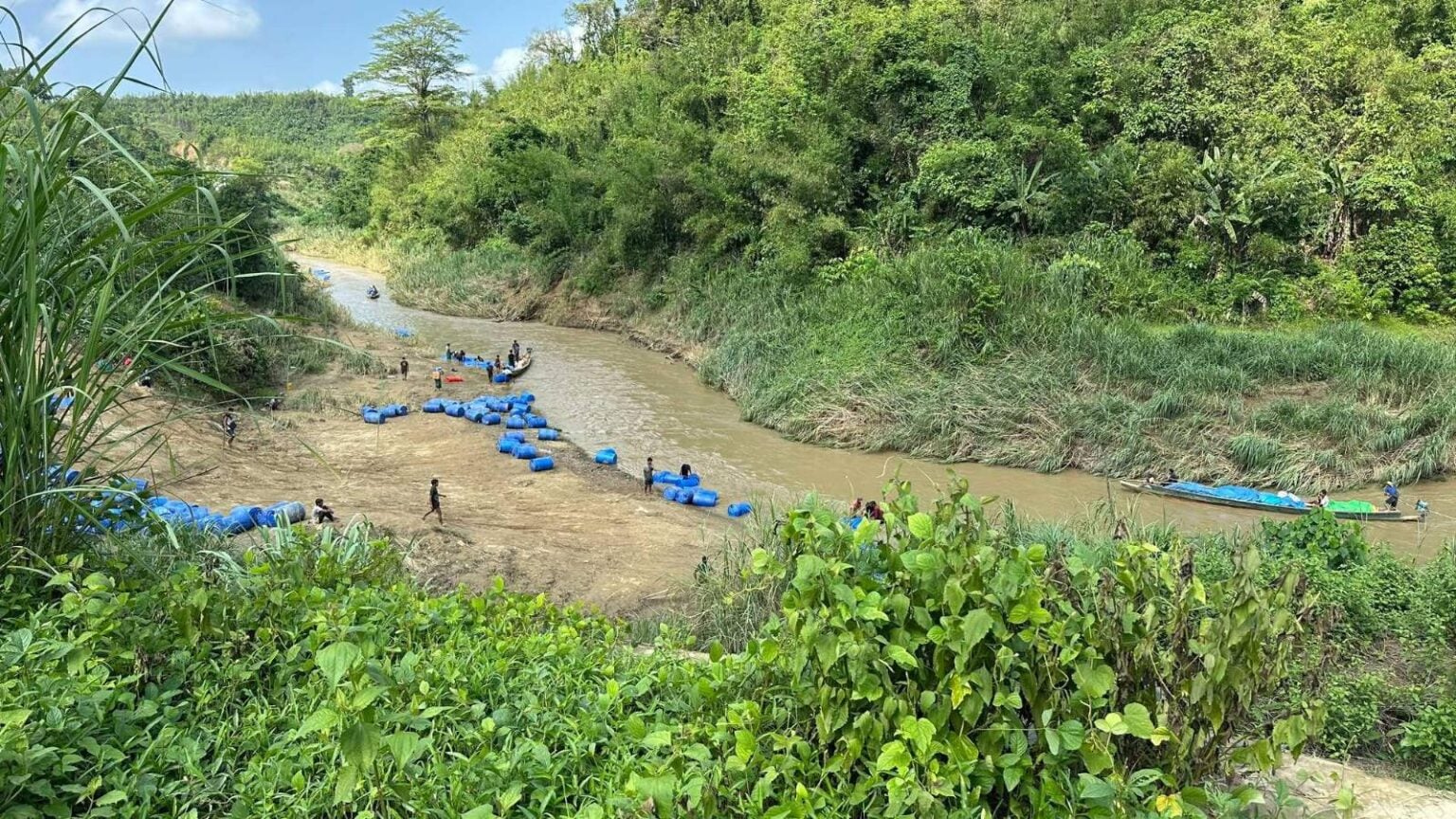
Despite the order, cross-border fuel flows have not completely stopped. Traders familiar with the situation say informal arrangements and long-standing community networks continue to facilitate limited movement of fuel into Myanmar. “The official restriction has created uncertainty, but trade hasn’t entirely ceased,” one exporter said, speaking on condition of anonymity.
The region’s fuel distribution network remains limited, with only a small number of stations some government-operated serving the districts of Siaha, Lawngtlai and Lunglei. Authorities suspect that some private operators may have contributed to the surge in unauthorized exports in pursuit of profit.

Under the new rules, petrol stations are prohibited from selling fuel above government-fixed prices and must cap individual purchases at 500 litres of petrol and 1,000 litres of diesel. Any transaction exceeding these limits requires a valid storage licence. Violations could trigger penalties under Section 223 of the Bharatiya Nyaya Sanhita, 2023, including imprisonment and fines.
According to Mizzima, border communities in Myanmar’s Chin and Rakhine states remain heavily dependent on supplies from India, particularly fuel, food and essential medicines. The report notes that disruptions to these informal supply chains could worsen shortages in conflict-affected areas already facing fragile access to basic goods.
Analysts link the tightening controls to wider market pressures, as global energy volatility partly driven by instability in the Middle East has pushed up fuel prices and encouraged black-market activity. For communities along the India-Myanmar border, the restrictions underscore a delicate balance between enforcing domestic supply security and sustaining cross-border lifelines in times of crisis.
BOB Post