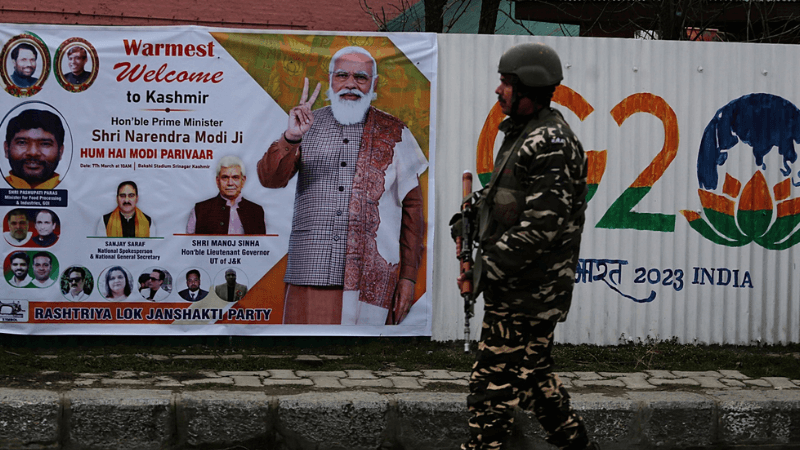
Indian Prime Minister Narendra Modi is set to embark on a significant visit to the Kashmir Valley, marking his first official appearance in the region since the revocation of its semi-autonomy in 2019. The visit holds immense political and symbolic weight, especially as India gears up for national elections scheduled by May.
In August 2019, Modi's government took a decisive step by scrapping Article 370, which granted special constitutional status to the Muslim-majority territory of Jammu and Kashmir. This move effectively ended the region's semi-autonomous status, annulled its separate constitution, and divided it into two federal territories: Ladakh and Jammu-Kashmir. Additionally, inherited protections related to land and jobs were removed.
Modi's previous visits to Kashmir post-2019 were centered around the Hindu-dominated city of Jammu. However, this time, he is venturing into the heartland of the rebellion against Indian rule—the Kashmir Valley. Thousands of armed paramilitary troops and police, clad in flak jackets, have been deployed across the region to maintain vigilance during the visit.
The visit to Srinagar, the main city of Indian-administered Kashmir, holds immense significance. Modi's presence in Srinagar reaffirms India's direct control over the region, signaling a departure from its previous semi-autonomous status. The timing of the visit, just weeks before the announcement of India's general election dates, upholds the political stakes. The Kashmir issue remains a sensitive and contentious topic, with many residents favoring independence or a merger with Pakistan.
The heavy security presence reflects the ongoing tensions in the valley. Authorities are keenly aware of the potential for unrest and are taking precautions to ensure a peaceful visit. Modi is scheduled to address a public rally in Srinagar during his visit. The rally serves as a platform for him to communicate directly with the people of Kashmir and convey the government's stance on the region's future.
Prime Minister Narendra Modi announced on social media that various development projects, including those aimed at boosting the agro-economy and tourism, will be dedicated to the nation. The government stated that Modi will inaugurate infrastructure around the revered Muslim shrine of Hazratbal during the visit. Seen as part of Modi's election campaign for the upcoming national elections in April and May, this marks the region's first poll since losing its autonomy in 2019. While Modi's government touts peace and development under direct rule from New Delhi, critics argue it has led to a significant curtailment of civil liberties and press freedom. The visit has prompted the closure of schools in the city, and government employees have been urged to attend the rally, drawing criticism from former chief ministers Omar Abdullah and Mehbooba Mufti, who allege coercion in mobilizing crowds for the event.
BOB Post