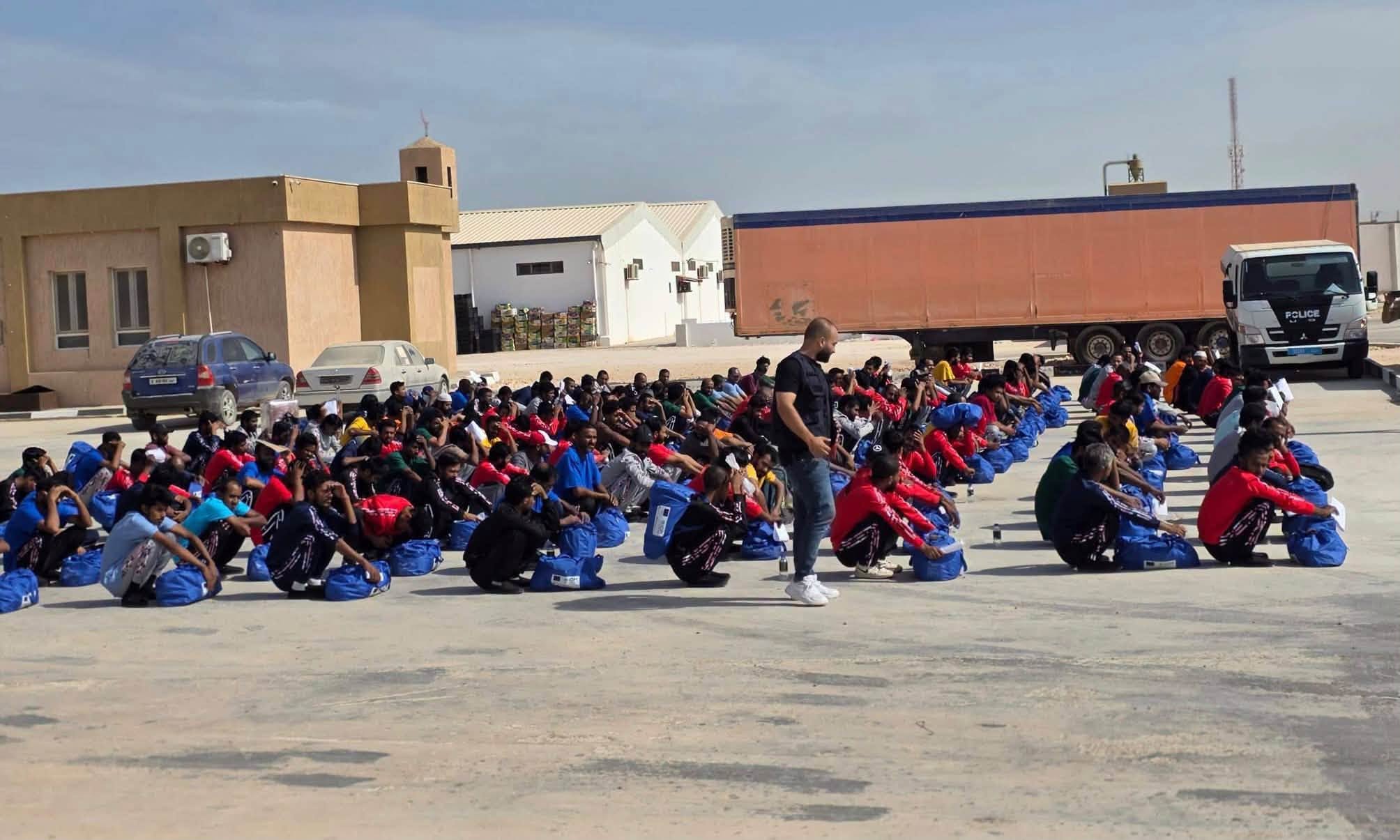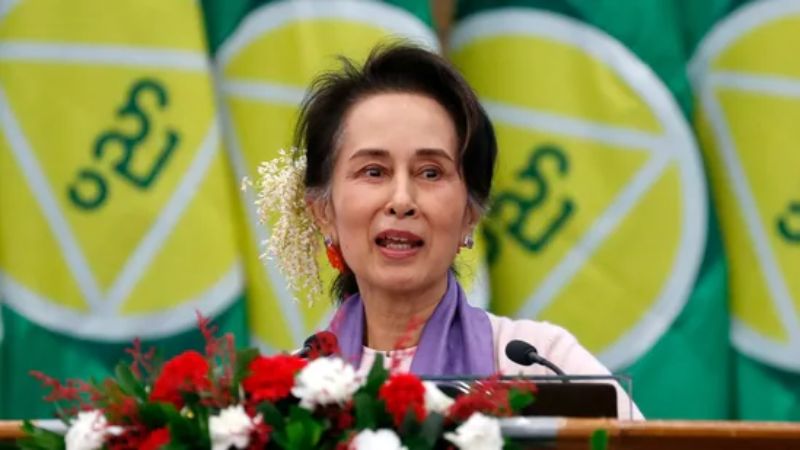
Myanmar's decision to place Daw Aung San Suu Kyi under house arrest due to extreme weather conditions added to the uncertainty in an already volatile situation. The Tatmadaw's losses against rebel factions have revealed the junta's vulnerability, raising concerns for regional stability and countries like India, China, and Thailand. Armed clashes between the military and resistance forces have been escalating, leading to a mass exodus of refugees to nearby nations.
This crisis demands urgent attention from both regional and global actors to address it. Myanmar's political landscape has fragmented, with the NUG seeking to restore democratic governance amidst ethnic armed groups pushing for autonomy. Economically, Myanmar faces dire consequences, with global sanctions and currency devaluation exacerbating poverty and the collapse of essential services. COVID-19 pandemic further strained an already fragile healthcare system, worsening the humanitarian crisis. The military regime's barriers impede relief efforts in spite of international efforts, worsening the misery of the impacted populace.
To properly handle this situation, a concerted global effort must be made. The international community is split on how it will react to the junta; while regional groups like ASEAN are criticized for their perspective, Western nations continue to carry out sanctions. China and Russia have vetoed authority at the UN Security Council, supporting the junta and impeding further international engagement.
Thailand is grappling with managing a large number of refugees from Myanmar, leading to logistical and political obstacles. China on the other hand has conducted military drills along its border with Myanmar to deter more refugees from entering. This reflects China's strategic concerns and relationship with Myanmar's military. Mizoram, with an open border with Myanmar, has also been impacted, despite India officially closing its borders. Local groups and officials in Mizoram are reportedly offering informal aid to refugees.
Even though China and Myanmar have diplomatic connections, China has come under criticism for continuing to back the junta. In November 2023, Deputy Prime Minister U Than Swe and Beijing's assistant foreign minister, Nong Rong, visited Myanmar. China's diplomatic attempts have been met with mistrust by the NUG, which claims that China is supporting the junta's actions and weakening democratic ideals. Furthermore, the NUG has demanded that China stop providing the military regime with weapons, claiming that these weapons are being used against civilian people.
According to reports, the Myanmar junta's main military suppliers are China and Russia. China has given more than $400 million worth of weapons and ammo since the coup in 2021, while Russia has traded $260 million worth of weapons with the regime. According to a study by the United Nations, the junta purchased weapons worth at least $1 billion after the coup, with major donations coming from Russia, China, and Singapore.
Despite being excluded from ASEAN, the junta in Myanmar maintains ties with China and Russia. The NUG has urged ASEAN to band together against the military rule and to cease negotiations with Naypyidaw. In order to bring peace to the region affected by the crisis, Myanmar needs to address a number of issues through international coordination, inclusive discourse, and access to humanitarian supplies.
BOB Post