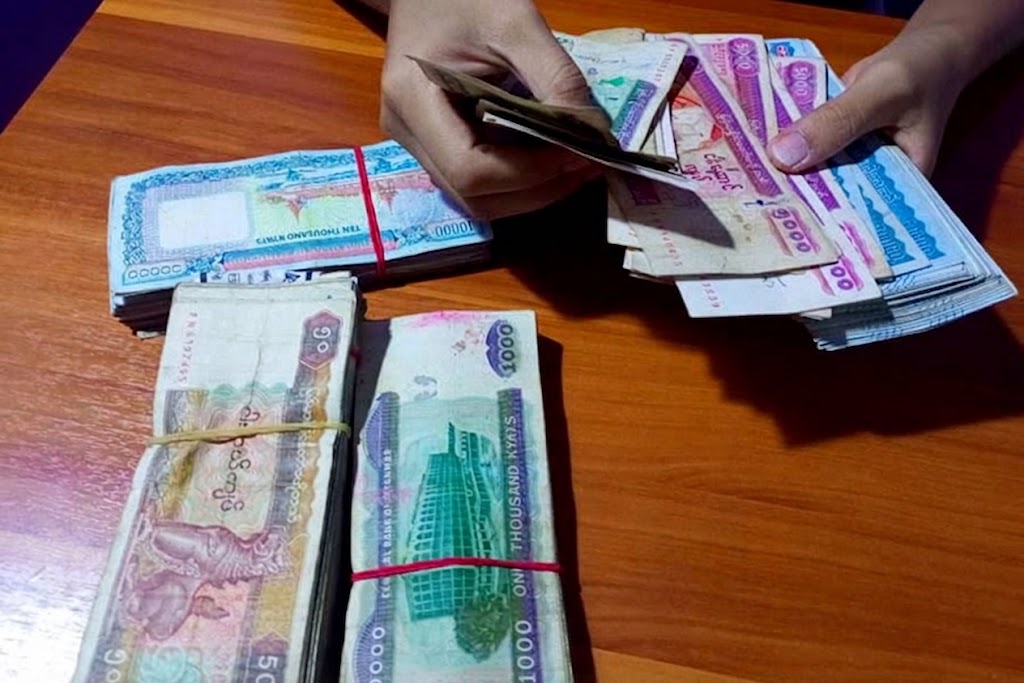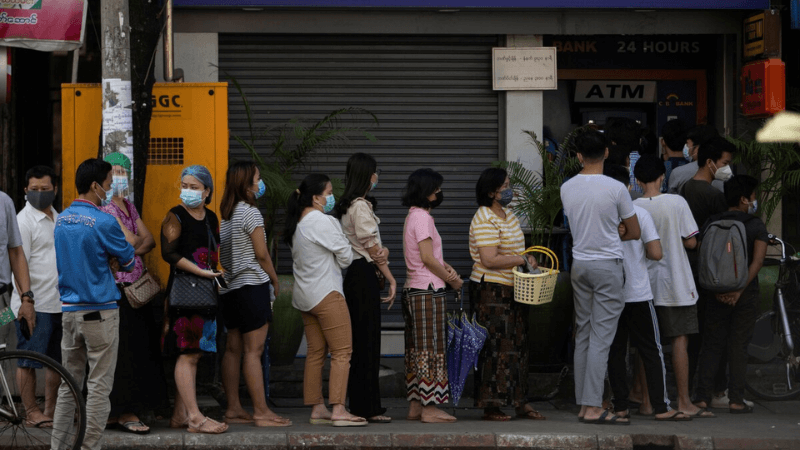
Myanmar's economy reels post-coup, with nearly half the population thrust into poverty, marking an eighth consecutive year of decline. The 2021 military coup has left scars, resulting in a meager 2 to 3 percent growth in 2023, failing to recover from the junta-induced double-digit economic contraction. Factors hindering a robust recovery include weak consumer demand, currency controls, international sanctions, and escalating conflict. The garment industry offers a glimmer of hope, but it comes at the cost of exploited workers and unsustainable practices. International sanctions, asset freezes, and banking restrictions contribute to economic woes, with tax revenues falling and gas exports declining. Currency controls and junta policies further impede imports, exacerbating shortages and inflation.
While the garment industry shows growth, employment remains below pre-pandemic levels, and real wages have declined by 15 percent between 2017 and 2022. The World Bank estimates that garment workers, predominantly migrant women, face adverse employment conditions. The overall economy struggles with a declining kyat value, surging inflation, and disruptions in the supply chain. Public spending on health and education has dwindled, wages and income have declined, and humanitarian needs are on the rise. Cyclone Mocha in May 2023 further compounded challenges, especially in rural areas with poor agricultural yields. Despite the military regime's biggest losses in late 2023, Myanmar's economic prospects remain uncertain amid escalating conflict and speculation about the regime's survival.
Myanmar's future hinges on a transition to a federal democracy and an end to military rule. The country cannot rebuild and achieve a more robust and equitable economy until the military regime is ousted. Until then, economic hardships will persist as the daily reality for nearly everyone in Myanmar. The junta's grip on power, escalating conflict, and the collapse or survival of the regime dominate discussions, rendering reliable predictions for the country's economic prospects almost irrelevant. As international attention focuses on Myanmar's plight, the urgent need for a transition to democracy becomes paramount to pave the way for economic recovery, social stability, and a brighter future for the nation.
BOB Post