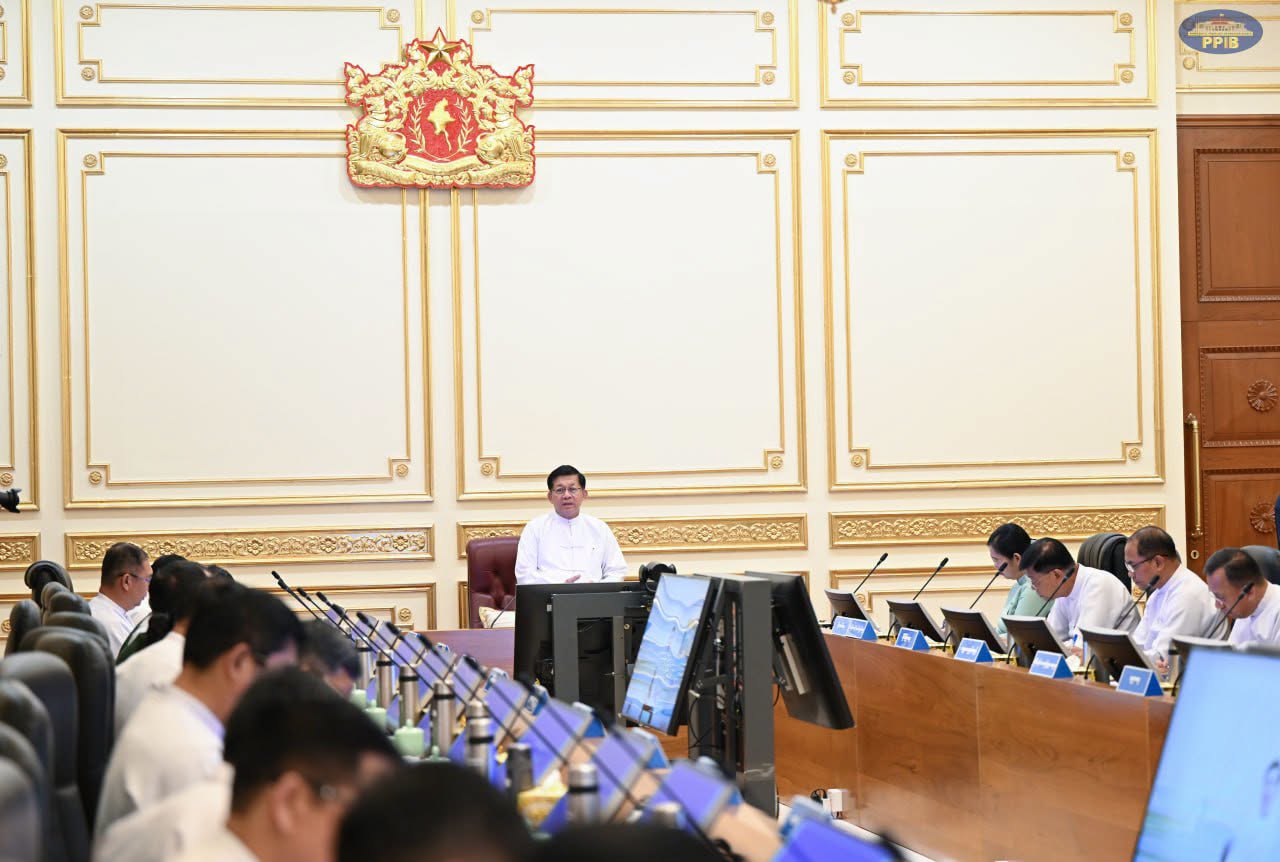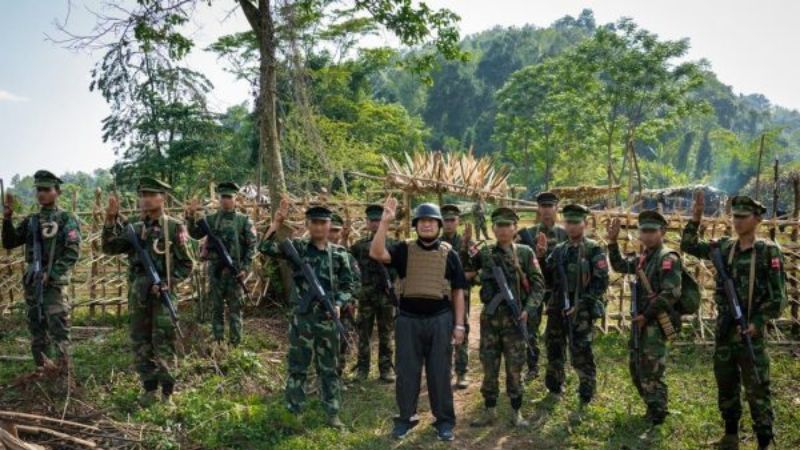
Rebel groups in Myanmar have rejected a peace proposal from the country's military junta, which is facing severe losses on the battlefield and a wave of defections. The civil war, now dragging into its fourth year, has left the junta struggling to maintain control.
This peace offer marks the junta's first formal outreach since seizing power in 2021. It comes on the heels of a failed ceasefire in the northern Shan state, which had been brokered by China. The junta called on ethnic armed groups and so-called "terrorist insurgent groups" to engage in political dialogue, while also urging participation in elections scheduled for next year.
However, the exiled National Unity Government (NUG) dismissed the offer, stating that the junta lacks legitimacy to organize elections. Despite extending this olive branch, the junta is battling to retain control of Myanmar, with some reports suggesting it now holds less than half of the country’s territory.
In June, a coalition of three ethnic armies renewed their offensive, capturing strategic positions along a key highway leading to China's Yunnan province. The ongoing conflict in Shan state has also disrupted Beijing’s plans to link its landlocked southwest to the Indian Ocean via Myanmar. During a recent visit to Myanmar, China's top diplomat Wang Yi reportedly delivered a stern warning to junta leader Min Aung Hlaing regarding the situation.
In a statement, the junta urged armed groups to follow the "path of party politics and elections" to achieve peace and development. It highlighted the devastating toll of the conflict, including the loss of lives, destruction of infrastructure, and the stagnation of the country's progress.
However, rebel groups remain unconvinced. The Karen National Union (KNU), which has been fighting for autonomy along the Thai border for decades, emphasized that any dialogue would require the military to accept a "federal democratic constitution" and renounce future political involvement. The KNU also demanded accountability for war crimes committed by the junta, warning that without these concessions, they would continue to apply both military and political pressure.
Similarly, other rebel leaders expressed their disinterest in the junta's offer. Maung Saungkha, leader of the Bamar People's Liberation Army, outright rejected the proposal, while Soe Thu Ya Zaw of the Mandalay People’s Defense Forces likened it to deceptive bargaining, stating the junta was “hanging goat’s heads but selling dog meat."
Since the junta's 2021 coup, which overthrew Myanmar’s democratically-elected government, peaceful protests have been met with violent crackdowns, leading to a broader alliance of ethnic armed groups and anti-coup militias. The civil war has claimed over 50,000 lives and displaced more than two million people, according to the United Nations, which recently warned that Myanmar is "sinking into an abyss of human suffering."
Reports have surfaced of brutal tactics by the military, including torture, and the use of burning petrol and forced consumption of urine by detainees.
BOB Post