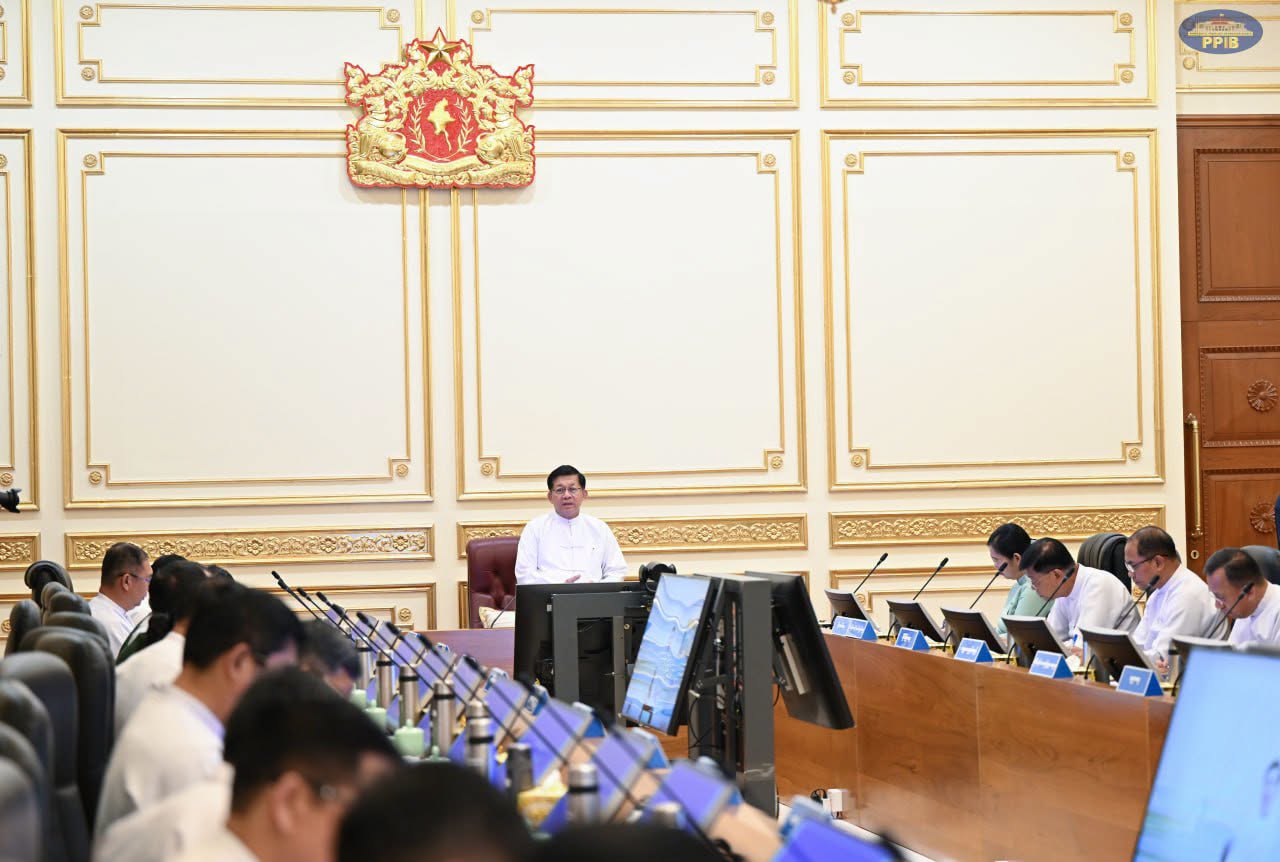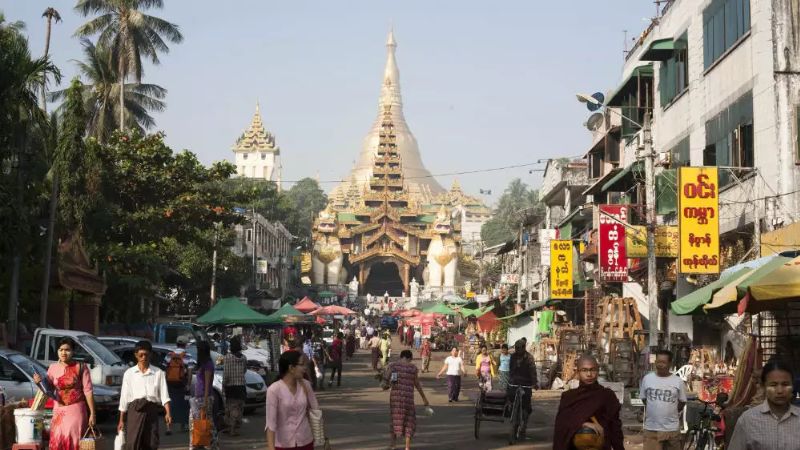
Amidst a backdrop of insurgent victories, the junta in Myanmar persists, buoyed by its stranglehold on weaponry and aerial dominance.
The tumultuous civil strife in Myanmar continues its relentless march, transitioning from the euphoria of the unexpected insurgent surge in October 2023 (Operation 1027) to a sobering reality. The State Administration Council's (SAC) recent enactment of a military conscription law casts a shadow of apprehension, signaling the potential for widespread forced enlistment. Despite facing losses in territory, bases, and personnel across various borderlands and the emerging battlefronts in Rakhine, Karen, Karenni, Shan, and Kachin states, the SAC's grip on power remains tenacious.
Though they are becoming less credible, hopeful predictions of the junta's impending demise continue to circulate.
Undeniably, approximately 50 towns have succumbed to the onslaught of the Three Brotherhood Alliance, Arakan Army, Karen National Union, and other anti-regime factions. However, the pivotal state capitals and regional military strongholds of Myanmar have yet to falter. Instances of Myanmar soldiers seeking refuge in neighboring India, Bangladesh, and Thailand to evade insurgent assaults abound. Nonetheless, amidst the crumbling peripheries, the SAC clings steadfastly to its core, leveraging aerial supremacy and the protective shield of its armament production facilities.
Urban centers, ranging from the bustling commercial hub of Yangon to the military-industrial complex in Pyay, Magway Region, and the administrative enclaves of Naypyidaw and Mandalay, along with key military bases like Meiktila, exude a semblance of stability. While maritime trade routes offer a partial respite from the disrupted land corridors with Thailand and China, they serve as vital conduits for jet fuel and military requisites.
The Defence Services Industries (Ka Pa Sa) persist in churning out munitions unabated, despite sizable seizures by the resistance. The fortified production zones, interconnected transport arteries, and an extensive network of facilities scattered across central Myanmar present formidable bulwarks, enabling the military to escalate its relentless bombardments across multiple theaters.
A recent analysis by Myanmar conflict think tank Nyan Lynn Thit Analytica sheds light on the escalating SAC airstrikes post Operation 1027. From a mere 85 documented strikes in 2021, the tally surged to 1,228 in 2023, marking a staggering escalation. Casualties soared in tandem, with civilian fatalities and injuries climbing to alarming figures, painting a grim picture of the conflict's human toll.
The intensity and precision of aerial assaults have reached unprecedented levels, with allegations of thermobaric weaponry amplifying the devastation. The recent tragedy in Minbya township, Rakhine, claiming the lives of over 20 Rohingya Muslims, and the widespread destruction in Hsihseng, Southern Shan State, underscore the lethal efficacy of SAC's firepower, bolstered by heavy artillery barrages and the burgeoning utilization of weaponized drones. Reports from Karenni State recount civilians enduring 32 bombings within a span of two hours.
Amnesty International's revelation in late January regarding jet fuel transactions to Myanmar's military via clandestine routes underscores the international complicity in fueling the conflict. Subsequent sanctions imposed by Australia on Myanmar's aviation fuel suppliers and targeted measures by the United States aimed at curbing foreign arms support signify a recognition of the need for concerted action against the surge in airstrikes.
BOB Post