Myanmar is setting its sights on a significant expansion of its rubber industry, aiming to triple its current export volume to 300,000 tonnes in the 2025-2026 financial year. This ambitious goal is part of a broader national strategy to enhance the quality of raw materials and shift towards higher-value manufacturing to penetrate more foreign markets.
Currently, the nation's rubber sector generates an estimated US$480 million in annual export revenue, according to the Department of Agriculture. With a total annual output of 400,000 tonnes from 950,000 productive acres, over 100,000 tonnes are presently shipped abroad. China remains the dominant market, accounting for 75 per cent of Myanmar's rubber exports, with the remainder sent to countries including Singapore, Malaysia, Indonesia, the Republic of Korea, and Japan. The majority of production is concentrated in Mon State, followed by the Taninthayi and Kayin states.
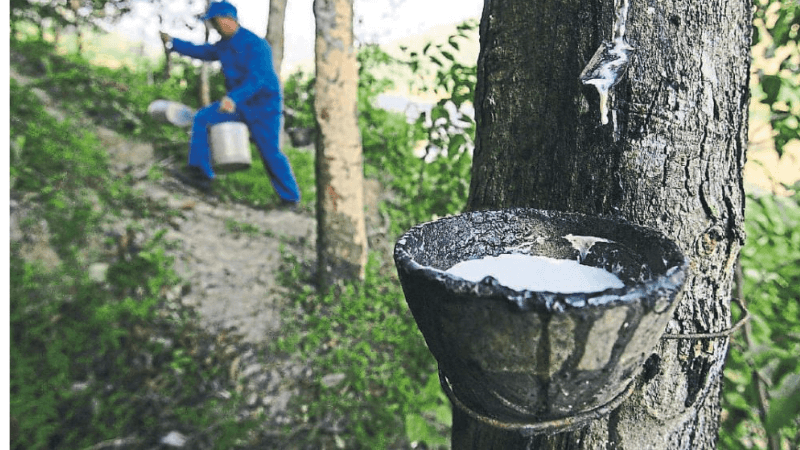
To support this growth, the Department of Agriculture is actively implementing programs to modernize the sector. Key initiatives include replacing old rubber trees with superior pedigree plants, training a skilled workforce of tappers to maximize yield and ensure tree health, and investing in rubber research and technology. The department is also focused on quality control, vowing to prevent the distribution of inferior-grade rubber that could undermine the industry's reputation.
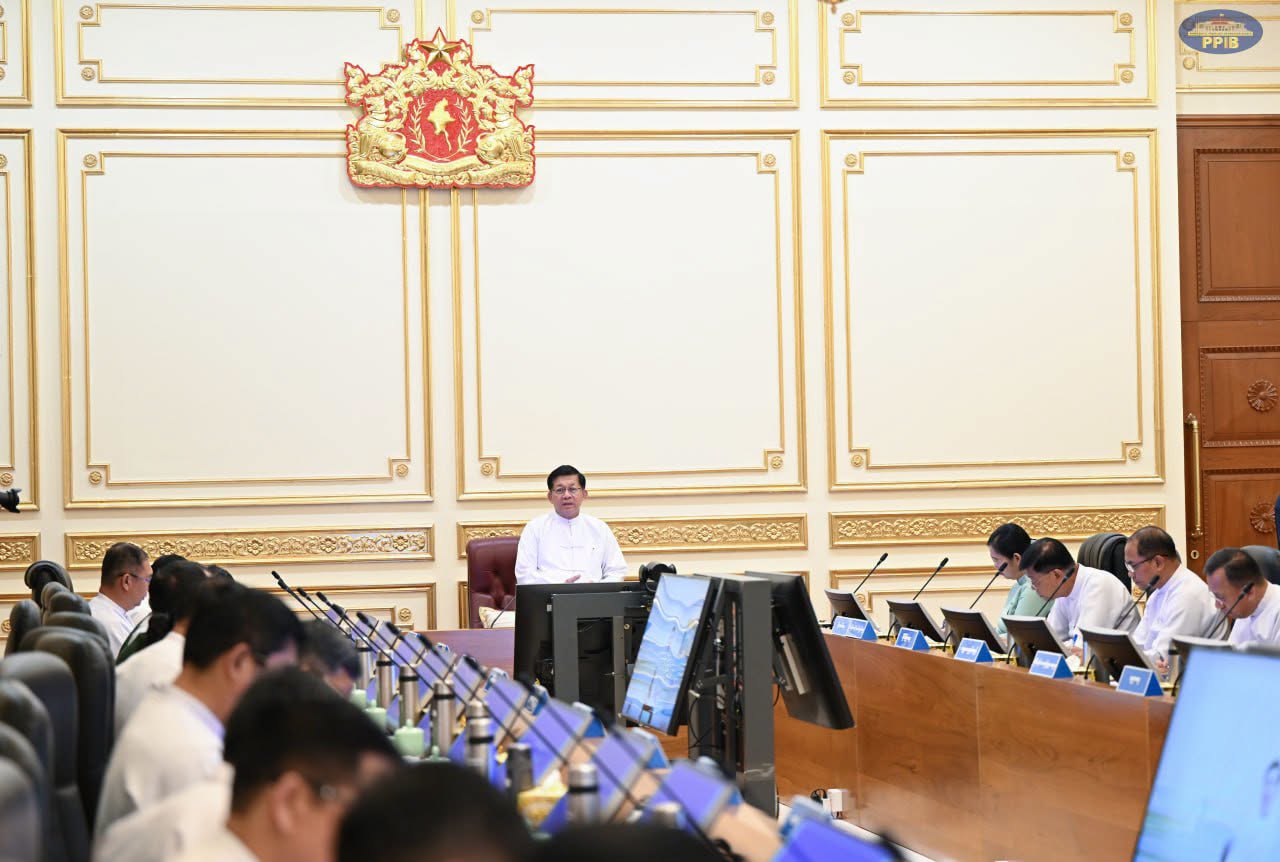
The push for higher value was recently underscored by Acting President, Senior General Min Aung Hlaing. During a meeting in Dawei, he stressed the need to enhance the properties of Myanmar's raw rubber. He remarked that developing value-added processing and manufacturing domestic products such as tires, related automotive parts, and other consumer goods would allow Myanmar to secure a stronger position in the global market and command higher prices, moving beyond the export of raw materials alone.
BOB Post