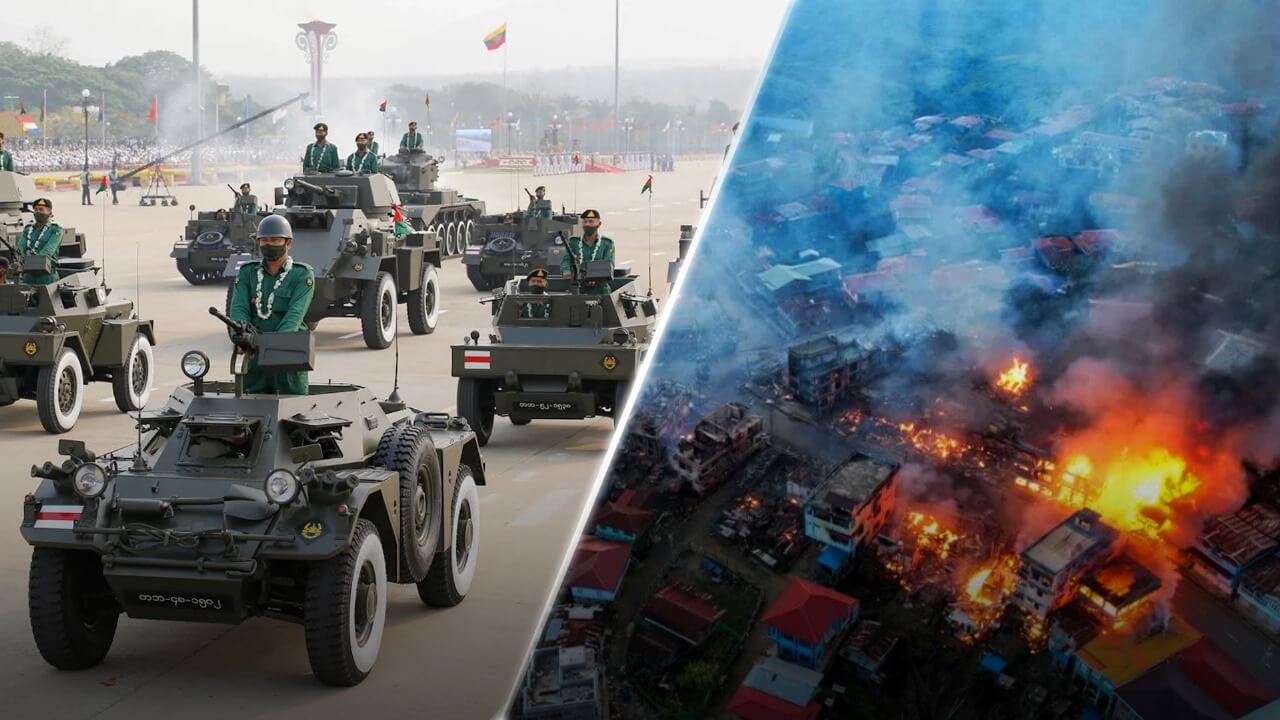
Crimes against humanity and war crimes committed by the Myanmar military have intensified at an alarming pace, according to warnings issued today by United Nations investigators, who highlighted systematic torture, gang rape, and abuses against children.
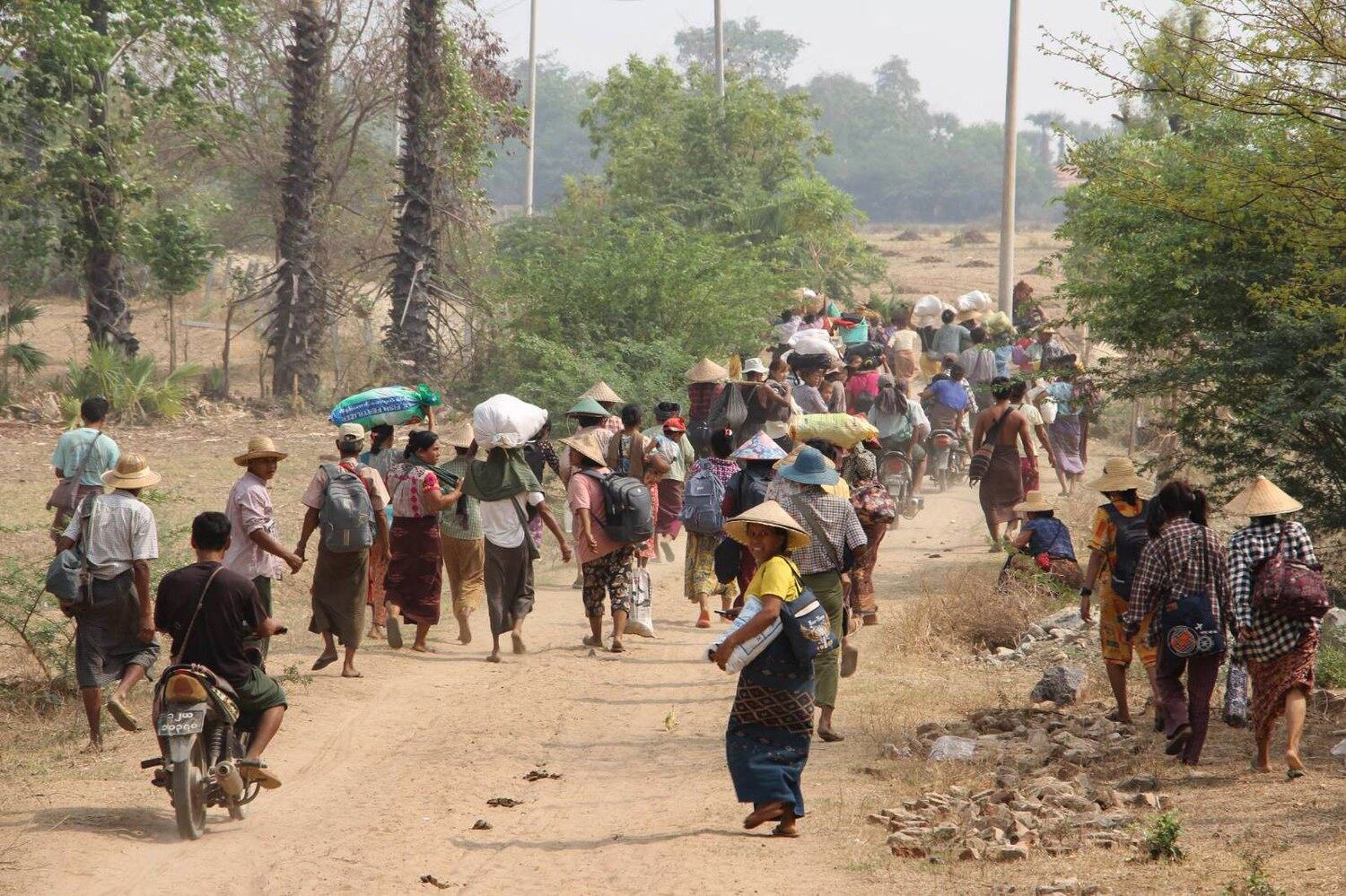
The UN's Independent Investigative Mechanism for Myanmar reported that in the past six months alone, over three million people are believed to have been forced from their homes as the conflict within the country continues to escalate.
“We have collected substantial evidence showing horrific levels of brutality and inhumanity across Myanmar,” said IIMM chief Mr Nicholas Koumjian.
“Many crimes have been committed with an intent to punish and induce terror in the civilian population.”
In its annual report covering the period from July 1, 2023, to June 30, 2024, the UN Independent Investigative Mechanism for Myanmar (IIMM) stated that the conflict in Myanmar had “escalated substantially,” with reports of increasingly frequent and brutal crimes occurring across the country.
The investigators reported having gathered substantial evidence of intensified and more violent war crimes, including aerial attacks on schools, religious buildings, and hospitals, all without apparent military targets.
They also highlighted instances of physical mutilation inflicted on detainees, including beheadings and the public display of disfigured and sexually mutilated bodies.
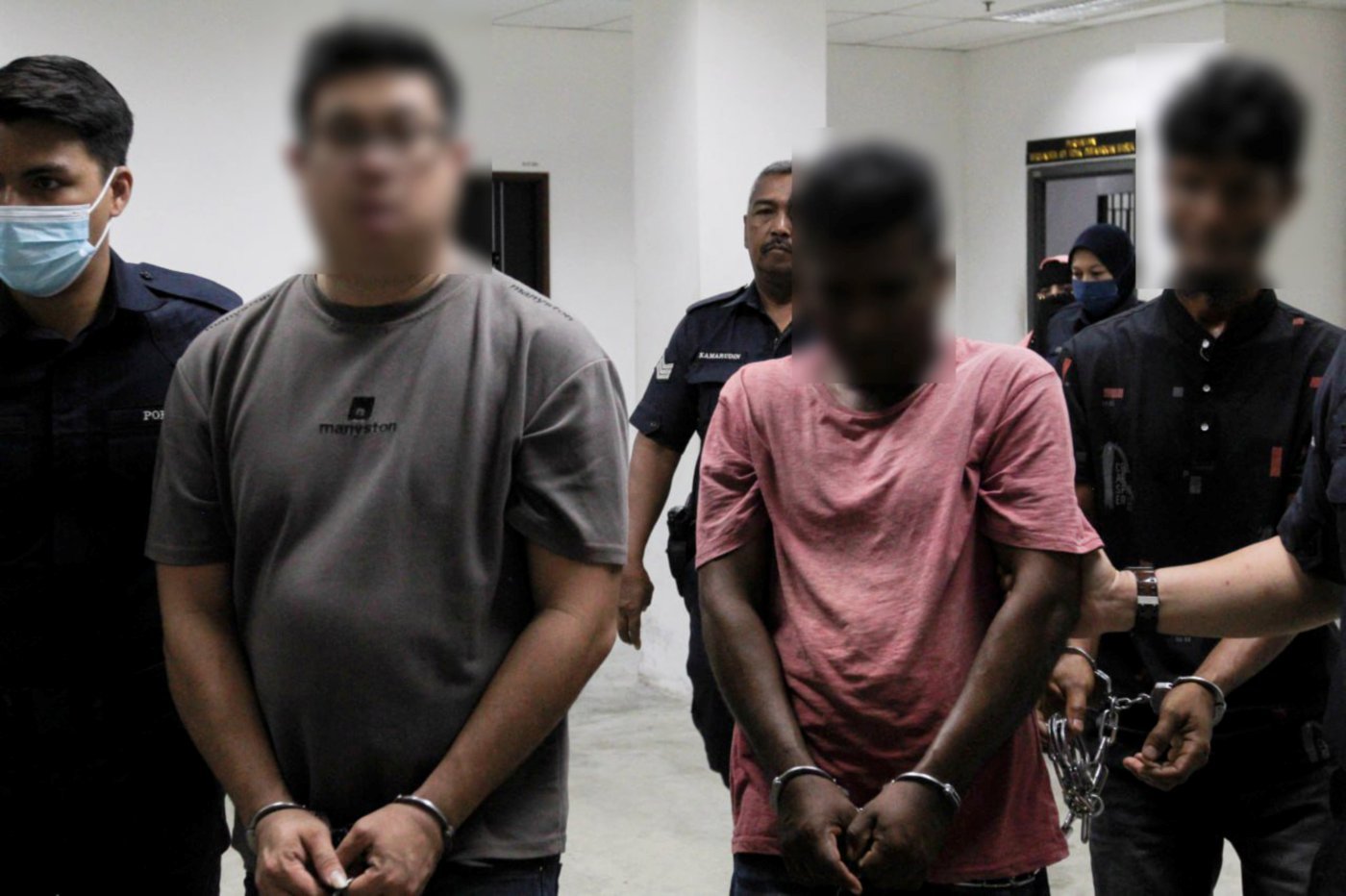
Additionally, the investigators are examining cases of unlawful imprisonment, including arbitrary detention and “manifestly unfair trials” of individuals perceived as opponents of the military junta.
“Thousands of people have been arrested and many tortured or killed in detention,” the IIMM said.
Myanmar's ruling junta seized power in a February 2021 coup, toppling the elected government of Daw Aung San Suu Kyi and abruptly ending a decade-long experiment with democracy, plunging the Southeast Asian nation into violent turmoil.
The junta has faced significant challenges in quelling resistance from both long-established ethnic rebel groups and newer pro-democracy movements.
In its efforts to suppress post-coup dissent, the report revealed “abundant evidence of systematic torture” inflicted on detainees.
Torture methods documented include beatings with bamboo sticks, electric shocks, the removal of fingernails with pliers, dousing detainees in petrol and setting them on fire, waterboarding, strangulation, breaking fingers, and forcing detainees to punch each other.
The report also found credible evidence of sexual crimes committed in detention against all genders, including children. These crimes included rape, burning sexual body parts with cigarettes, and sexual humiliation.
The IIMM was established by the UN Human Rights Council in 2018 to collect evidence of the most serious international crimes and prepare files for criminal prosecution.
The report’s findings were based on almost 28 million items of information collected from more than 900 sources. The team also studied evidence such as videos, geospatial imagery and forensics.
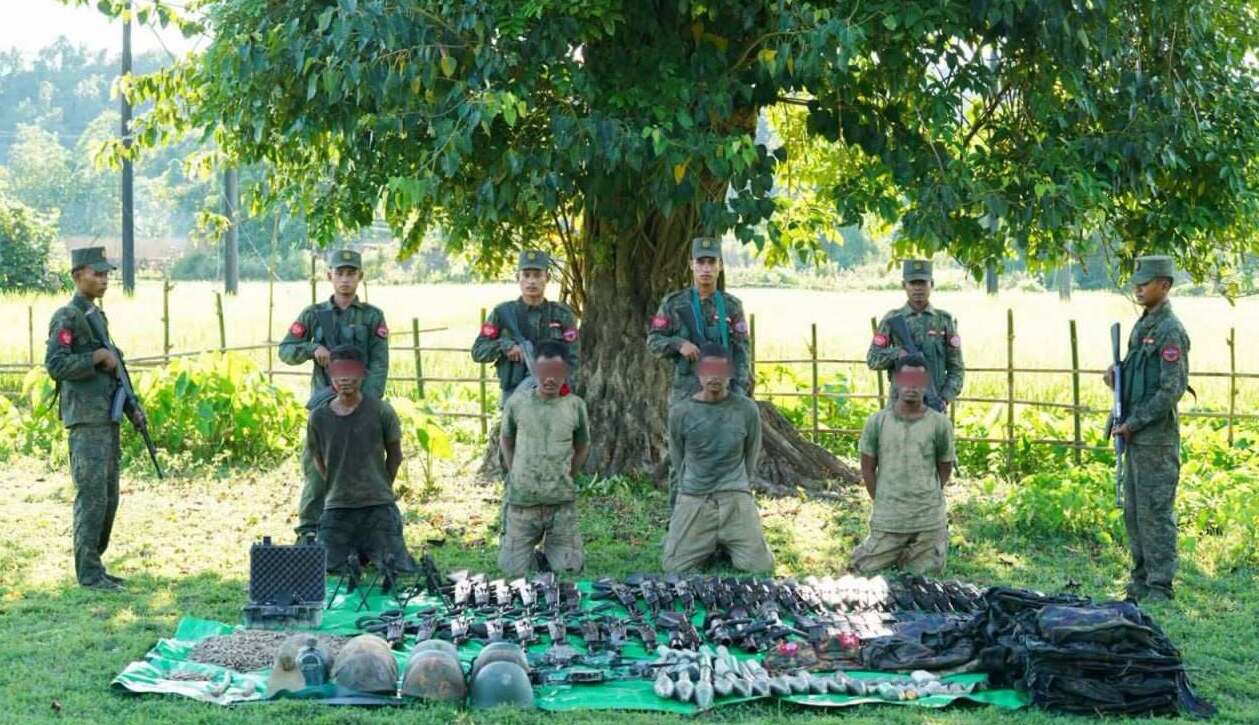
While most of the information concerns crimes allegedly committed by the Myanmar security forces, the monitor said there was also credible evidence of crimes committed by armed groups fighting against the military.
“This includes summary executions of civilians suspected of being military informers or collaborators,” the investigators said.
It is also probing potential crimes committed against the Rohingya during the Myanmar military’s 2016 and 2017 clearance operations.
“No one has been held accountable for any crimes, which emboldens perpetrators and deepens the culture of impunity in the country. We are trying to break this cycle,” said Koumjian.
He claimed the IIMM had made considerable progress in building criminal cases against those most responsible.
“The mechanism hopes that the evidence it collects will one day be presented in a court of law and that those responsible will face justice,” the report concluded.