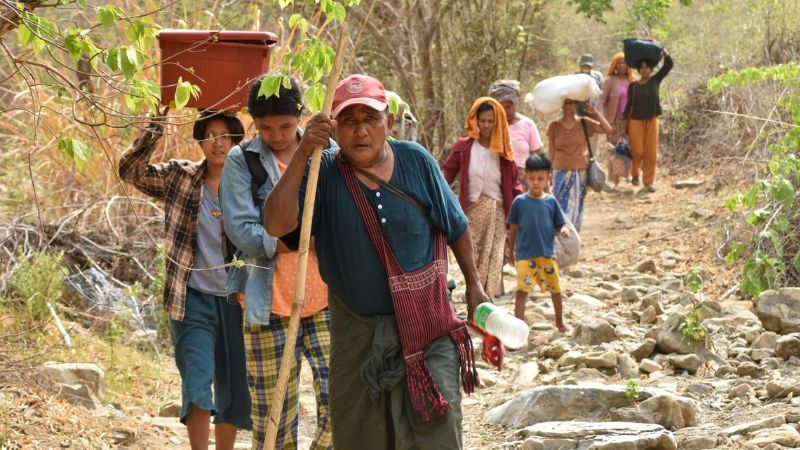
The people of Myanmar are reeling under a worsening humanitarian crisis as the sudden withdrawal of U.S. and international aid exacerbates suffering across the nation, human rights experts warn. With an already fragile healthcare system, ongoing armed resistance, and intensifying military crackdowns, the suspension of critical funding is compounding the misery of a nation in turmoil.
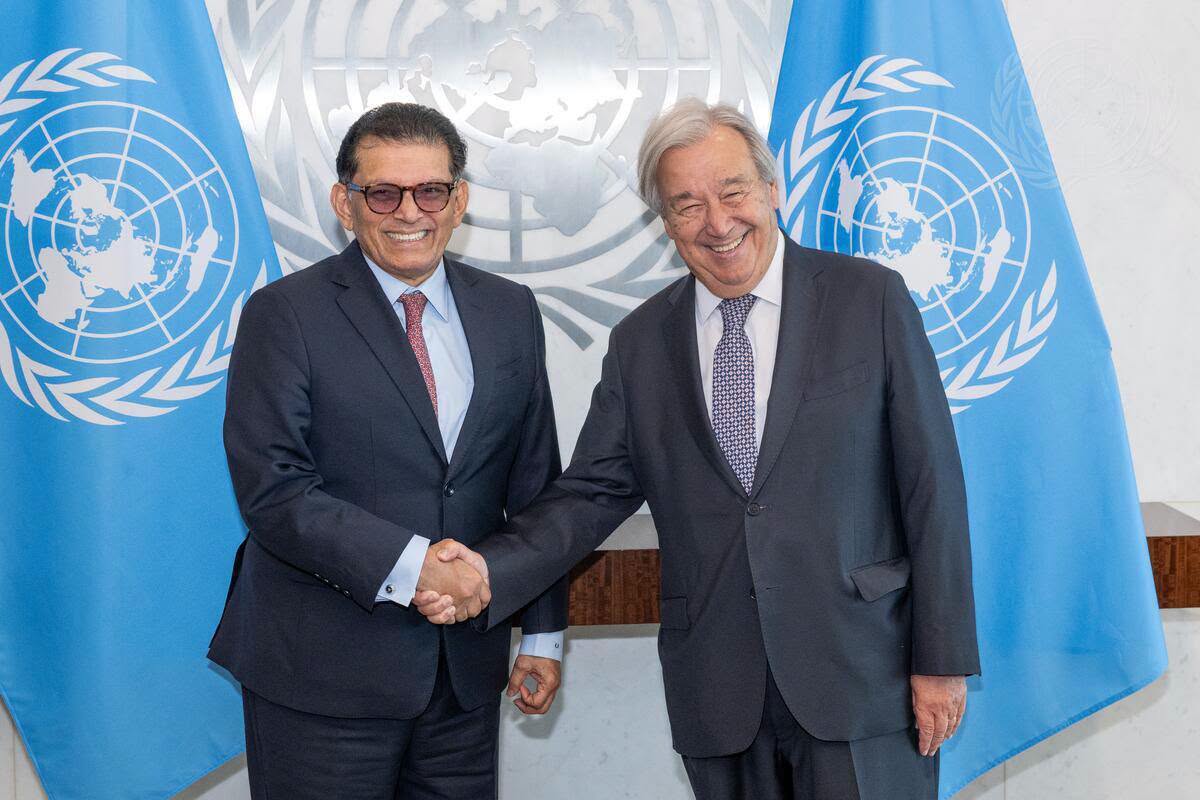
Tom Andrews, the U.N.-appointed human rights monitor for Myanmar, has sounded the alarm over what he calls the “crushing impact” of the “sudden, chaotic withdrawal” of humanitarian support. He has urged the U.N. Human Rights Council to take immediate and decisive action, warning that the move to cut aid is both “unnecessary and cruel.”
Aid Withdrawal Amid Escalating Violence
Since the military coup in February 2021, Myanmar has faced widespread armed resistance. Initially, peaceful protests against the junta were met with brutal crackdowns, pushing thousands of civilians to take up arms. Large parts of the country are now engulfed in conflict, with resistance groups making territorial gains against the military regime.
Just last week, an airstrike reportedly killed and injured dozens in a resistance-held village, highlighting the unrelenting violence inflicted upon civilians. The abrupt halt of U.S. humanitarian aid has only compounded the crisis, leaving tuberculosis and HIV patients without medication, closing down rehabilitation centers for disabled children, and limiting access to food and water for displaced populations.
Myanmar Junta: The Root of the Crisis
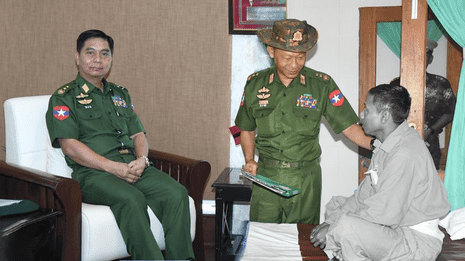
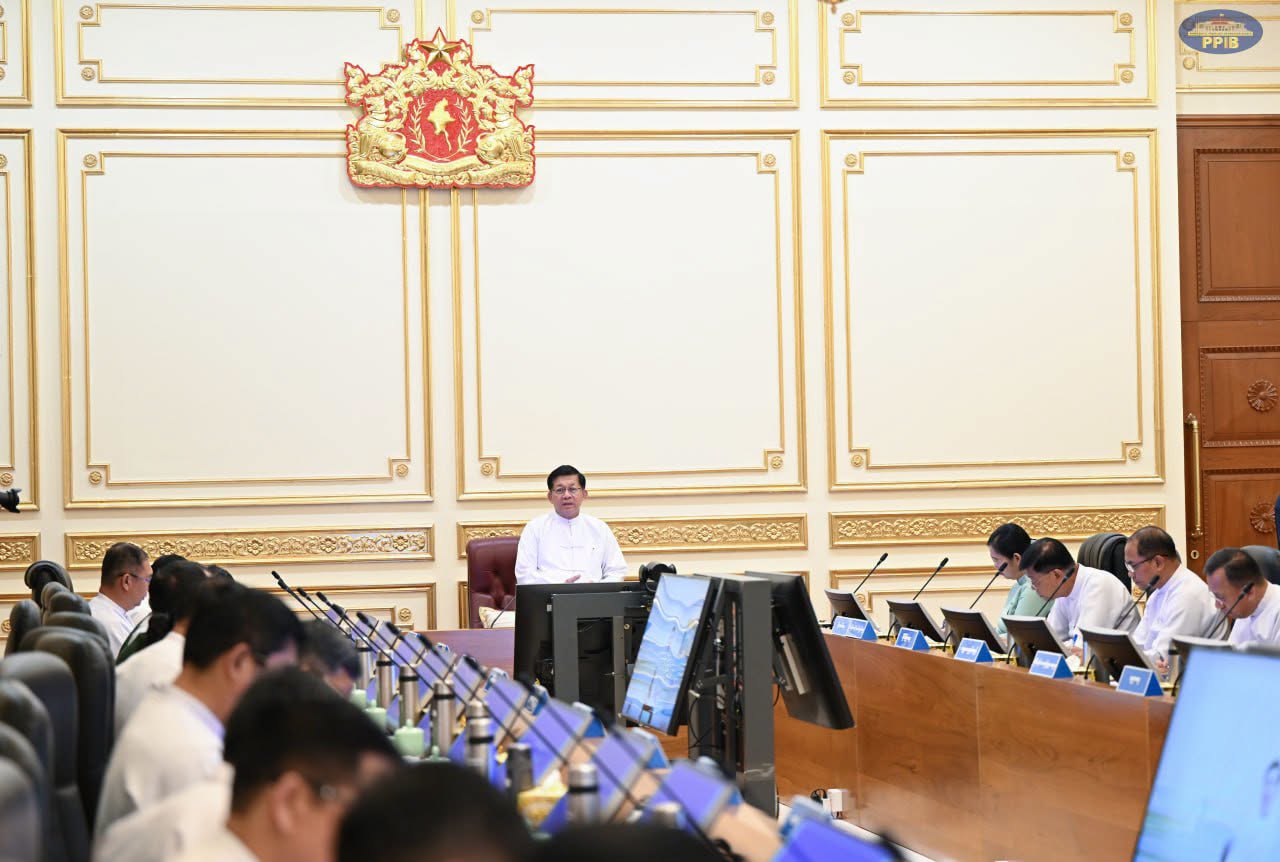
While the U.S. aid cuts have drawn scrutiny, the fundamental cause of Myanmar’s suffering remains its oppressive military rulers. Since seizing power from Aung San Suu Kyi’s democratically elected government, the junta has committed widespread human rights violations, arbitrarily detaining thousands, silencing political dissidents, and indiscriminately bombing civilian areas.
Reports indicate that the junta’s reliance on forced conscription, scorched-earth tactics, and economic strangulation has created a humanitarian catastrophe. The military’s blockade of essential goods, targeted attacks on medical facilities, and use of airstrikes against villages have exacerbated hunger, disease, and displacement. The collapse of foreign aid programs has only intensified this suffering.
Political Manipulation of Aid Cuts?
Critics argue that the aid withdrawal is linked to broader geopolitical and domestic concerns in the United States. The Trump administration and its political allies have long called for reducing foreign aid, citing the need for fiscal responsibility. Elon Musk, through the Department of Government Efficiency, has played a key role in slashing USAID spending, dismissing much-needed humanitarian programs as “wasteful.”
Andrews, however, counters this narrative, pointing out that “innocent people are being tossed into that wood chipper” for the sake of political theatrics.
A Call for Global Responsibility
The crisis in Myanmar is not just a consequence of foreign aid policies but a direct result of the military regime’s oppression. As international funding dries up, the burden falls on global institutions and regional allies to step up. Organizations such as the U.N., ASEAN, and international NGOs must act swiftly to fill the void left by U.S. cuts and ensure that Myanmar’s most vulnerable populations receive the support they desperately need.
As Andrews starkly put it, “If the Human Rights Council doesn’t act, then who will?” The world is watching—and it cannot afford to look away.
BOB Post