Facing a sudden onion crisis triggered by a sweeping export ban from its southern neighbor India, Nepal's traders are turning their gaze northward, seeking alternatives in China to meet the rising demand for the essential kitchen staple.
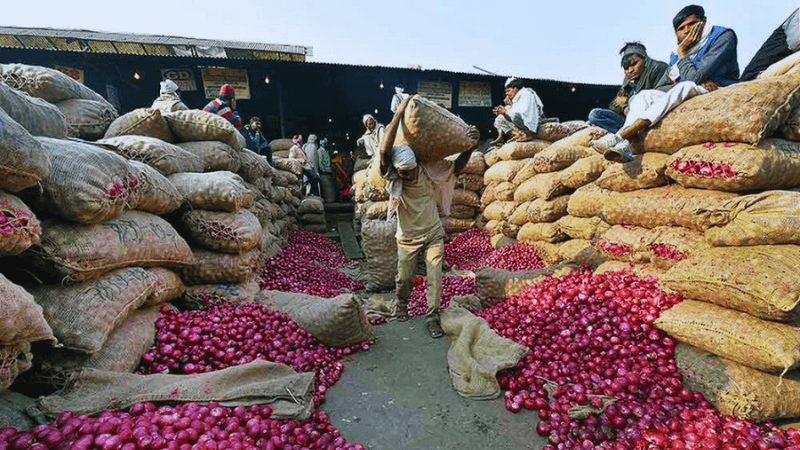
On December 8th, India, in a move to stabilize domestic prices ahead of upcoming elections, imposed a ban on exporting onions, adding it to a list of essential food items restricted for export. This decision sent shockwaves through Nepal, heavily reliant on Indian imports for its onion supply. With domestic stocks dwindling and prices skyrocketing, Nepali traders scrambled for solutions. Initially, Chinese onions emerged as a readily available option. Prakash Gajurel, general secretary of the Potato and Onion Traders Association, reported a surge in imports from China, reaching 15-20 tonnes daily just a few days after the Indian ban. However, the shift towards Chinese onions hasn't been without its challenges. Nepali consumers have traditionally preferred Indian onions for their taste and pungency. Chinese onions, known for their larger size and higher water content, haven't met the same level of approval.

"Consumers are not too happy with the taste and quality of Chinese onions," admitted Gajurel. "They are bigger but have more water, making them less flavorful." This preference gap has resulted in slower market uptake for Chinese onions despite their lower price compared to Indian varieties. Adding to the complexity, reports emerged of continued, albeit discreet, onion imports from India despite the ban. Traders claim to be bringing in 40-60 tonnes of onions daily through legal channels, suggesting potential loopholes or unofficial arrangements. On December 16th, the Kalimati vegetable market in Kathmandu received 71 tonnes of onions, the highest volume in a week since the ban, hinting at a possible increase in Indian supply. nMeanwhile, domestic onion prices, though slightly down from peak levels, remain significantly higher than before the ban.
The long-term implications of this crisis are yet to be fully understood. Increased reliance on China for onions could potentially reshape Nepal's import patterns and trade relations. For Nepal's consumers, the immediate concern remains ensuring a steady and affordable supply of this vital ingredient. The government has announced plans to increase domestic onion production in the coming months, but the success of such measures will determine whether Nepal can overcome this onion crisis and diversify its import sources for long-term food security.
BOB Post