A week after Pakistan's recent elections, allegations of manipulation have intensified following a shocking confession from Liaqat Ali Chattha, the commissioner of Rawalpindi. Chattha, a crucial figure in the city where the military holds its headquarters, publicly acknowledged orchestrating electoral fraud. His confession revealed the manipulation of votes, converting losing candidates into winners by reversing margins of up to 70,000 votes in 13 national assembly seats.
Election day witnessed a controversial move as authorities shut down the country's mobile phone network, raising suspicions and adding fuel to rigging allegations. The extended vote count beyond 24 hours further fueled concerns about the electoral process. The Pakistan Muslim League-Nawaz (PML-N), backed by the military, failed to secure a majority. In response, they formed a coalition with the Pakistan Peoples Party (PPP) and several smaller parties to establish the next government.
Chattha's admission implicates high-ranking officials, including the head of the election commission and the country's top judge, as well. Despite the election commission denying the allegations, an inquiry has been promised. The Human Rights Commission of Pakistan expressed alarm at state bureaucracy involvement in electoral rigging, shedding light on deeper systemic issues.
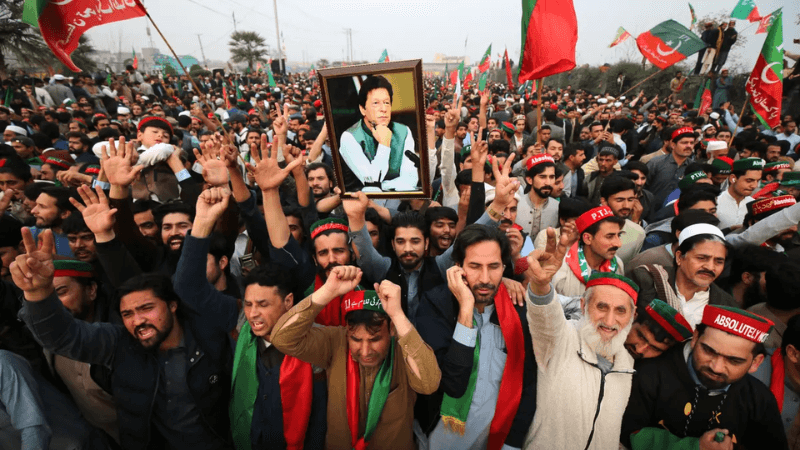
In response to the revelation, Imran Khan's Pakistan Tehreek-e-Insaf (PTI) party, which faced a crackdown during campaigning, called for nationwide protests against the alleged rigging. PTI supporters took to the streets, demanding justice and the return of their mandate. Despite gaining significant votes, PTI refused to form a coalition with its opponents, allowing the PML-N to take the lead in forming the next government.The aftermath of Chattha's statement has led to increased scrutiny and calls for thorough investigations and accountability measures
BOB Post