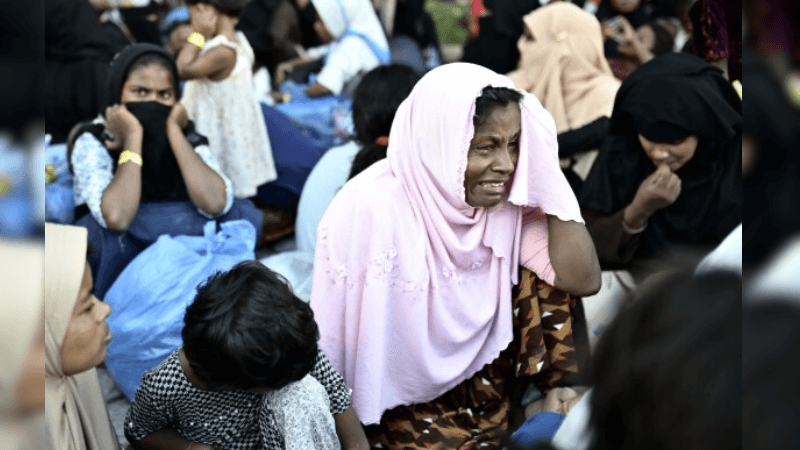
Amidst the enduring uncertainty of seven years, Rohingya refugees find themselves grappling with the aftermath of escaping persecution in Myanmar. Washed ashore in makeshift camps in Aceh province, their aspirations for a better future clash with the harsh realities of displacement and an uncertain destiny.
Abdul, a Rohingya refugee who fled Rakhine state in 2017, reflects on the grim conditions they face: “We came here for a better future for our children. But this isn't life. We live in fear of floods, sickness, and hostility.”
Despite Indonesia's initial welcome, public sentiment has shifted, with local resentment and concerns about resource strain simmering beneath the surface. The refugees find themselves ensnared in a bureaucratic maze, facing limited access to healthcare, education, and job opportunities.
Exposed to the elements, the refugees sleep under tarpaulins and coconut trees. Indonesia, not a signatory to the UN Geneva Convention on refugees, attributes the refugee surge to the ongoing conflict in Myanmar.
The door to Myanmar remains tightly shut, as ongoing violence and a lack of military accountability make repatriation a distant hope. Despite vocal condemnations from the international community, words have failed to materialize into concrete action, breeding disillusionment and vulnerability.
In December, Abdul Karim embarked on a perilous sea journey from Bangladesh to Indonesia, harboring aspirations for a better life for his family. Tragedy struck as his wife fell ill during the journey, succumbing just one day before reaching Indonesia.
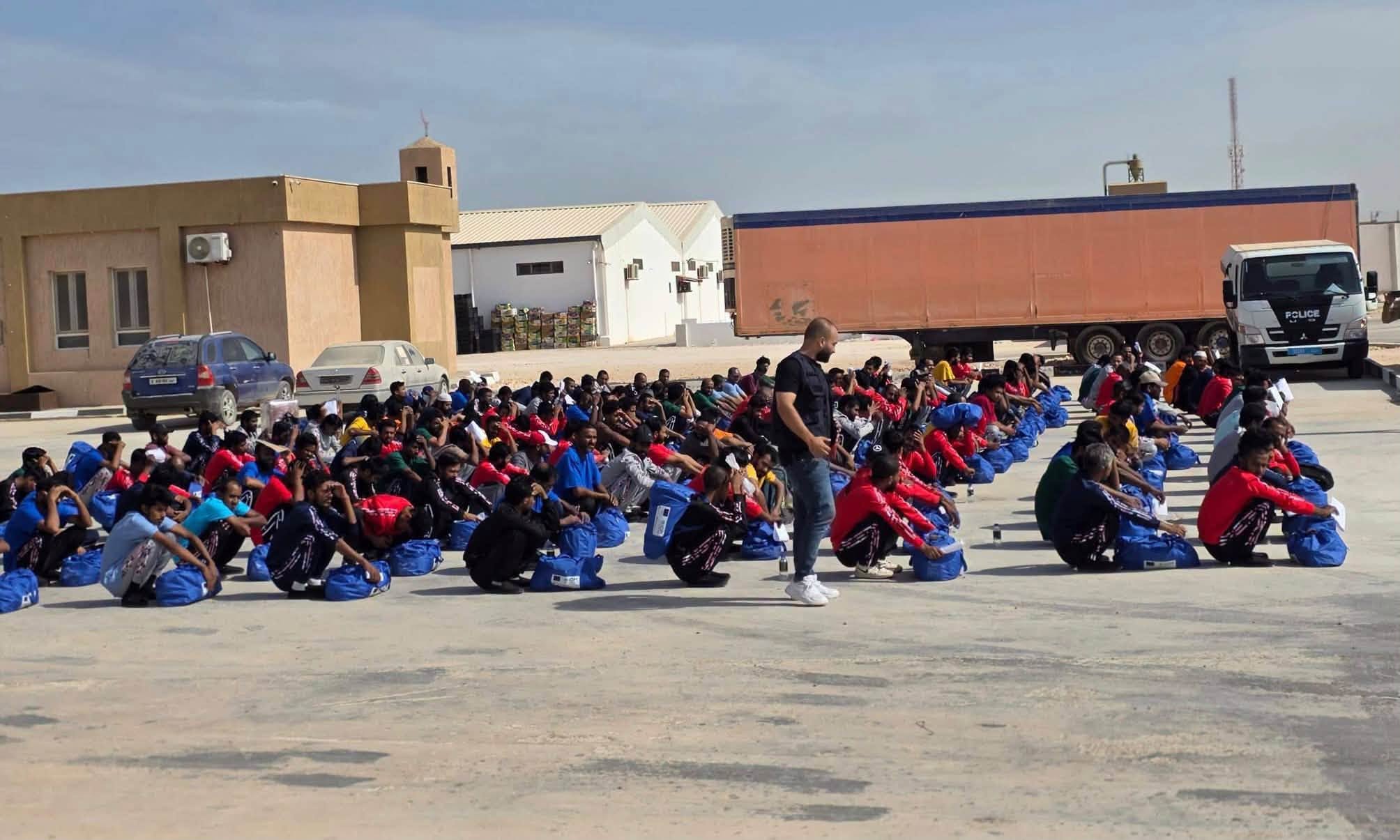
Now, Abdul's family is among over 200 Rohingya refugees seeking shelter on a beach in Pidie, Aceh province. Abdul Karim paints a vivid picture of their hardships, stating, “It is difficult to survive without her, with two little children.”
Nur Begum, another Rohingya mother, undertook the challenging journey for the wellbeing of her disabled son. Struggling to care for him on the beach, she expresses regret over her decision to come to Indonesia.
Local fishermen express opposition, vowing not to allow more Rohingya to disembark. An Acehnese woman voices resentment, stating, “I saw many videos about the Rohingya on social media. They get to eat nice food. But if we don't work, we don't get to eat.”
Challenges persist in Indonesia, with the UNHCR responsible for the refugees' basic needs. However, local authorities face obstacles in securing designated sites due to strong rejection from the local community. Human Rights Watch calls on Indonesian authorities to investigate the spread of hate and misinformation against the Rohingya online.
BOB Post