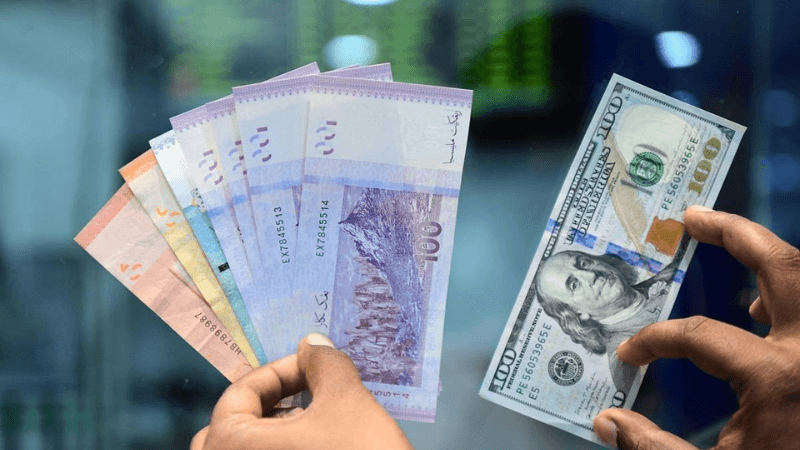
Malaysia's ringgit is anticipated to strengthen against the US dollar, with expectations ranging between 4.20 and 4.40 by the end of this year. The projection is influenced by the United States Federal Reserve's (Fed) potential interest rate cuts, driven by concerns over an impending economic recession in the US. Tan Teng Boo, Managing Director of Capital Dynamics Asset Management, highlighted the positive impact on the ringgit and other currencies, including the Thai baht, Indonesian rupiah, and Japanese yen, emphasizing the dependency on the US Fed's decisions rather than local economic policies.
Global developments, such as the Red Sea crisis and Panama Canal drought, contributing to higher commodity prices, may lead to increased US inflation, potentially triggering a recession. Factors like unemployment data and Consumer Price Index (CPI) indicators suggest a tight US job market, impacting wages and inflation. The US Fed, facing inflation concerns, might be compelled to raise interest rates, adversely affecting emerging economies like Malaysia.
Despite being affected by nominal exchange rates, Tan highlighted that the ringgit is currently undervalued. He attributed the situation to the US Fed's aggressive fiscal spending and high debt-to-GDP ratio, impacting global economies, including Malaysia. Inflationary pressures could prompt the US Fed to raise interest rates, causing potential setbacks for emerging countries while possibly leading to a US economic downturn.
Recent data showed a 0.3% month-on-month rise in headline CPI in January 2024, with core CPI (excluding food and energy components) increasing by 0.4%. The Producer Price Index (PPI) for final demand rose by 0.3%, and core PPI (excluding food, energy, and trade prices) surged by 0.6%. Malaysia's resilience is underscored, with government policies and economic measures crucial in supporting the ringgit's recovery amid external challenges.
BOB Post