

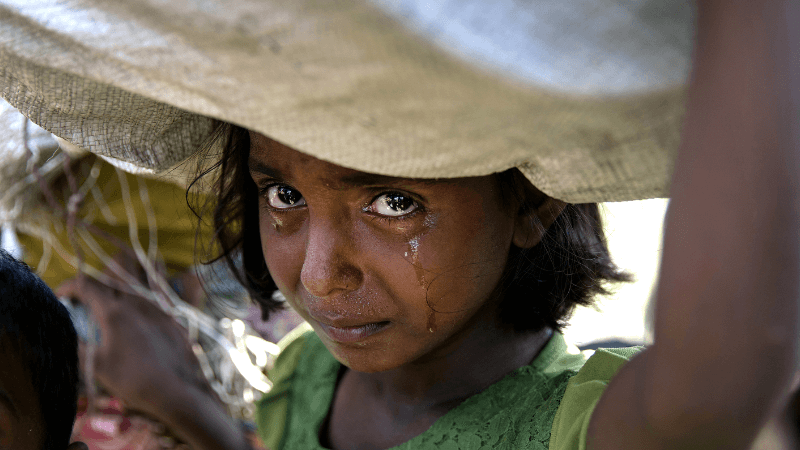
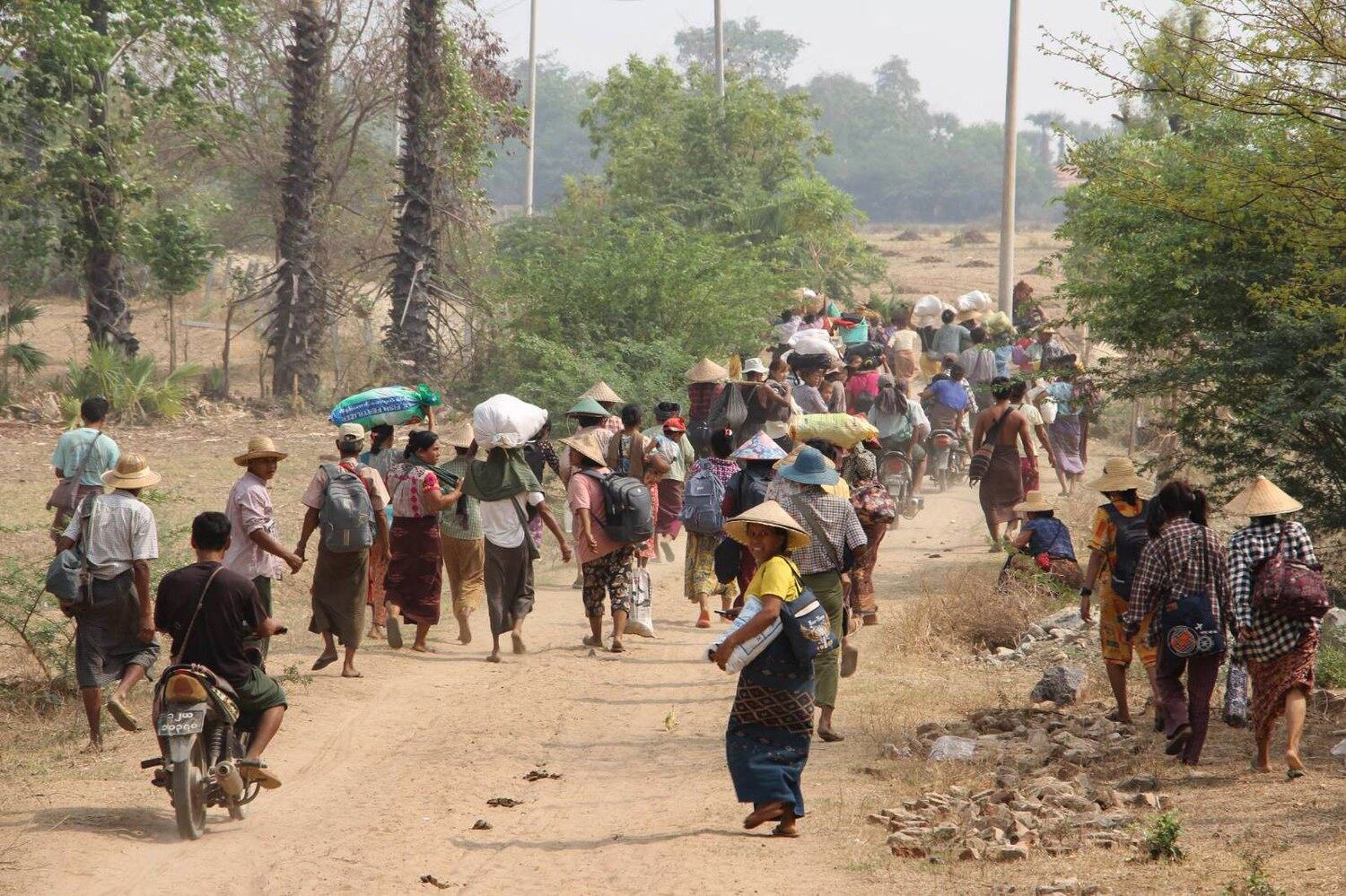
In 2017, a significant influx of Rohingyas led to their settlement in Kutupalong, Cox's Bazar. Currently, an estimated 1.2 to 1.4 million Rohingyas, including a growing number of children, reside in Kutupalong, making it the world's largest refugee camp.
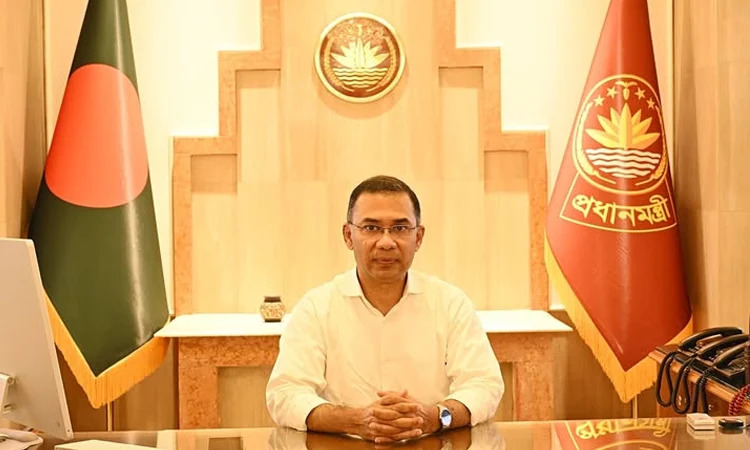
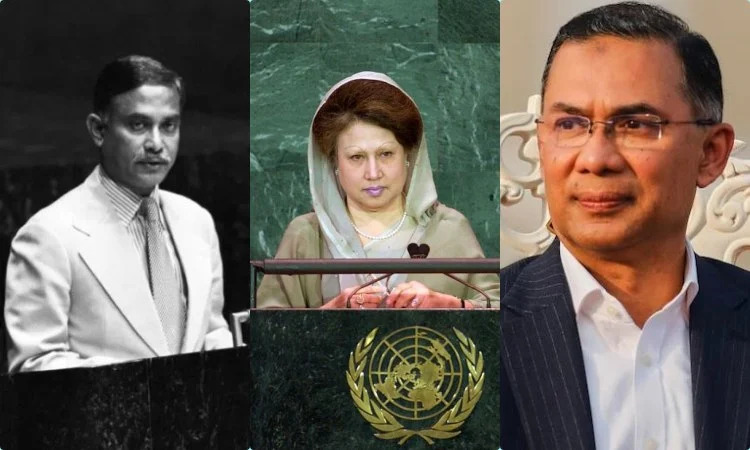
The Rohingya crisis originated with their expulsion from Myanmar's Rakhine state, as they sought refuge in Bangladesh due to persecution by both the local population and the military junta under General Ne Win's rule in Burma (Myanmar). Lieutenant General Ziaur Rahman served as the president of Bangladesh during this period, and repatriation possibilities were explored through direct bilateral discussions between Ne Win and the Bangladeshi head of state.
Around 180,000 Rohingyas were repatriated within one and a half years, but intermittent repression by the military junta persisted. In 1992, Rohingya persecution escalated again, prompting around 300,000 to seek refuge in Bangladesh. Although some efforts over two years led to the repatriation of a portion of the Rohingyas, a significant number remained in Bangladesh.
The events of 2017 marked a turning point, with a large number of Rohingyas settling in Kutupalong, Cox's Bazar. This displacement resulted from what is internationally recognized as one of the most barbaric killing sprees, constituting genocide. The Rohingyas were identified as outsiders with the passage of Myanmar's Citizenship Act in 1982, denying them citizenship and stripping away voting rights.
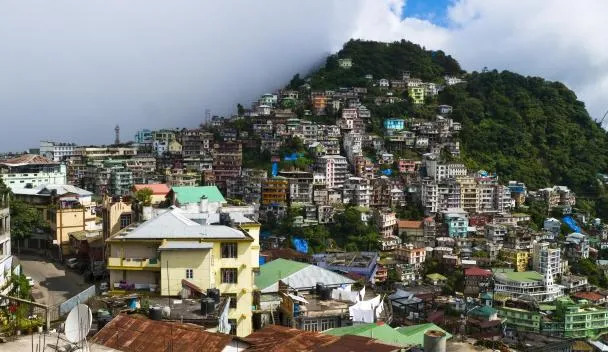
Since the Rohingyas were excluded from Myanmar's latest population census, the actual number in Rakhine state is unknown. Estimates suggest that 1.5 to 2 million Rohingyas reside there, primarily north of the Kaladan river along the Bangladesh border. Approximately 600,000 homeless Rohingyas are interned in various camps in North and South Rakhine, while others are refugees in Australia, South and Southeast Asia, including around 150,000 in Malaysia, 40,000 in India, and communities in Europe and the United States.

The Rohingyas face statelessness, endangering their existence. The Myanmar Citizens' Act, particularly unwarranted and condemnable, restricts citizenship to those with ancestors residing in Myanmar before 1823. This law further exacerbates the Rohingya crisis, impacting their recognition and rights, with the ongoing conflict involving the Arakan Army and their political organization, United League of Arakan (ULA), adding to the complexity of their situation.
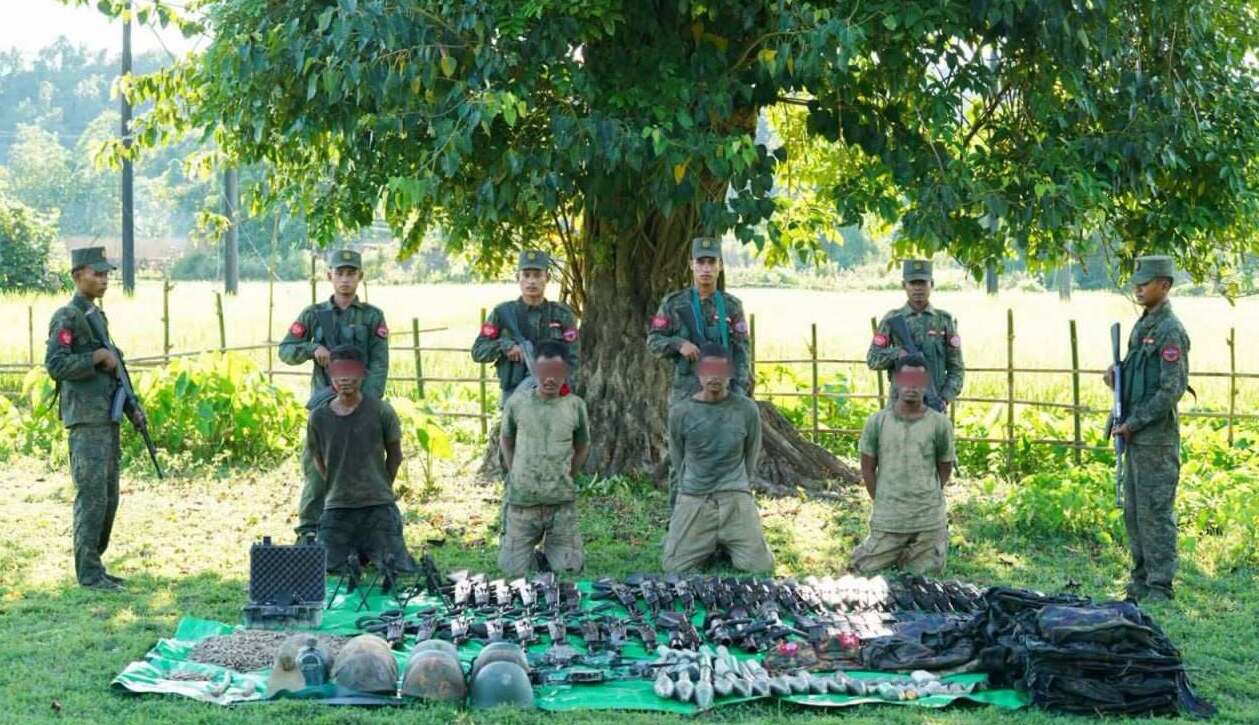
In recent times, the Myanmar junta's forces in Rakhine are facing challenges from the Arakan Army, compelling them to resort to compulsory military service. This move has sparked widespread anger within Myanmar, leading to a surge in youth attempting to leave the country and reports of desertions from both the armed forces and the paramilitary.
The historical backdrop dates back to 1824 when the British East India Company initiated the Anglo-Burmese War, occupying regions like Assam, Manipur, Kachar, Jayantiya, and Arakan by 1887. The British, during their colonial rule, misused the Rohingyas, a major population of Rakhine (Arakan), subjecting them to persecution and depriving them of fundamental rights.
The Rohingyas faced early persecution in 1942 during the Second World War when Arakan temporarily fell under Japanese rule. As part of the British army's V Force, Rohingyas became targets for local Arakan Buddhists collaborating with the Japanese. This resulted in genocidal acts, rapes, and displacement, pushing many Rohingyas from South Arakan to the North, near the present-day Bangladesh border.
Despite Myanmar gaining independence in 1948, the Rohingyas remained the target of Arakanese Buddhists' animosity, escalating during the years 2012-17 with local involvement in the persecution. However, there are indications of change, with the anti-junta National Unity Government (NUG) pledging citizenship for Rohingyas. Under NUG's leadership, the People's Defence Force (PDF) and other anti-junta ethnic groups are actively challenging the government, aiming for a federal state and greater autonomy.
In the current scenario, as the junta forces weaken and face pressure from the Arakan Army in Rakhine, they resort to mandatory military conscription. This has triggered significant opposition, leading to youth trying to leave the country and instances of desertions. The growing strength of the Arakan Army has prompted the junta to compel and entice Rohingya youth in various camps to join the military, promising citizenship in exchange. However, compulsory conscription does not apply to Rohingyas as, per existing laws, they are not considered citizens. Amending the constitution becomes imperative to grant them citizenship, highlighting the complexities of the situation.
The junta forces in Myanmar, facing pressure from the Arakan Army, have resorted to coercing Rohingya men to join the armed forces. Local Arakan leaders have issued notices, asserting that around 150 young Rohingya men from an IDP camp in Rakhine have been forcibly taken away by the cornered junta forces. The reported objective is to provide them with two weeks of training and then deploy them as human shields in the battlefield.
The enticement of Rohingyas into participating in the conflict serves the main purpose of using them against the Arakan Army and their political organization, the United League of Arakan (ULA). Notably, the Arakan Army, in changed circumstances, has expressed a political will to recognize the Rohingyas, and it is reported that a significant number of Rohingyas in Rakhine are collaborating with the Arakan Army, particularly with the ULA.
Furthermore, the Myanmar junta forces are extending their efforts to lure young Rohingya men in Bangladesh's refugee camps with promises of citizenship. Statements from purported leaders in the camps indicate this approach. Falling into the junta's trap, however, could prove detrimental, reminiscent of the historical events of 1842-45.
Looking ahead, with the possibility of the junta government losing power, there is a likelihood of a change in the rule type in Rakhine state. Rohingyas would potentially have to coexist with the Arakan Army and the local population. Therefore, before succumbing to the military's temptations, Rohingyas must draw lessons from history to avoid potential pitfalls.
BOB Post