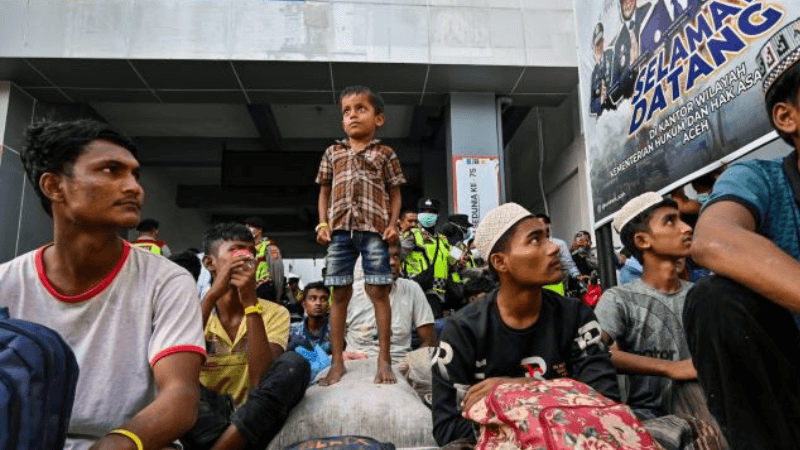
Rohingya refugees in Indonesia, escaping persecution in Myanmar, are confronted with a new menace – a surge of online hate speech and demonization on social media platforms. Fabricated tales, harmful stereotypes, and even calls for violence are proliferating, creating a hostile digital landscape and jeopardizing the safety of this vulnerable community.
Social media is inundated with fake news and concocted stories portraying Rohingya as criminals, terrorists, and economic burdens. These claims, often lacking evidence, readily fuel existing prejudices and anxieties. Rohingya are frequently dehumanized and depicted as "others" who threaten Indonesian culture and identity. This fosters a dangerous "us vs. them" mentality, fueling intolerance and discrimination. Inflammatory language, hateful comments, and even calls for violence against Rohingya are widely shared on social media platforms. These unchecked expressions of animosity further normalize prejudice and embolden those with extremist views.
The consequences of online demonization are tangible and far-reaching for Rohingya in Indonesia. Negative portrayals online translate into discrimination in everyday life. Rohingya face difficulties in finding employment, accessing education, and interacting with local communities due to the stigma associated with their identity. Online hate speech often spills over into offline violence. Rohingya communities have reported incidents of harassment, intimidation, and even physical attacks fueled by online incitement. Constant exposure to negativity and hostility takes a toll on the mental health of Rohingya refugees. Feelings of fear, anxiety, and isolation are common, hindering their ability to integrate and rebuild their lives.
Despite the challenges, efforts are underway to combat online hate speech and protect Rohingya communities. Independent organizations are working to debunk misinformation and expose fake news circulating online. These efforts provide accurate information and challenge harmful narratives. Local and international NGOs are raising awareness about the plight of Rohingya and urging social media platforms to take stronger action against hate speech. Interfaith dialogue and cultural exchange programs aim to bridge the gap between Rohingya and Indonesian communities, fostering understanding and mutual respect.
The demonization of Rohingya on Indonesian social media is a complex issue with serious consequences. Addressing it requires a multi-pronged approach.
Social media platforms must intensify efforts to remove hate speech, fake news, and harmful content targeting Rohingya. Educating users about how to identify and challenge misinformation online is crucial in reducing the spread of harmful narratives.Empowering local organizations working to combat online hate speech and promote peaceful coexistence is essential. The Rohingya have already endured unimaginable suffering. Ignoring their plight online adds another layer of injustice and risks perpetuating violence and discrimination. Acknowledging the problem, holding platforms accountable, and actively promoting inclusivity can help ensure a safe and welcoming online space for all, even the most vulnerable among us.
The resurgence of the Rohingya issue in Indonesia gained momentum following their arrival on the coast of Aceh, including Sabang, Pidie, and Bireuen, in mid-November 2023. The continuous influx of refugees, however, has not been balanced with local resources in Aceh, particularly concerning overcrowded conditions in the shelters, leading to widespread rejection in the region. This rejection is based on perceptions and experiences that label many Rohingya ethnicities as having poor morals. It is also evident on various social media platforms, where Rohingya are portrayed and demonized through negative narratives, often depicted as disrespectful, ungrateful, and not adhering to societal norms.
The demonization of Rohingya in Indonesia commenced with the circulation of videos and content depicting Rohingya refugees displaying alleged disrespectful behavior, such as wasting food aid. Social media and online news created a narrative that Rohingya came to Indonesia illegally and worsened by their non-compliance towards local customs, regulations, and norms. This article analyzes how these negative narratives function as a form of demonization and examines their impacts. It explores the methods through which misinformation and disinformation are disseminated on social media, contributing to the marginalization and persecution of the Rohingya community.
BOB Post