In a bid to reclaim their homeland, Rohingya refugees in Bangladesh’s sprawling camps are stepping up efforts to support armed resistance against Myanmar's military. Many have embraced this fight after enduring years of statelessness, violence, and limited international intervention.
After facing ethnic violence in Myanmar, hundreds of thousands of Rohingya refugees fled to Bangladesh, among them Rafique, who escaped in 2017. However, in July of this year, Rafique returned to Myanmar. From the world’s largest refugee camp in southern Bangladesh, he boarded a small boat to cross into Myanmar, aiming to join the ongoing civil war there.

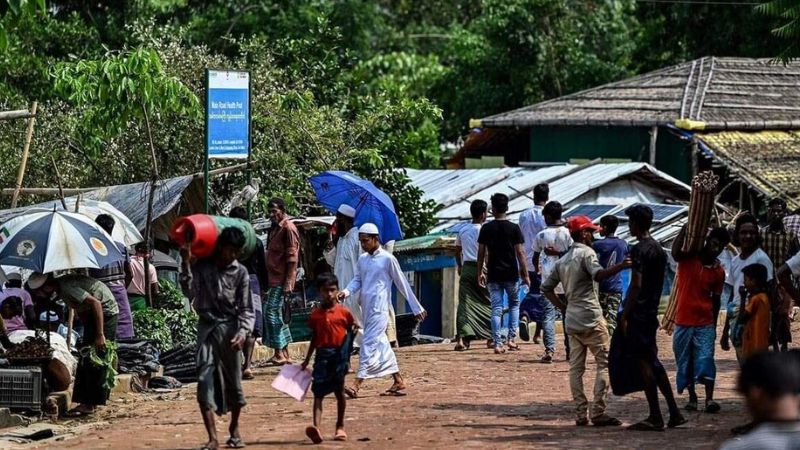
The 32-year-old Rafique is one of thousands of Rohingya rebels who currently reside in the Cox’s Bazar refugee camps, which host over a million Rohingya refugees. Speaking to Reuters, Rafique shared his determination: “We must continue to fight to reclaim our land.” He joined Rohingya rebel groups in Myanmar and fought until he was injured by a gunshot wound. According to him, the Rohingya have no option but to fight.
Stateless and Struggling
The Rohingya are one of the world's largest stateless groups. Many fled to Bangladesh starting in 2016 to escape Myanmar’s ethnic violence, which the UN has labeled as genocide.
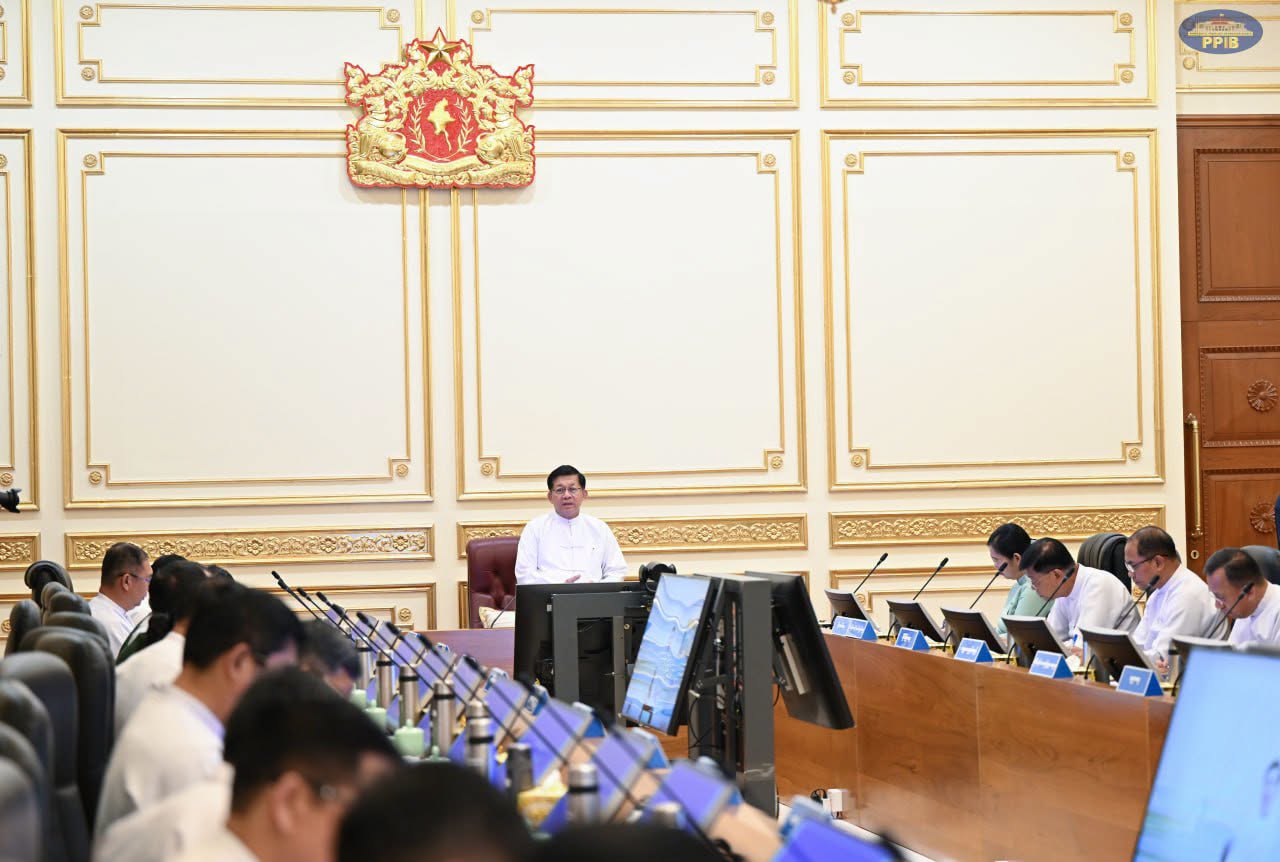
Myanmar's 2021 military coup, which ousted pro-democracy leader Aung San Suu Kyi, plunged the country into civil war. Rebel groups in Myanmar began armed resistance against the junta, and many Rohingya have reportedly joined or been coerced into fighting on the junta's behalf. Much of Myanmar’s Rakhine State, the Rohingya's homeland, is now controlled by the Arakan Army, a prominent rebel group.
According to Reuters, thousands of Rohingya fighters are believed to have joined the conflict, with estimates ranging from 3,000 to 5,000. Interviews with 18 sources, including four Rohingya fighters, two facilitators, and several experts, reveal growing militancy within the refugee camps.
Incentives and Recruitment
The Myanmar military has reportedly offered Rohingya fighters’ financial incentives, citizenship, and other benefits. Meanwhile, the Arakan Army has clashed with Rohingya groups like the Rohingya Solidarity Organization (RSO) and the Arakan Rohingya Salvation Army (ARSA).

Abu Afna, a former Rohingya fighter who was captured by the junta, described his conflicting emotions: “While fighting for the junta, I felt like I was becoming one of the oppressors who raped and killed our mothers and sisters.” He stated that many Rohingya fighters are lured by the promise of citizenship, a right they have been denied despite living in Myanmar for generations.
Camps Turn to Conflict
Experts have warned that the rise of armed groups in the Cox’s Bazar camps could destabilize Bangladesh. Professor Shahab Enam Khan of Jahangirnagar University noted that while groups like RSO and ARSA may not enjoy broad support, the proliferation of weapons and trained fighters poses a security risk.
The camps, where 30,000 children are born annually under dire conditions, have become hotspots for crime and recruitment into militant groups. According to rights groups, some Bangladeshi officials and individuals are also involved in facilitating the movement of Rohingya rebels across the border.
International Concerns
Bangladesh’s attempts to mediate peace between the Arakan Army and the Rohingya rebels have failed, exacerbating tensions. The deteriorating security in the camps has hindered humanitarian efforts, with armed groups using violence, extortion, and intimidation.
John Quinley, director of Fortify Rights, stated that violence in the camps has reached its highest levels since their establishment in 2017, with over 60 killings reported this year. International funding for Rohingya refugees is also depleting, prompting warnings from organizations like the Norwegian Refugee Council.
While Bangladesh’s government has expressed concern about rising militancy, international observers caution against the cycle of violence escalating further. A durable solution to the Rohingya crisis, they argue, lies in inclusive political reforms in Myanmar and sustained global pressure on its military regime.
BOB Post