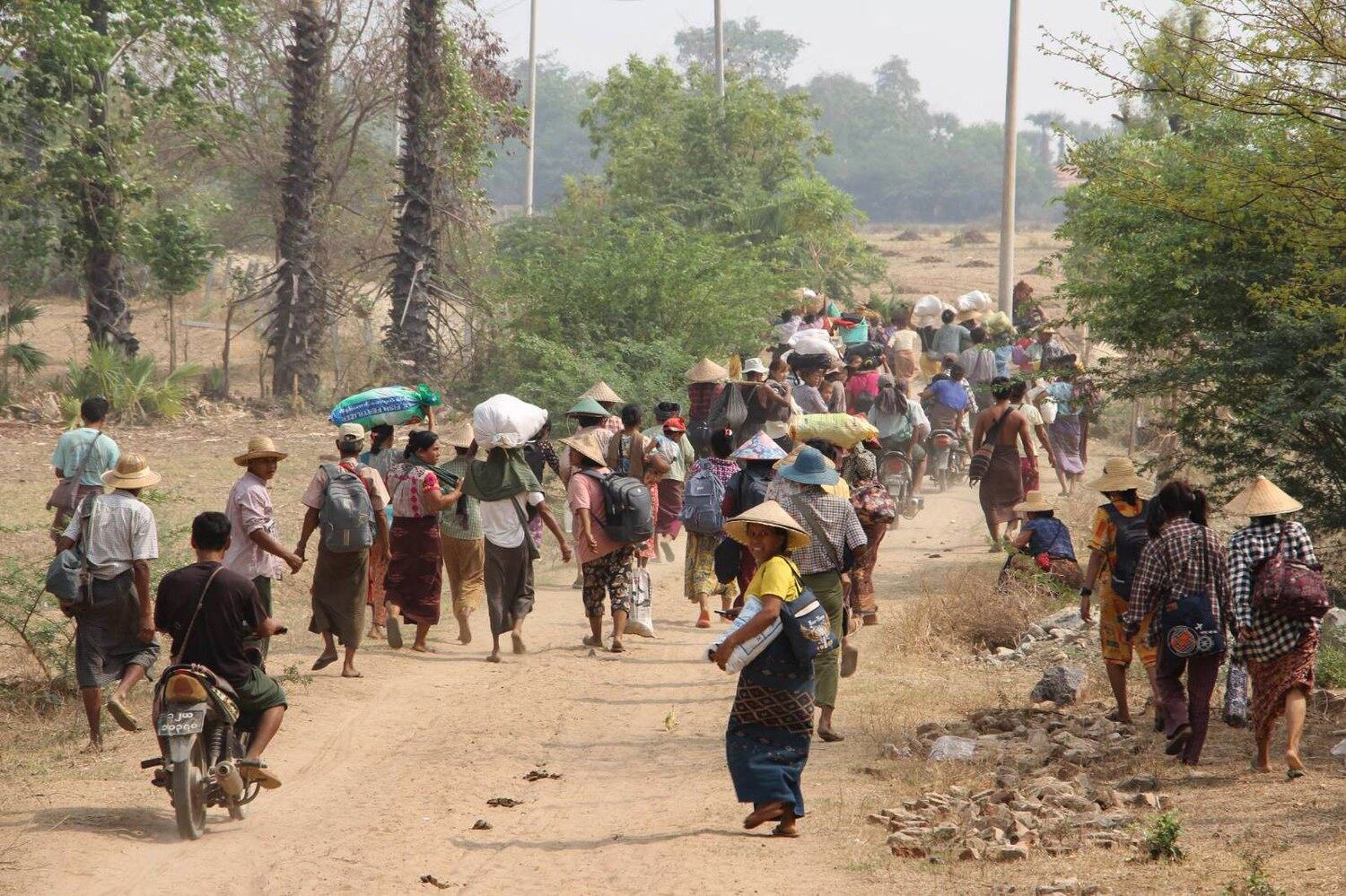
There is growing concern along the border areas of Cox's Bazar about a potential new influx of Rohingya refugees into Bangladesh, as violence intensifies in Myanmar's Rakhine State. The recent escalation of attacks on the Muslim ethnic group has driven thousands of Rohingya to flee towards Bangladesh.
Reports from relatives of those already living in the refugee camps in Cox's Bazar suggest that thousands of Rohingya are awaiting entry into Bangladesh. These individuals have fled the ongoing conflict between the Arakan Army and Myanmar's military, enduring brutal assaults from both sides.
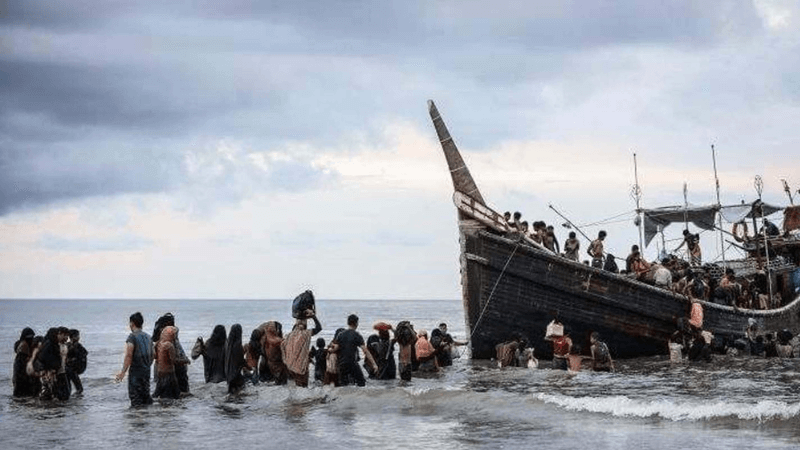
The Daily Star reported on August 7 that at least 31 Rohingya refugees drowned in the Naf River and the Bay of Bengal's estuary after two boats capsized while attempting to reach Bangladesh from Rakhine. The bodies were recovered on August 5 and 6 and were subsequently buried by locals in Teknaf, a border town on the Bangladeshi side.
These tragic incidents underscore the desperation of the Rohingya people, who are willing to undertake perilous journeys by sea to seek refuge in Bangladesh.
In response to the situation, Border Guard Bangladesh (BGB) has intensified patrols near the Naf River in Cox’s Bazar’s Teknaf upazila to prevent further crossings. On August 9, Médecins Sans Frontières (MSF) reported that, in the four days leading up to August 7, their teams in Cox's Bazar treated 39 Rohingya refugees for injuries sustained in violence. Many of these injuries were from mortar shells and gunshots, further highlighting the deteriorating humanitarian situation in Rakhine.
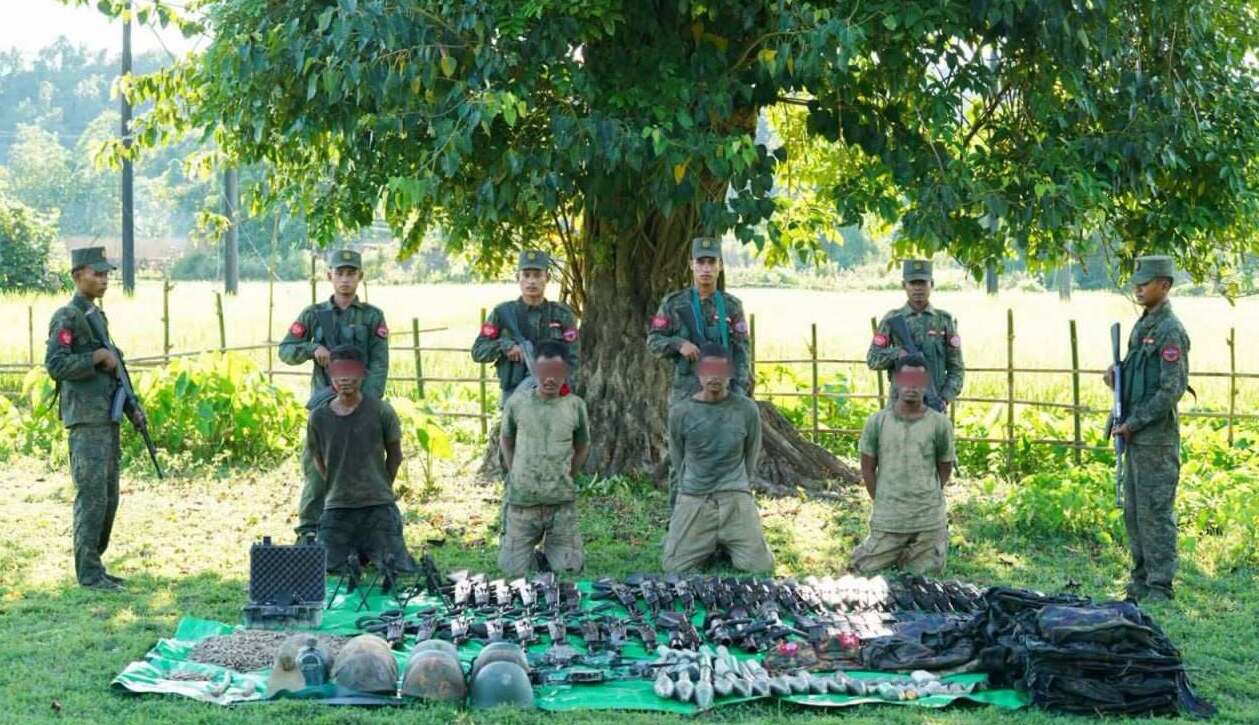
Reuters, citing several witnesses, reported on August 10 that a drone attack targeted Rohingya people fleeing Myanmar, killing dozens, including families with children. The report stated, "Four witnesses, activists, and a diplomat described drone attacks on Monday (August 5) that struck down families waiting to cross the border into neighboring Bangladesh. Three of the witnesses told Reuters on Friday that the Arakan Army was responsible, allegations the group denied. The militia and Myanmar's military blamed each other."
According to Kamal Hossain, chairman of FDMN RC, a Rohingya rights organization working in the camps, many Rohingya have already entered Bangladesh and are residing in various camps in Teknaf. "They have been facing extreme scarcity of food and other essentials since they entered Bangladesh illegally," he stated. "Thousands of Rohingya people are still waiting on the bank of the Naf River and other nearby places in Maungdaw township in Rakhine to enter Bangladesh as the situation has gotten severe."
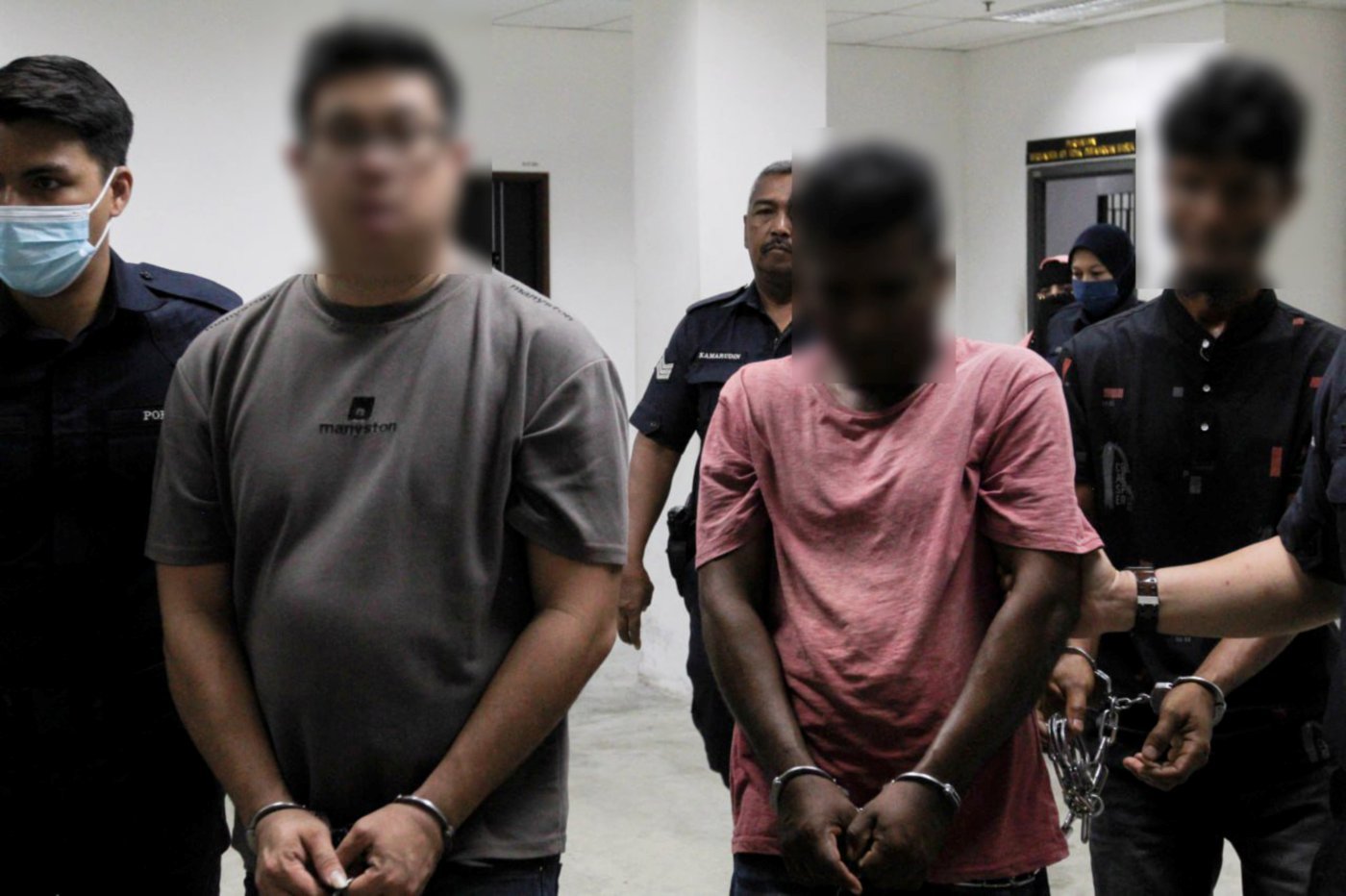
A local public representative, who wished to remain anonymous, noted that there is no way for boats from Myanmar to enter Bangladeshi waters. However, some Bangladeshi boats involved in smuggling fuel and other items to Myanmar are reportedly bringing Rohingya refugees into Bangladesh, along with contraband such as yaba and crystal meth.
Concern is growing among locals in Teknaf about the possibility of a new influx of Rohingya refugees. On the previous day, the Anti-Discrimination Student Movement in Teknaf organized a human chain in the upazila, demanding a halt to any form of Rohingya infiltration into Bangladesh.
Ziaur Rahman Zihad, chairman of Teknaf Sadar Union, expressed the worries of his community, stating that residents are alarmed by reports of Rohingya infiltration and fear a further decline in the already deteriorating law and order situation in the area, following the 2017 Rohingya influx.
Lt Colonel Mohiuddin Ahmed, commanding officer of the BGB battalion in Teknaf, assured that the BGB is maintaining vigilance along the Naf River and the land border using modern technology to prevent any form of infiltration. He mentioned that several boats carrying Rohingya refugees have already been turned back.
Lt Commander Suaib Bikash, media officer of Coast Guard East Zone, added that they have increased patrols in the Bay of Bengal to prevent any illegal entry into Bangladesh.
BOB Post