

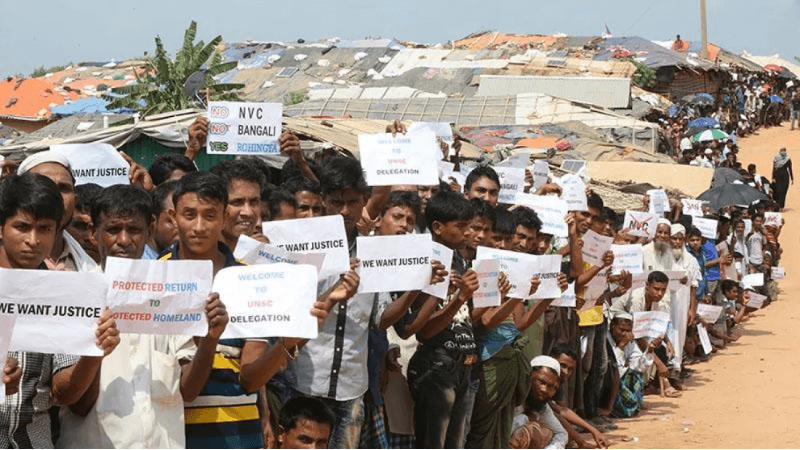


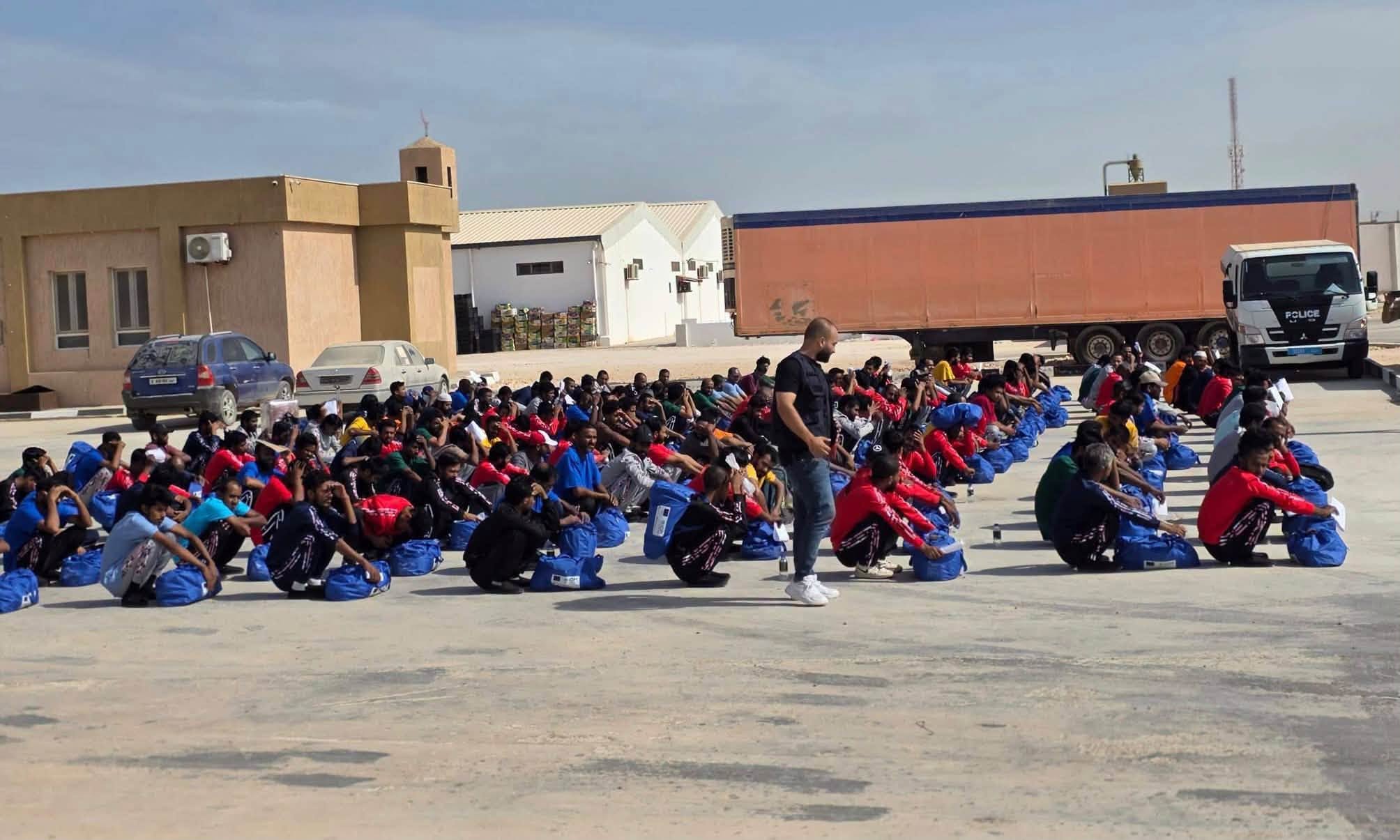


The failure to repatriate the 1.2 million Rohingya refugees residing in Bangladesh holds dire consequences for not only the refugees themselves but also for the stability and security of the region. From potential radicalization and regional instability to humanitarian crises and diplomatic tensions, the ramifications of a prolonged impasse paint a bleak picture for Bangladesh, Myanmar, and even neighboring Indonesia.
For Bangladesh, which has borne the brunt of the Rohingya refugee crisis for over seven years, a failed repatriation would mean an indefinite strain on its resources and infrastructure. The cramped and squalid conditions in the refugee camps are already breeding frustration and despair, creating fertile ground for radicalization and potential outbreaks of violence. The economic burden of hosting such a large population is immense, diverting resources from Bangladesh's own development priorities. Moreover, the influx of refugees has heightened social tensions within the host communities, raising fears of further unrest and instability.
On the other hand, Myanmar risks further international isolation and economic sanctions if it fails to address the Rohingya crisis adequately. The international community has already condemned the atrocities committed against the Rohingya and imposed limited sanctions on the military junta. Continued inaction could lead to harsher measures and damage Myanmar's already fragile legitimacy on the global stage. Domestically, Myanmar's internal conflicts could escalate as ethnic and religious tensions rise. The Rohingya's plight has galvanized support for armed resistance groups seeking autonomy or independence. Additionally, the junta's failure to resolve the crisis could undermine its control over the country, potentially leading to further political instability and violence.
Although geographically distant, Indonesia, the world's most populous Muslim-majority nation, has a vested interest in the Rohingya crisis. The potential for radicalization within the refugee camps raises concerns about cross-border terrorism and extremism. Furthermore, Indonesia, with its large Rohingya diaspora population, faces the risk of social unrest and reputational damage if it is seen as not doing enough to help its fellow Muslims. This could strain Indonesia's relationship with both Bangladesh and Myanmar, further complicating regional cooperation on the issue.
The most immediate consequence of a failed repatriation would be a worsening humanitarian crisis within the refugee camps. Overcrowding, inadequate sanitation, and limited access to healthcare services have already created dire conditions. A prolonged stalemate could lead to outbreaks of disease, malnutrition, and even death, especially among vulnerable children and elderly refugees. The failure to find a solution to the Rohingya crisis could also exacerbate existing diplomatic tensions between Bangladesh and Myanmar. Both countries blame each other for the impasse, with Bangladesh repeatedly urging Myanmar to create conditions conducive to repatriation, while Myanmar accuses Bangladesh of exaggerating the crisis and politicizing the issue.
These tensions could spill over into other areas of bilateral relations, hindering regional cooperation on issues such as trade, border security, and water resource management. Additionally, the international community's frustration with the lack of progress could lead to increased pressure on both countries, further straining their relationships with the global community.
To avoid these disastrous consequences, all stakeholders must urgently step up efforts to find a durable solution to the Rohingya crisis. Myanmar must demonstrably commit to improving the security and human rights situation in Rakhine state, addressing the root causes of the conflict, and creating conditions conducive to the safe and dignified return of refugees. The international community, led by the UN and regional organizations like ASEAN, must exert sustained pressure on Myanmar to uphold its international obligations and hold it accountable for its human rights abuses. Bangladesh, while continuing to provide temporary refuge and humanitarian assistance to the Rohingya, must work closely with the international community to ensure a lasting solution is found. This includes advocating for the Rohingya's right to return, documenting human rights violations, and exploring alternative resettlement options if repatriation remains unlikely in the foreseeable future.
BOB Post