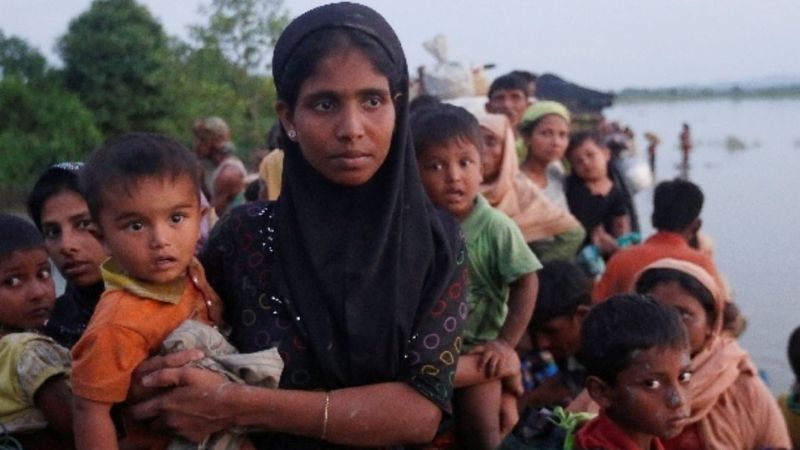
In a bid to address the protracted Rohingya refugee crisis, Dhaka has advocated for the establishment of safe zones in Myanmar’s Rakhine State, an idea first proposed by Sheikh Hasina and now championed by Muhammad Yunus. On the surface, the proposal seems promising: creating secure areas for Rohingya refugees to return home could ease the immense burden on Bangladesh. However, experts warn that the vision is fraught with challenges and risks, echoing the failures of similar initiatives in the past.
Historical Lessons of Failure
The concept of safe zones has a troubled history. In Rwanda and Bosnia, they became sites of atrocity rather than sanctuary. Rwanda’s UN-designated safe zones in 1994 failed to prevent the genocide that claimed hundreds of thousands of lives due to inadequate mandates and poorly-equipped peacekeepers. Similarly, the Srebrenica massacre of 1995 in Bosnia saw over 8,000 Muslim men and boys slaughtered in a UN-declared safe zone, exposing the fatal flaws of such measures without robust enforcement and resources.
Rakhine’s Volatile Reality
The situation in Rakhine is even more precarious. It is a conflict-ridden region where the Myanmar military, the Arakan Army (AA), and armed Rohingya groups like the Arakan Rohingya Salvation Army (ARSA) vie for control. While some suggest the AA could administer these zones, its history of hostility toward the Rohingya — including violence and displacement — makes it an untrustworthy protector for the community.
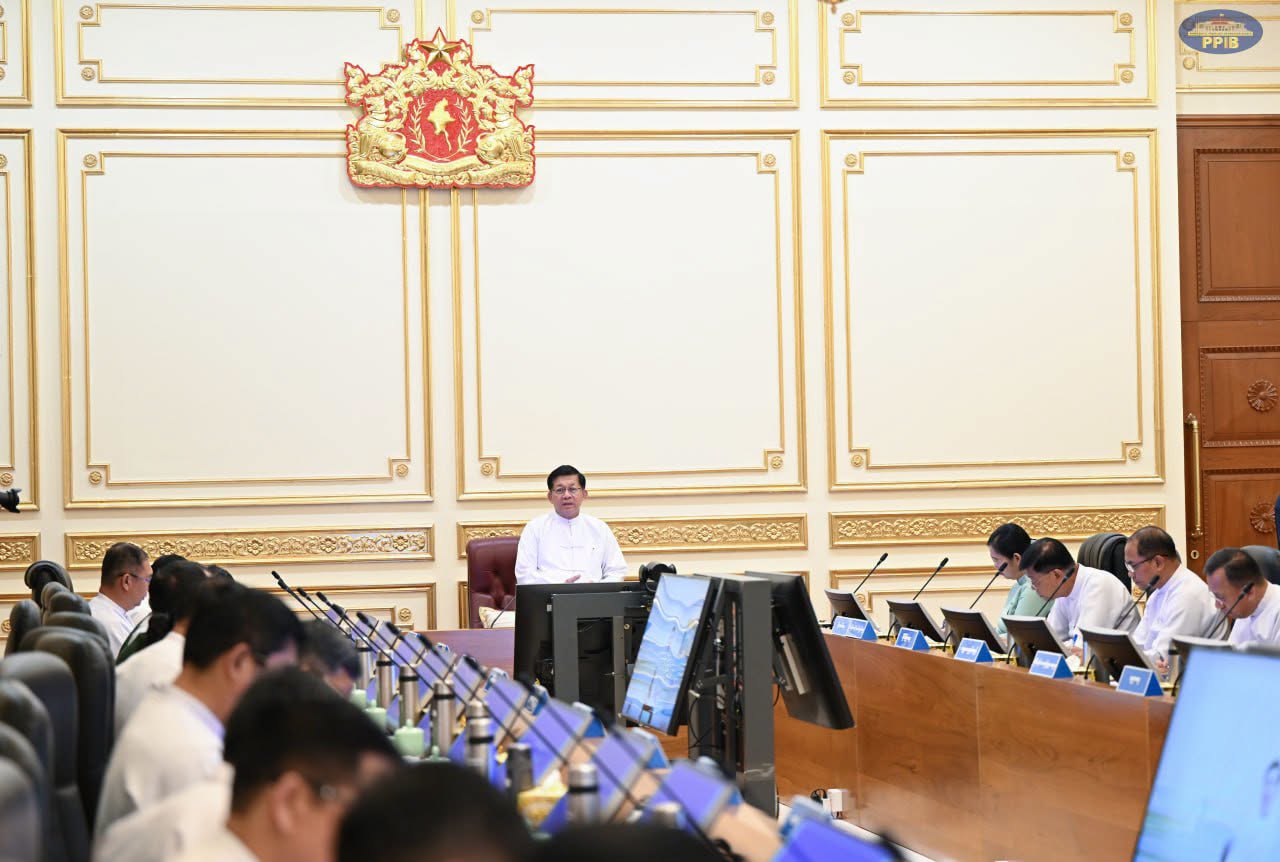
Furthermore, Myanmar’s military junta, deeply entrenched and fiercely protective of its sovereignty, is unlikely to permit any force to oversee such zones. The junta’s history of obstructing humanitarian aid adds another layer of complexity, raising fears that safe zones could become overcrowded, under-resourced enclaves resembling the refugee camps of Cox’s Bazar in Bangladesh.
Diplomatic Gesture or Practical Policy?
Bangladesh’s advocacy for safe zones appears more symbolic than practical. It signals Dhaka’s proactive stance and keeps the Rohingya crisis on the international agenda. However, critics argue that this approach risks deepening the crisis. Failed safe zones could exacerbate violence, push disillusioned refugees back into Bangladesh, and worsen the strain on the host nation.
Alternative proposals, such as creating a humanitarian corridor under AA control, are equally contentious. These ideas lack legitimacy among the Rohingya and could be weaponized by the AA for political leverage, further alienating the displaced community.
A Rights-Based Approach to Resolution
Experts stress that the focus must shift from impractical safe zone proposals to addressing the root causes of the crisis. This includes pressuring Myanmar to restore citizenship, ensure basic rights, and end military impunity. The international community must back these demands with tangible consequences for non-compliance.
At the same time, Bangladesh needs increased international support to manage the current refugee situation. Financial aid, infrastructure development, and programs for education and livelihoods are vital to sustain the Rohingya community while long-term solutions are pursued.
The Path Forward
The Rohingya crisis demands a realistic, rights-based approach that prioritizes safety, dignity, and justice. Safe zones, while seemingly appealing, are illusory solutions that risk further catastrophe. For the Rohingya, the path to a secure future lies in meaningful international action and a commitment to addressing the fundamental issues that drove them from their homeland. Only then can the promise of a safe and dignified return become a reality.
BOB Post