The United Nations High Commissioner for Refugees (UNHCR) has reported a shocking surge in Rohingya deaths at sea, marking 569 confirmed casualties in 2023. This grim toll represents the highest number recorded in nine years, shedding light on the desperate plight of the persecuted Rohingya ethnic minority as they attempt perilous sea journeys to escape persecution in Myanmar.
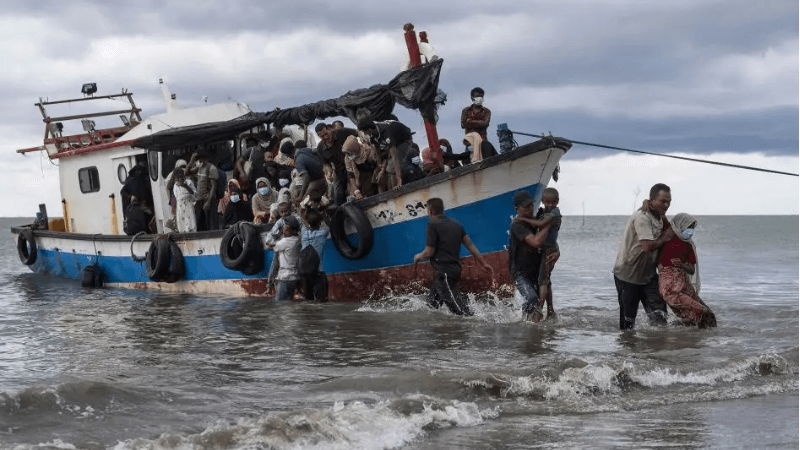
The Rohingya, a Muslim community subjected to systematic discrimination and violence in Myanmar, have long undertaken hazardous sea voyages in search of safety and refuge. Fleeing brutal crackdowns and dire conditions in overcrowded camps within Myanmar, many embark on rickety boats operated by ruthless smugglers, often enduring harrowing conditions and risking their lives at the hands of traffickers and pirates.
Volker Türk, the UN High Commissioner for Refugees, expressed deep concern, stating, “The tragic rise in deaths at sea is a stark reminder of the immense suffering endured by the Rohingya. These desperate journeys are often driven by a lack of safe and legal pathways for the Rohingya to escape persecution and find protection.”
The UNHCR report outlines the myriad dangers faced by Rohingya seafarers, including overcrowded boats, inadequate food and water, exposure to harsh weather conditions, violence, and exploitation by smugglers, such as physical abuse, sexual assault, and forced labor. The perilous journey across the Andaman Sea and Bay of Bengal during monsoon season poses an additional risk of drowning.
The alarming increase in Rohingya deaths at sea is attributed to several key factors. The recent military coup in Myanmar has intensified violence and further restricted the movement of the Rohingya, compelling more individuals to seek escape through perilous sea journeys. Additionally, the lack of safe and legal resettlement opportunities within Myanmar and neighboring countries forces many Rohingya to resort to these dangerous voyages. Unscrupulous smugglers exacerbate the crisis by exploiting the desperation of the Rohingya, charging exorbitant fees and exposing them to risks in overcrowded and unseaworthy boats. The UNHCR urgently calls on the international community to address the root causes of this crisis, including increased pressure on Myanmar to end persecution, providing more resettlement opportunities for the Rohingya, and concerted efforts to dismantle smuggling networks and hold perpetrators accountable.
This year's toll of 569 deaths is a distressing milestone, with the Andaman Sea and Bay of Bengal emerging as one of the deadliest stretches of water globally. The UNHCR spokesperson, Matthew Saltmarsh, emphasized, “Estimates show one Rohingya was reported to have died or gone missing for every eight people attempting the journey in 2023.”
The Rohingya crisis dates back to the brutal crackdown by the Myanmar military in 2017, which led to hundreds of thousands of Rohingya seeking refuge in crowded camps in Bangladesh. The International Court of Justice is currently examining this crackdown as a potential genocide case. While hundreds of thousands of Rohingya remain in Bangladesh, others attempt the perilous sea journey in search of safety, with Malaysia being a coveted destination. However, both Malaysia and Indonesia, not signatories to the UN Convention on Refugees, pose significant challenges for those seeking refuge, as they are considered undocumented migrants at risk of harassment, detention, or deportation.
In November and December of last year, over 1,500 Rohingya landed on the northern tip of Indonesia's Sumatra island. However, in a disturbing shift, villagers and the military in the region pushed the boats back out to sea, denying the refugees access to land despite the appalling conditions on board. Tragically, some 200 people were feared to have drowned after their boat sank in the Andaman Sea during these events.
BOB Post