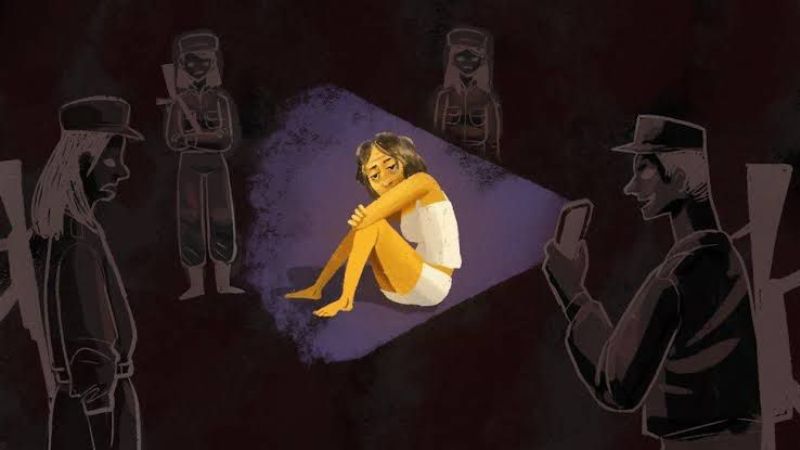
In the shadows of Myanmar’s brutal civil war, sexual violence has become a horrifying weapon wielded by the military against the most vulnerable: women, children, and even men. The scars of this violence run deep, yet justice remains a distant hope, shackled by the military’s impunity and a crippled legal system.
This year, the United Nations shone a light on a staggering increase in global conflict-related sexual violence, verifying 3,688 cases—a 50% rise from the previous year. But these numbers barely scratch the surface of the true scale of suffering. In its April report, the UN pointed to familiar hotspots of violence like Congo and Sudan, but also drew attention to Myanmar, where the issue has been tragically overlooked.
Myanmar’s history is marred by decades of military rule and ethnic strife, and sexual violence has long been a tool of oppression. Women and girls are the primary targets, though men and boys aren’t spared. The military’s brutal 2017 campaign against the Rohingya Muslim minority was a turning point, described by the UN as a “textbook example” of ethnic cleansing, marked by widespread sexual assaults. Refugee camps in Bangladesh became havens for survivors bearing unimaginable trauma. Medics reported treating countless women, many of them girls, who had been brutally violated.
Fast forward to the aftermath of the 2021 coup, and the situation has only deteriorated. Reports of rape and sexual violence have surged, with female political activists often in the crosshairs. The UN has raised alarms about the heightened risks faced by women, girls, and transgender individuals, particularly when they encounter military checkpoints. Naw Hser Hser, a human rights activist, delivered a chilling statement to the UN Security Council, describing sexual violence as the military’s “modus operandi.”
While the Tatmadaw—the notorious Myanmar military—is the primary perpetrator, there have been disturbing reports implicating other armed groups, including the People’s Defence Force. The horrors go beyond physical assaults; women have received gut-wrenching demands for sexual favors in exchange for their husbands’ lives, kidnapped by armed actors.
The road to justice is steep and fraught with obstacles. Despite being recognized as a war crime under international law, the prosecution of sexual violence remains a distant dream in Myanmar. UN special representative Pramila Patten expressed frustration, noting that “far too many perpetrators of wartime sexual violence still walk free, while women and girls walk in fear.” In Myanmar, where the military controls the judiciary, expecting justice from domestic institutions is not just unrealistic—it could even bring more danger to those seeking it.
Sanctions from the international community have been imposed on Myanmar’s military, but these measures have barely made a dent. What’s desperately needed is a continuous effort to collect evidence, ensuring that when the time comes, justice can be served in international courts. Local women’s organizations are at the forefront of this fight, working in dangerous and resource-poor conditions to document these crimes. The UN’s Independent Investigative Mechanism for Myanmar, established in 2018, also plays a crucial role in this effort.
But the challenges are immense. Access to conflict zones is severely restricted, civilian displacement is widespread, and frequent power and internet outages make communication and documentation a nightmare. Adding to these hurdles is the profound shame and stigma that many survivors feel, making it even harder for them to come forward.
For the international community, the path forward involves more than just collecting evidence. Building strong partnerships with local actors, providing them with the tools and knowledge they need, and ensuring that survivors have access to vital health services and psychological support must be at the center of humanitarian efforts. Advocacy at regional levels, particularly within ASEAN, is also crucial. Only through sustained, collective action can the tide of sexual violence in Myanmar be turned, and the survivors given the justice and support they so desperately need.
BOB Post