Sri Lanka has embarked on a significant tax hike, imposing an 18% Value Added Tax (VAT) on fuel, mobile phones, computers, and essential goods, effective January 2nd. The move aims to bolster the nation's finances as it grapples with an acute economic crisis and seeks an International Monetary Fund (IMF) bailout to restructure its colossal $46 billion foreign debt. The tax increase comes in the wake of months of economic turmoil marked by soaring inflation, fuel shortages, and a severe foreign exchange crisis. Sri Lanka defaulted on its foreign debt in April 2022, exacerbating the already dire situation. President Ranil Wickremesinghe, who assumed office in July 2022, defended the tax hike as a "necessary evil" to stabilize the economy and secure the IMF deal.
The IMF rescue package, currently under negotiation, mandates stringent economic reforms, including tax hikes and government spending cuts. President Wickremesinghe emphasized the imperative of securing the IMF deal, stating that the alternative could lead to hyperinflation and a complete economic collapse. The tax hike is a critical component of Sri Lanka's efforts to meet the conditions set by the IMF.
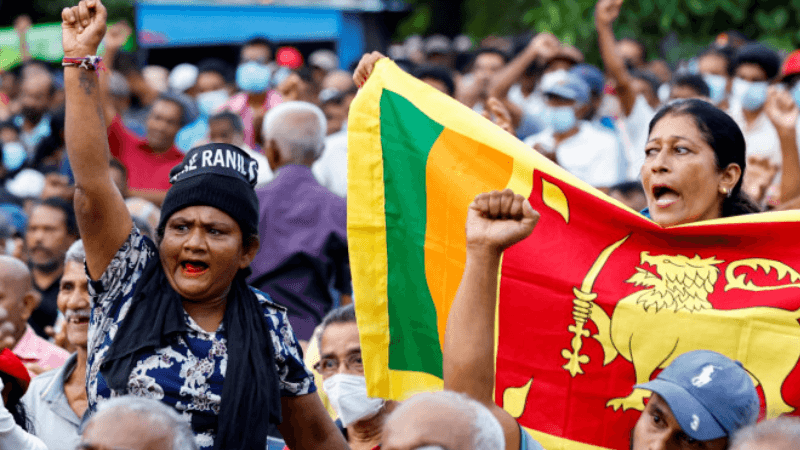
The tax hike has faced widespread public criticism, with trade unions, consumer groups, and opposition parties condemning the move. Critics argue that the tax increase disproportionately burdens ordinary citizens already grappling with economic challenges. The Sri Lanka Chamber of Commerce expressed concerns, stating that the tax hike could discourage businesses and hinder the country's economic recovery.
While securing the IMF deal is crucial for accessing vital funding and restructuring debt, imposing austerity measures risks fueling public discontent and social unrest. The success of the bailout also depends on Sri Lanka's ability to attract new foreign investment and boost exports amidst dwindling confidence in the economy. The economic crisis has taken a toll on Sri Lanka's population, with millions struggling to afford basic necessities like food and medicine. International humanitarian organizations, including the United Nations, have warned of a worsening situation, highlighting the increased risks of malnutrition and disease. International aid remains crucial to addressing the immediate humanitarian needs of the most vulnerable communities.
While the tax hike represents a significant step towards securing the IMF deal, Sri Lanka's road to recovery remains long and arduous. Success will hinge on effective implementation of reforms, political stability, and external support. The coming months will be critical as the nation grapples with immediate economic difficulties while charting a sustainable path towards recovery and long-term prosperity.
BOB Post