Indonesia, known for its vibrant music scene, is witnessing a convergence of politics and music as presidential and vice-presidential candidates incorporate popular musicians into their election campaigns. The latest instance involves the iconic rock band Slank, which has endorsed presidential candidate Ganjar Pranowo, adding a unique rhythm to the political landscape.
In the city of Medan, fans gathered for a Slank concert, not just for the music but as part of a political event linked to the visit of presidential hopeful Ganjar Pranowo and his running mate Mahfud MD. The fusion of music and politics is a tradition in Indonesian elections, where candidates seek to enhance their appeal and electability by aligning with well-loved musicians.
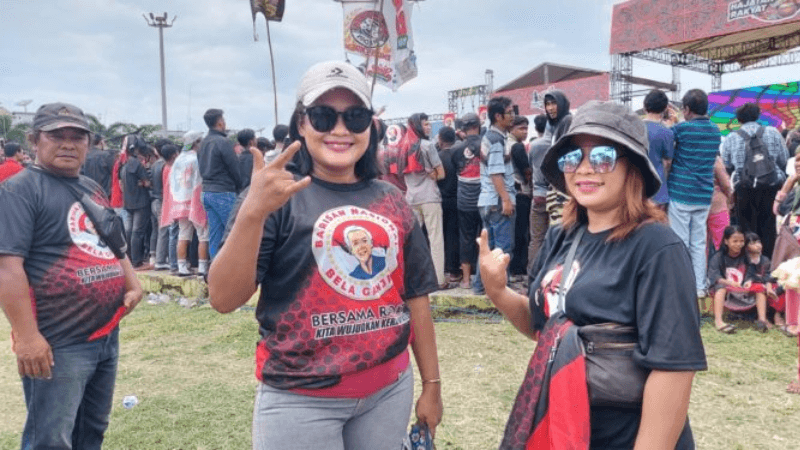
The concert, held at Istana Maimun, the palace of the Sultanate of Deli, attracted thousands of enthusiastic supporters, known as "Slankers," who relished both the electrifying performance and the political message conveyed. Slank's frontman, Kaka, urged the crowd to "spread the virus of peace across Indonesia," intertwining the musical experience with a political call.
According to Hikmawan "Indra" Saefullah, a former member of the indie band Alone at Last and now a lecturer in Indonesian Studies, the use of artists in political campaigns has been a longstanding strategy. However, determining its effectiveness is challenging, given the secrecy of voting.
The concert in Medan was orchestrated in collaboration with Ganjar Pranowo's visit, creating a seamless blend of music and politics. For some supporters, the alliance was natural, with fans expressing loyalty to Slank and, consequently, endorsing Ganjar and his party, the Indonesian Democratic Party of Struggle (PDI-P). The band's history of supporting political candidates, including President Joko Widodo in previous elections, has solidified its role in shaping political perceptions.
While fans like Johnny and Dian view Slank's alignment with Ganjar as a harmonious match due to shared values of social justice, not everyone in the crowd was swayed. Mulia, a communications student, attended the concert to enjoy Slank's music but remained undecided about his vote, highlighting the complex relationship between music, celebrity endorsements, and political choices.
Ganjar Pranowo's promises, including improvements in work-life conditions, salary raises, and addressing corruption issues, resonated with some attendees like Ratna and Lisa, market-sellers who emphasized the need for reasonable salaries amid rising living costs.
However, the integration of music and politics poses risks, as seen with supporters like Tio, who expressed willingness to vote for Ganjar based on Slank's endorsement. This dynamic suggests that musicians' support can significantly influence voters, emphasizing the delicate balance between genuine political engagement and the potential for sway based on musical allegiances.
As Indonesia's presidential election on February 14 approaches, the marriage of music and politics is expected to play a significant role in candidates' strategies. Whether these musical alliances translate into votes remains a nuanced aspect of the evolving political landscape in Indonesia.
BOB Post