As Sri Lanka emerges from the depths of a severe economic crisis, marked by a debt default and social turmoil two years ago, recent indicators suggest the nation's economy is tentatively on the path to recovery. Notably, year-on-year inflation plummeted from a staggering 70 percent to a mere 1.5 percent in October 2023, accompanied by a gradual decline in interest rates and a more stabilized national currency.
Various reports shows, after enduring seven consecutive quarters of negative growth, Sri Lanka saw a modest rebound with a 1.6 percent positive growth in the fourth quarter of 2023. However, the country's economic progress is now overshadowed by the impending presidential elections, leaving the future uncertain.
President Ranil Wickremesinghe, credited as the architect of this nascent recovery, has yet to disclose his plans as the nation approaches the pivotal 2024 elections. The Supreme Court's attribution of the crisis to the previous government led by former president Gotabaya Rajapaksa in November 2023 has shifted the focus to sustaining the recovery and choosing a leader capable of managing it effectively.
Despite positive economic indicators, challenges persist, including high external debt exposure, ongoing external debt restructuring negotiations, and falling export earnings. The article underscores the necessity for Sri Lanka to convince foreign creditors of its commitment to economic reform, especially with the economy still vulnerable to external shocks.
While the government's efforts to repair public finances under the Extended Fund Facility (EFF) with the International Monetary Fund (IMF) are noted, the average citizen continues to grapple with the repercussions of tax increases, market-based fuel pricing, and a welfare system overhaul. The looming elections add an additional layer of complexity to the economic recovery process, raising questions about the future direction of critical reforms.
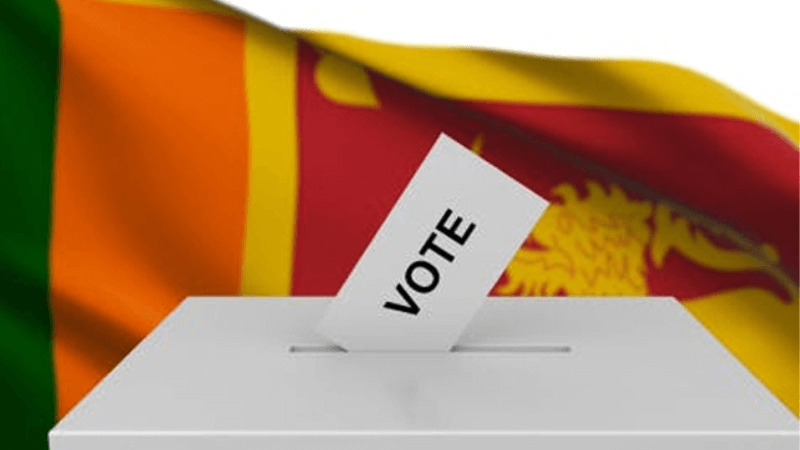
As Sri Lanka navigates its recovery path, the 2024 elections are poised to play a decisive role, with a focus not only on economic revival but also on strengthening institutions and governance mechanisms. The article concludes that uncertainties surrounding voter behavior and potential disruptions to policy initiatives may complicate the challenging journey ahead for Sri Lanka's recovery.
BOB Post