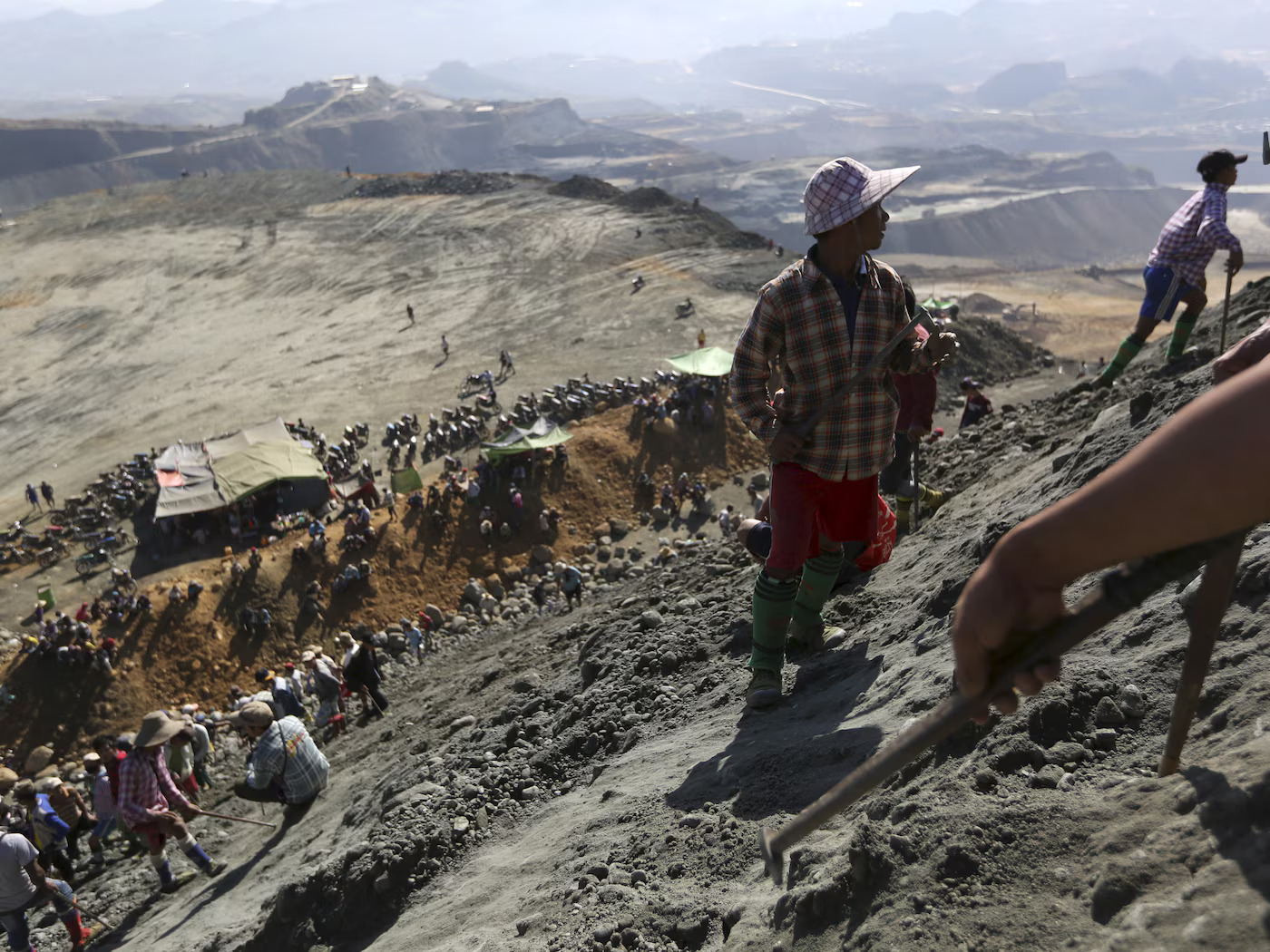
Myanmar’s multi-billion-dollar jade industry is increasingly fuelling the country’s civil war. The fight for control of the mines in Hpakant, Kachin State, has intensified since the military seized power in 2021.
The region holds the world’s richest deposits of high-quality jadeite. But much of the trade now operates outside official channels. Armed groups, military-linked businesses and Chinese buyers are competing for control of the lucrative industry.
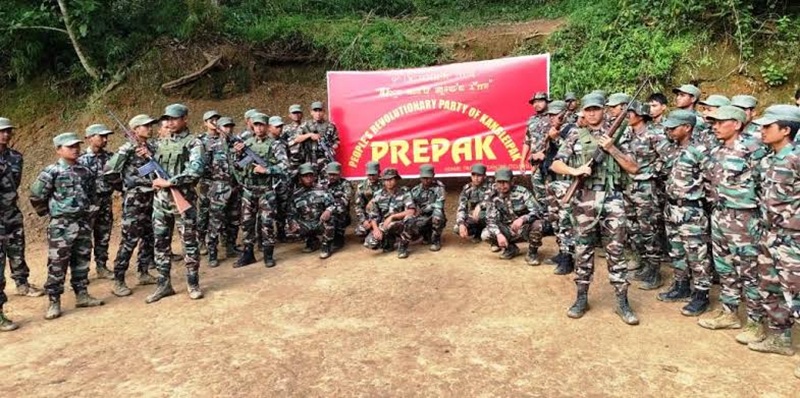
According to an ABC report, the Kachin Independence Army (KIA) and Myanmar’s military now control different parts of the Hpakant mining region. Surrounding areas remain contested. Jade is often transported to China through jungle routes, where drivers must pay fees at armed checkpoints along the way.
The scale of the trade is staggering. A 2015 Global Witness report estimated Myanmar’s jade industry could be worth up to $31 billion annually. Around 90 per cent of jade mined in Hpakant was reportedly smuggled into China.
But the billions generated by the industry have done little for local communities. Mining has destroyed hillsides, displaced families and left workers exposed to deadly landslides. Many small-scale Kachin miners have also lost access to their land as armed actors expand their control.
Despite fighting each other, the military and KIA have also been accused of benefiting from the same corrupt jade economy. Informal taxation and smuggling continue to generate revenue for powerful armed interests.
Rights groups are now calling for international restrictions on Myanmar's gemstone trade. They warn that jade purchases could help finance armed groups and military-linked businesses. Yet tracing the origin of individual stones remains difficult.
Myanmar’s jade wealth has become a source of power for armed actors rather than prosperity for its people. As the conflict deepens, the country's natural resources continue to feed a war economy at the expense of local communities.
BOB Post