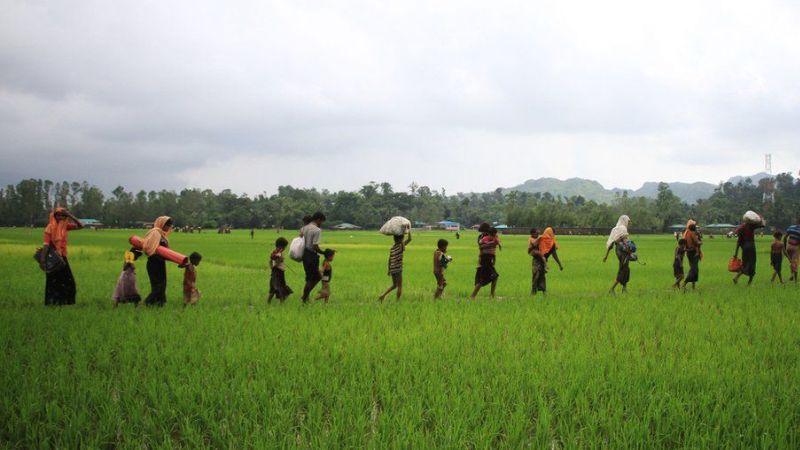
The violence in Myanmar’s Rakhine state has once again pushed thousands of Rohingya Muslims across the border into Bangladesh. According to Bangladeshi officials, around 8,000 Rohingyas have fled in recent months, escaping the escalating conflict between Myanmar's military junta and the Arakan Army, a powerful ethnic militia rooted in the Buddhist majority.
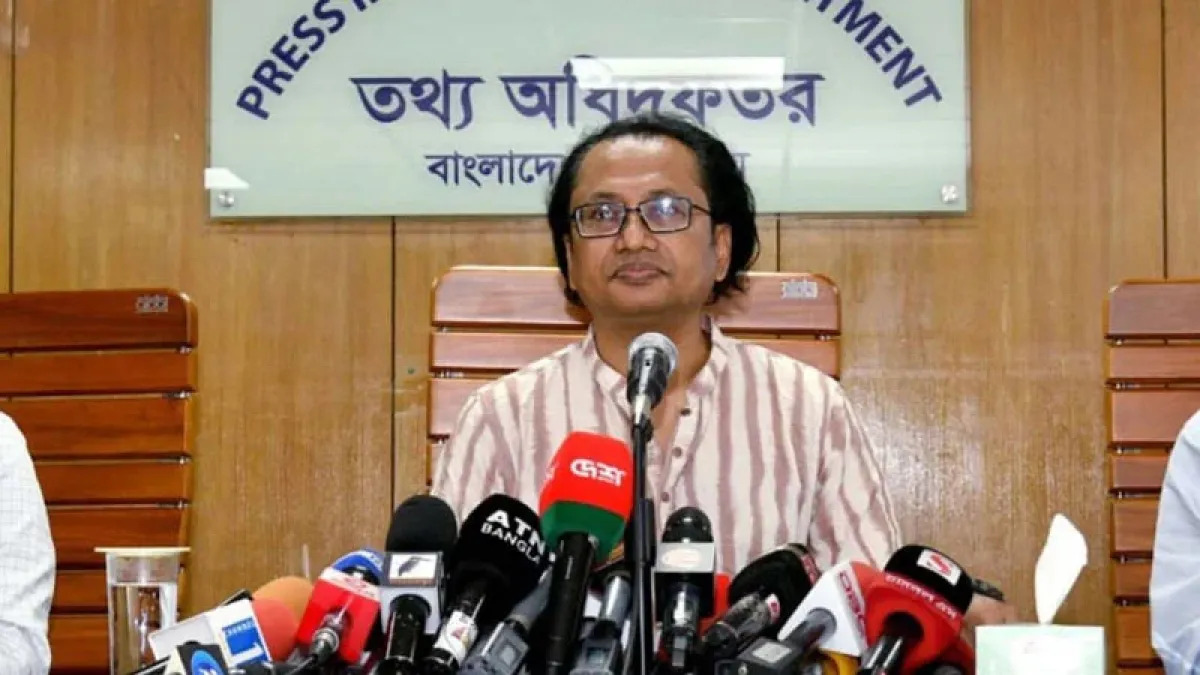
“We’ve received reports that roughly 8,000 Rohingya have crossed into Bangladesh, primarily over the past two months,” said Mohammad Shamsud Douza, a senior official overseeing refugee matters for the Bangladeshi government. His statement marks the first time the government has released an estimate of how many Rohingya have entered Bangladesh recently.
With the influx, Bangladesh is facing a new challenge. “The country is already struggling to support the Rohingya population here. We cannot take in more,” Douza said on Wednesday. The government is expected to address the crisis in an emergency cabinet meeting within the next few days, according to Bangladesh’s de-facto foreign minister, Mohammad Touhid Hossain.
“We feel for the Rohingya, but there’s simply no capacity left to offer shelter to more refugees,” Hossain explained to reporters late on Tuesday. He acknowledged the difficulty of sealing the border completely but noted that efforts would be intensified to prevent further crossings. “It’s not possible to fully close the border, but we will try to limit the influx.”
The rising violence in Rakhine, he said, is the worst since the infamous 2017 crackdown when the Myanmar military’s brutal campaign forced hundreds of thousands of Rohingya to flee. The UN had described that military action as genocidal, and today, over one million Rohingya remain stuck in overcrowded refugee camps in southern Bangladesh, stripped of any real hope of returning to Myanmar, where they are denied citizenship and basic human rights.
Many Rohingya who have recently escaped to Bangladesh are desperately appealing for help. One man, who fled with his wife and parents just last month, said they had no choice but to rely on relatives for shelter.
“How long can we live like this, crammed together in a small space? We’re pleading with the government to provide us with shelter and ensure we get food and basic assistance,” he said, his voice thick with frustration and fear.
Tens of thousands of refugees held rallies in the camps on August 25, marking the seventh anniversary of the 2017 crackdown. They gathered to demand an end to the violence and a chance to return to their homeland.
Hossain reiterated Bangladesh’s position that the nation cannot continue to bear the weight of this crisis alone. “We’ve made it clear that we can’t take in more refugees,” he told Reuters. He also called on other countries, particularly India, to step up and urged the international community to put more pressure on the Arakan Army to cease its attacks on the Rohingya.
BOB Post