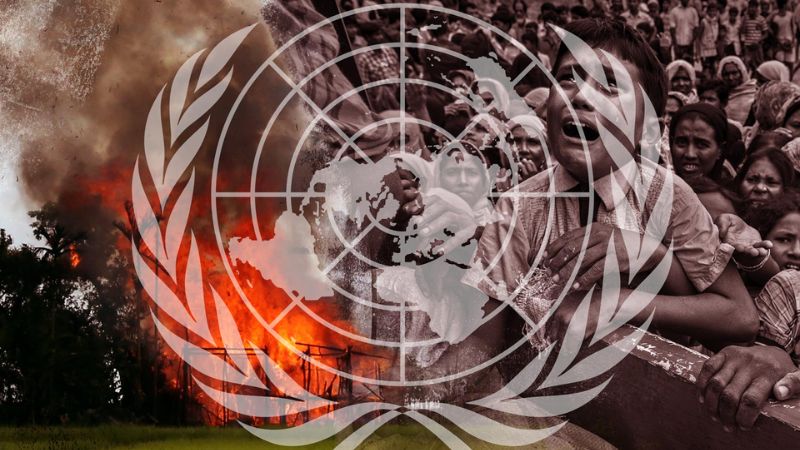
The United Nations General Assembly has adopted a resolution outlining the framework for a high-level conference addressing the plight of the Rohingya and other minority groups in Myanmar. Sponsored by Malaysia and Finland, the resolution was passed with 41 votes in favor and 10 abstentions, marking a significant step toward renewed global engagement in resolving the long-standing crisis.
Bangladesh played a key role in the resolution’s adoption, with its Permanent Representative to the UN, Md Salahuddin Noman Chowdhury, rejecting amendments proposed by Russia and calling for a vote. The resolution comes ahead of a special conference on the Rohingya crisis, scheduled for September in New York, an initiative that Bangladesh’s interim government hopes will revive international efforts for repatriation
Rohingya Crisis: A Prolonged Humanitarian Emergency
The Rohingya crisis escalated dramatically after August 25, 2017, when a military crackdown in Myanmar’s Rakhine State forced more than 750,000 Rohingya to flee to Bangladesh. They joined an existing refugee population of around 400,000 in the overcrowded camps of Cox’s Bazar, now home to one of the world's largest refugee settlements.
Despite a 2017 repatriation agreement between Myanmar and Bangladesh, efforts to return the refugees in 2019 failed as the Rohingya refused to go back without guarantees of safety, citizenship, and basic rights. The situation deteriorated further after the 2021 military coup in Myanmar, which effectively stalled all diplomatic negotiations. Even China-mediated discussions failed to produce meaningful results.
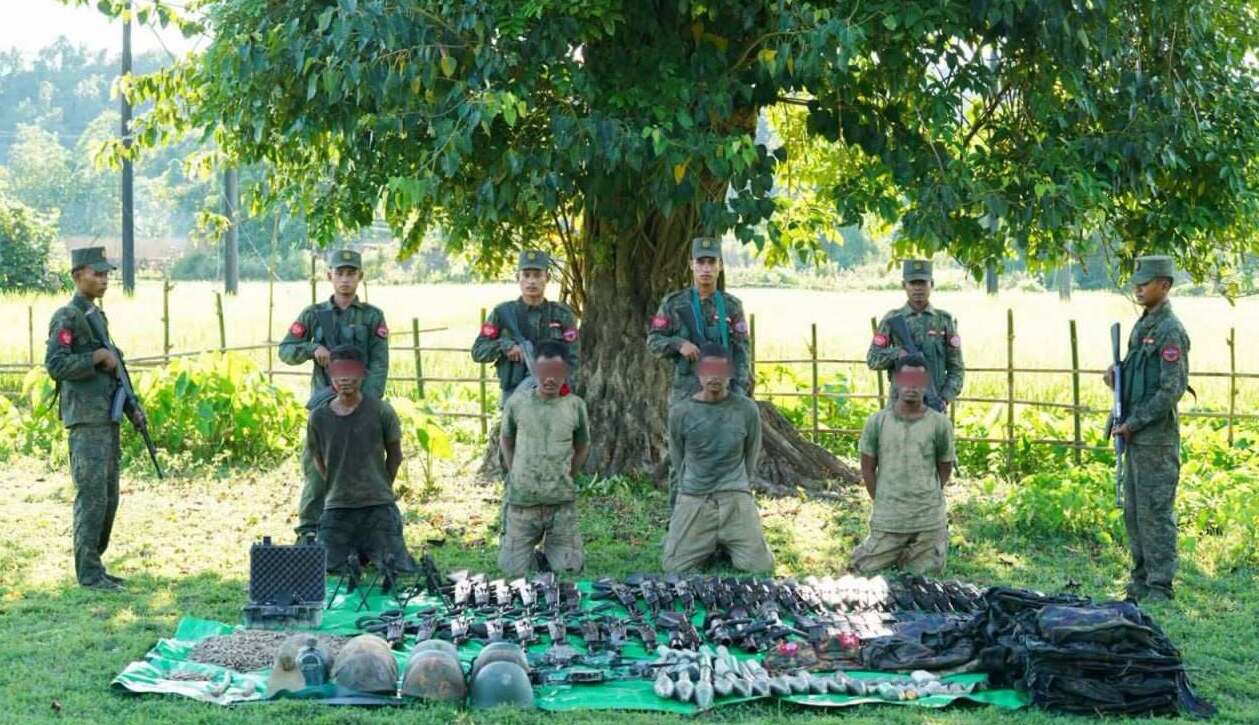
Recently, renewed violence in Rakhine State has led to an additional 80,000 Rohingya crossing into Bangladesh, further straining the country’s resources. Chief Advisor Muhammad Yunus has called for global solidarity, emphasizing that the upcoming UN conference should be a turning point in securing durable solutions.
Global Efforts Needed for Repatriation
The UN Secretary-General António Guterres, who visited the Rohingya camps in Cox’s Bazar earlier this month, reaffirmed the international community’s responsibility to ensure a “voluntary, safe, and sustainable return” of refugees. However, achieving this goal requires stronger global commitments:
1. Diplomatic Pressure on Myanmar:The military junta must be held accountable through targeted sanctions and diplomatic engagement to ensure the Rohingya can return with full rights.
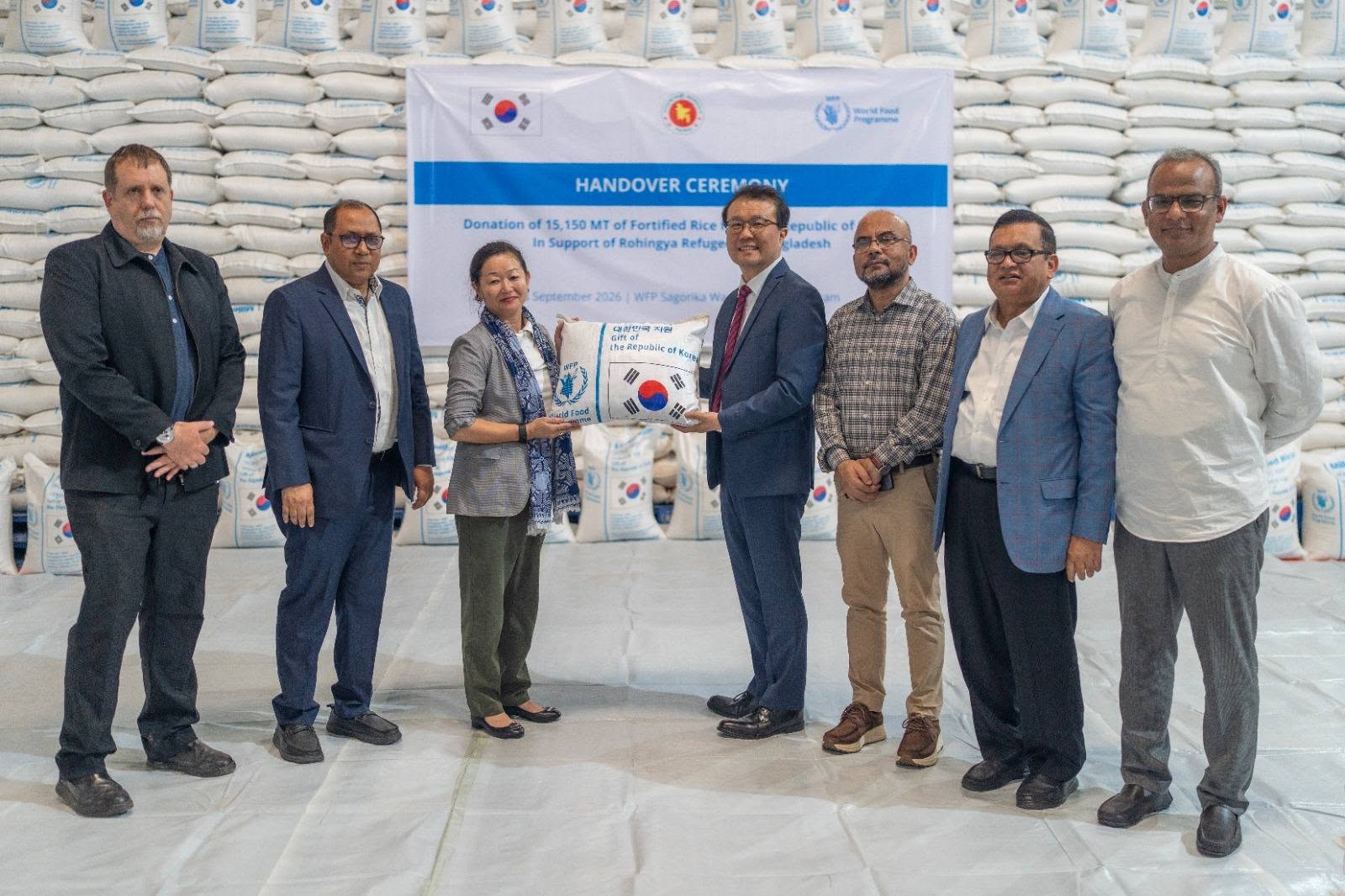
2. Increased Humanitarian Assistance:Host countries like Bangladesh need sustained financial aid to support refugees until a solution is found. Current funding gaps threaten essential services, including food, healthcare, and education.
3. Regional and Multilateral Cooperation: ASEAN, the OIC, SAARC, and BRICS nations must take a proactive role in negotiating a solution that includes regional security and economic incentives for Myanmar.
4. Legal Protections for Rohingya: International bodies should push for legal recognition of the Rohingya as Myanmar citizens, ensuring they are not stateless upon repatriation.
The Road Ahead
The upcoming 79th session of the UN General Assembly will serve as a crucial platform for discussing the next steps. Bangladesh, along with key international partners, aims to mobilize donor nations and regional powers to commit to a long-term solution. The resolution’s passage signals renewed global attention, but sustained diplomatic efforts will be critical to turning commitments into action.
The Rohingya crisis is not just a regional burden but a test of global humanitarian responsibility. Without decisive action, millions will remain in limbo, and regional stability will continue to be at risk. As Chief Advisor Yunus emphasized, “The world cannot turn away. We must find a solution in Myanmar.”
BOB Post