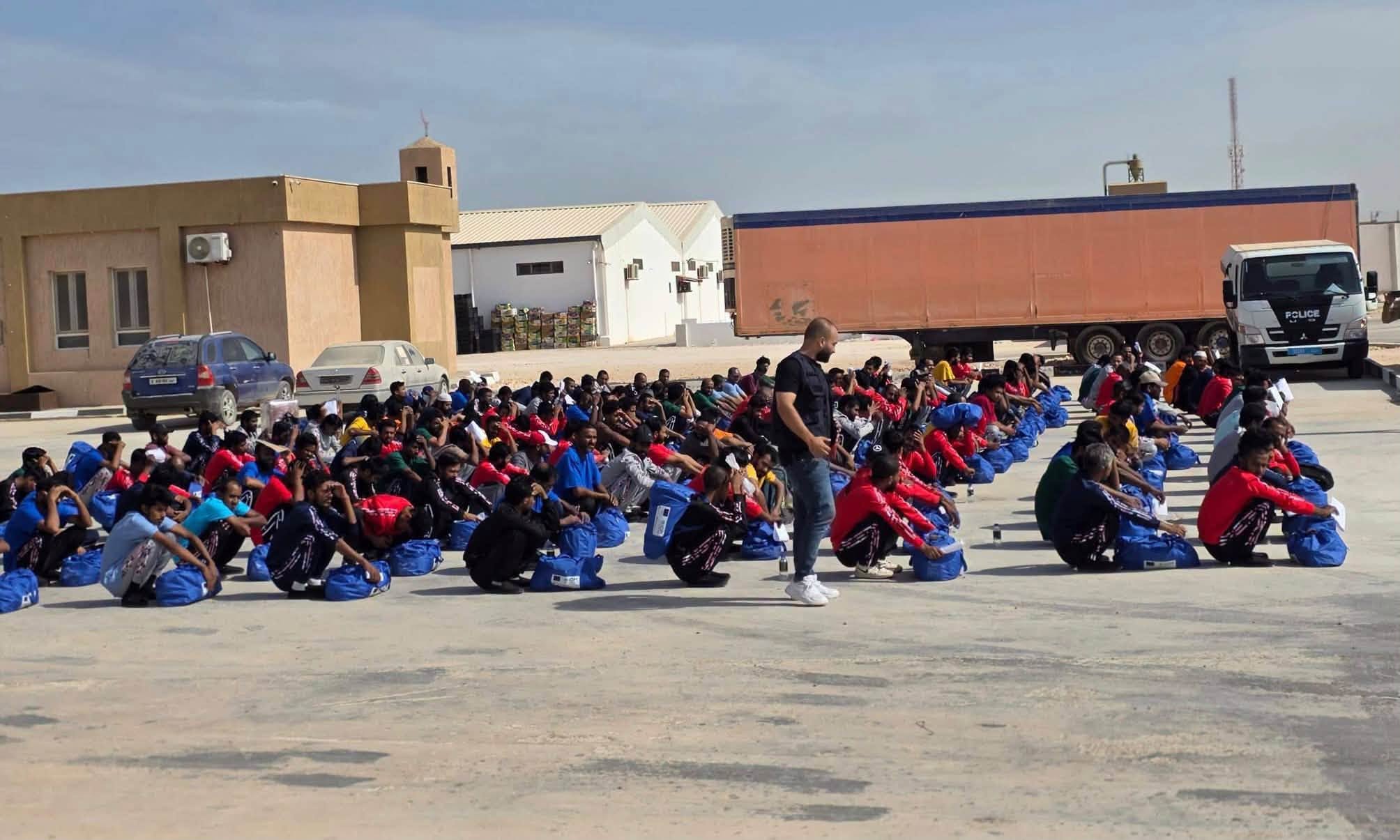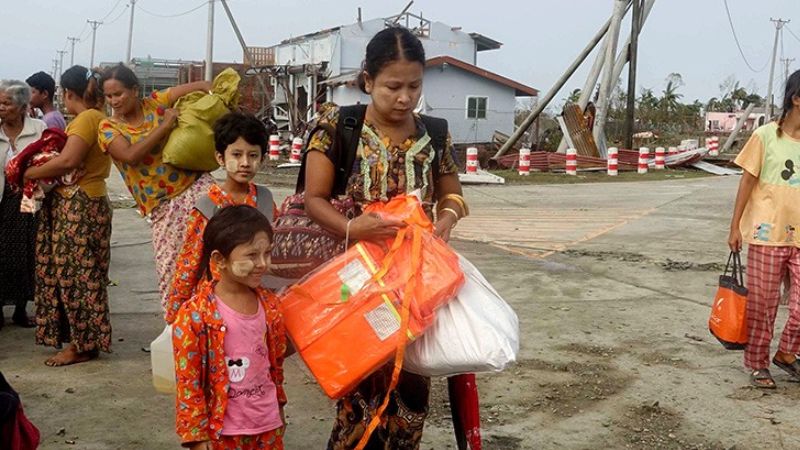
In the middle of ongoing turmoil in Myanmar's Rakhine State, the United Nations (UN) has voiced grave concerns about the welfare of civilians trapped in the midst of escalating violence.
The conflict, primarily pitting junta forces against Arakan Army (AA) insurgents, has reached a critical juncture, with severe repercussions for local communities.
The UN's statement, issued on May 9th, underscored the alarming spike in intercommunal tensions and forced conscription, exacerbating the already dire circumstances faced by civilians in the Rakhine area.
Significant upticks in armed confrontations, particularly in the Buthidaung area of northern Rakhine, have been observed, with clashes between junta forces and AA insurgents intensifying.
As AA insurgents push closer to downtown Buthidaung, military airstrikes have escalated, posing heightened risks to civilian populations.
The UN has stressed the imperative for all involved parties to adhere to International Humanitarian Law, urging them to abstain from targeting humanitarian workers or the premises of humanitarian organizations.
Reiterating its plea for the safeguarding of civilians, cessation of hostilities, and ensuring continued humanitarian access, the UN has urged all pertinent stakeholders to cease the propagation of misinformation and hate speech, highlighting the vital importance of fostering social cohesion and upholding human rights.
Myanmar's ruling junta seized power in a coup d'état in February 2021, overthrowing the elected government of Aung San Suu Kyi, thus terminating a decade-long experiment with democracy and plunging the Southeast Asian nation into violent turmoil.
The junta is grappling with efforts to suppress resistance to its governance by both longstanding ethnic rebel factions and newer pro-democracy movements.
BOB Post