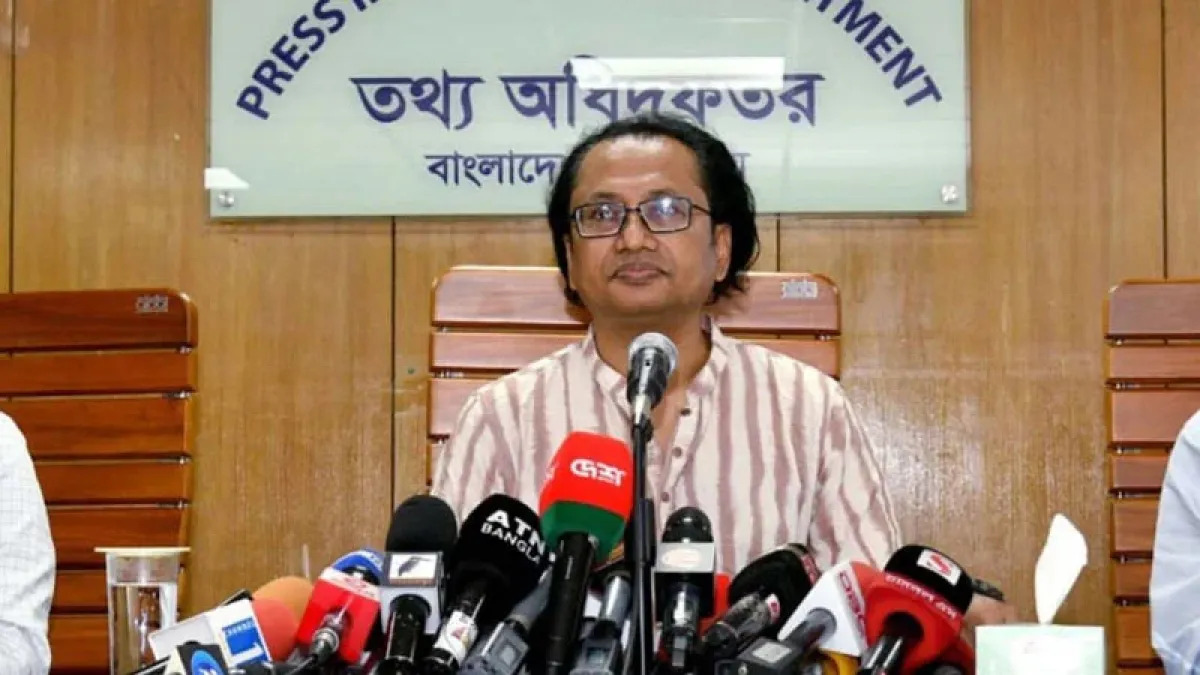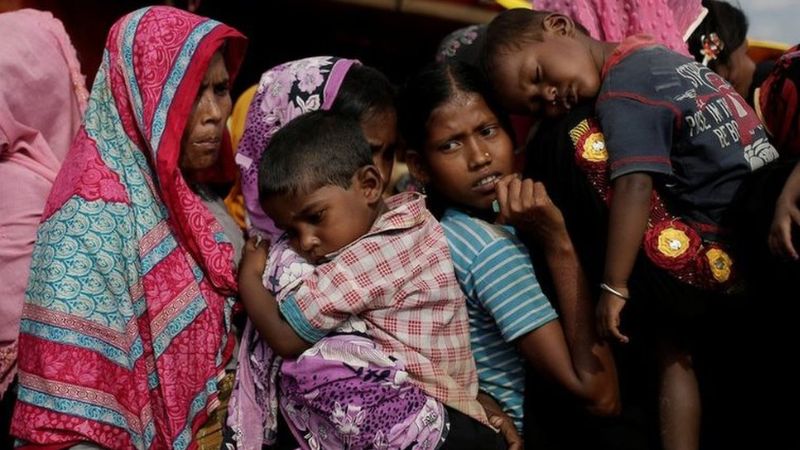
Elizabeth Throssell, a spokesperson for the Office of the High Commissioner for Human Rights (OHCHR), voiced concerns last Friday during a news conference in Geneva over increasing violence against Muslim Rohingya communities in Myanmar's Rakhine State. Throssell provided detailed accounts of tens of thousands of people—mostly Muslims from the Rohingya community—being forcibly moved to the northern townships of Buthidaung and Maungdaw in Rakhine State, and of residential homes being set on fire. Based on reports, there have been substantial displacement and home damage in Buthidaung and Maungdaw, which has led UN representatives to declare the situation highly concerning.
The situation worsened in mid-May after the Arakan Army (AA), primarily composed of Rakhine individuals engaged in a violent conflict with the military since November, captured Buthidaung town. Throssell cited eyewitness reports and satellite data indicating widespread fires that erupted soon after the military's departure. These terrifying reports can make comparisons to the tragic "clearance operation" carried out by the military of Myanmar in August 2017, which forced over 740,000 Rohingya into Bangladesh and was condemned by the UN and the US government as genocide.
Although the OHCHR is looking into who set Buthidaung on fire, testimonies from the Rohingya community point to AA involvement rather than military involvement. Throssell cited confirmed cases of beheadings and enforced disappearances by the AA, along with reports of survivors facing abuse and extortion. Approximately 45,000 Rohingya are reported to have sought refuge near the Naf River, bordering Bangladesh, in search of safety. While OHCHR investigates, Rohingya eyewitnesses suggest AA involvement rather than the military.
Despite AA's involvement, the military bears responsibility. In recent months, it has sought to conscript Rohingya to counter the AA, exploiting sectarian tensions between Rakhine and Rohingya communities. Tom Andrews, the UN special rapporteur on Myanmar's human rights situation, has made urgent calls for intervention by highlighting echoes of the international community's failure to act in 2017.
BOB Post