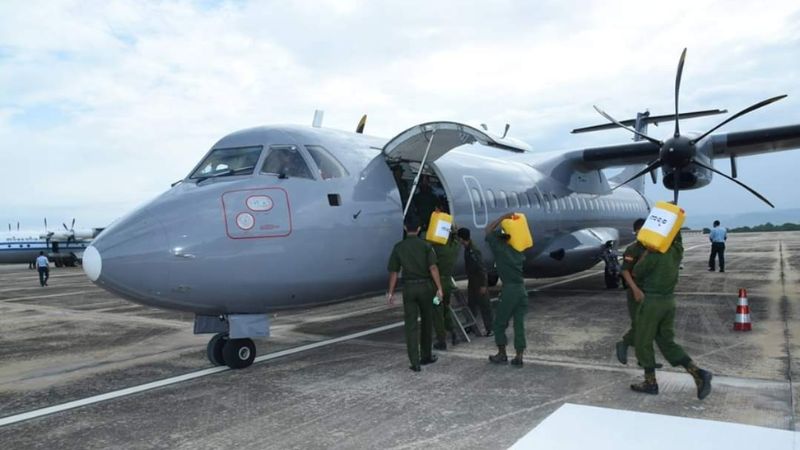
The UN Human Rights Council on Thursday passed resolutions calling on member states to stop supplying aviation fuel to the Myanmar military. They also extended mandates for rapporteurs in Iran and Myanmar.
The resolution garnered unanimous support from council members, with the exception of China. It calls upon all UN member states to exercise caution regarding the export, sale, or transfer of jet fuel, surveillance goods, and less-lethal weapons to Myanmar's military, especially in instances where there are reasonable grounds to suspect potential violations or abuses of human rights, particularly in the context of assemblies.
Montse Ferre, Deputy Regional Director for Research at Amnesty International, welcomed the resolution as a crucial step amidst the protracted conflict following the military coup that triggered widespread internal displacement. Ferre urged member states to take decisive measures to prevent the supply of aviation fuel to the Myanmar military within their jurisdictions, highlighting the military's adeptness at circumventing international restrictions.
Previously, Amnesty International's findings implicated global corporations in facilitating the provision of aviation fuel to the Myanmar military, enabling aerial strikes targeting civilians, cultural heritage sites, and medical facilities. These strikes, deemed as potential war crimes under international humanitarian law, prompted sanctions from the UK, US, Canada, EU, and Switzerland against entities involved in Myanmar and Singapore.
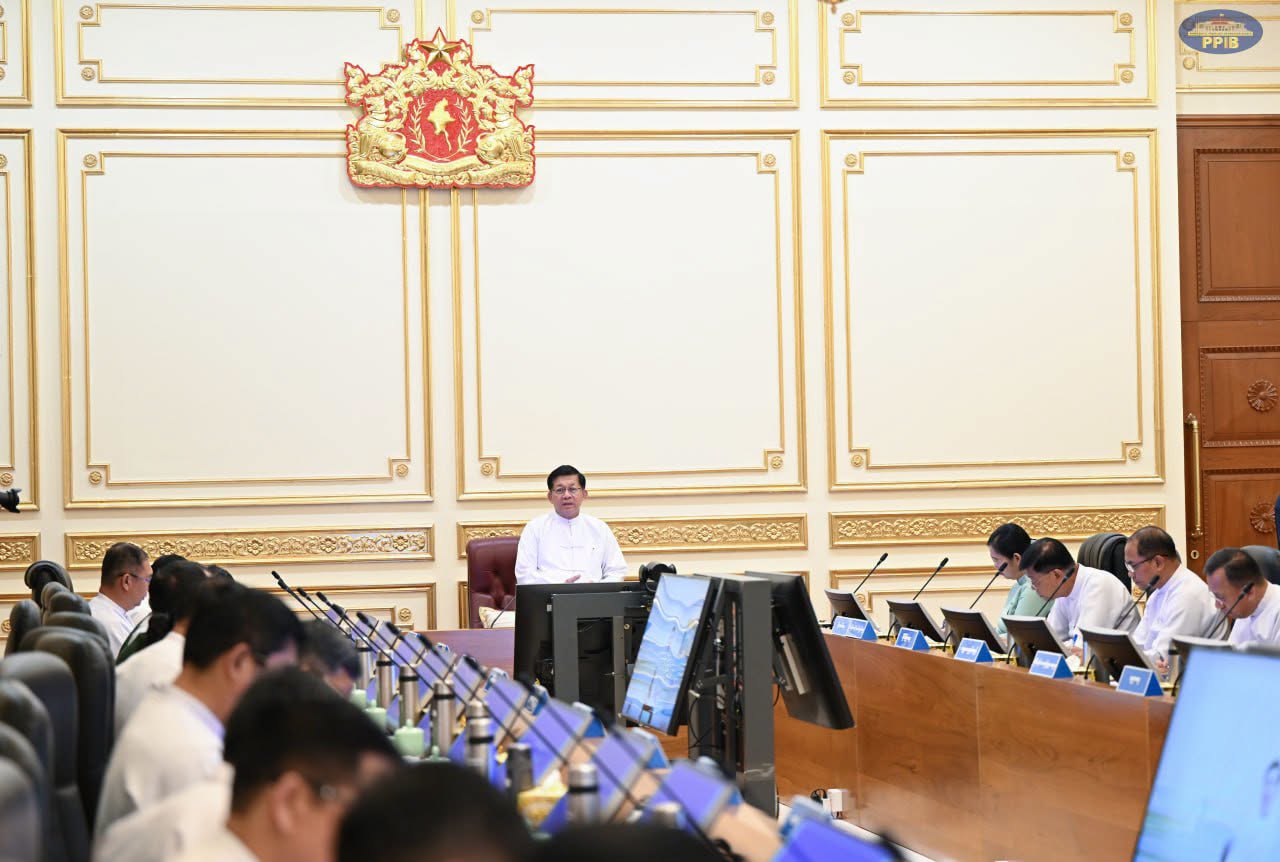
Addressing the dire humanitarian situation in Myanmar, the UN Security Council discussed the appointment of a UN Special Envoy on Thursday. Khaled Khiari, Assistant Secretary-General for Middle East, Asia, and the Pacific, stressed the urgency of addressing the escalating armed conflict, which has severely impeded communities' access to essential services. Khiari also called for the immediate release of democratically elected leaders, including President Win Myint and State Counsellor Aung San Suu Kyi, echoing the sentiments of many UN Security Council members who condemned the ongoing violence.
However, Russia and China expressed reservations about exerting pressure on Myanmar through the UN Security Council, citing Myanmar's internal affairs and minimal threat to international security. Human Rights Watch's Asia Advocacy Director, John Sifton, criticized the Security Council's inaction, calling for swift intervention to address the humanitarian crisis.
The Independent Investigative Mechanism for Myanmar, established in 2018, has been instrumental in uncovering evidence of genocide, crimes against humanity, and war crimes in Myanmar. These atrocities, including murder, torture, sexual violence, and enslavement, underscore the gravity of the situation. Additionally, the International Criminal Court's authorization to investigate alleged crimes related to the forced deportation of Rohingya refugees further emphasizes the need for accountability.
The UN Human Rights Council passed six resolutions on Thursday, which, along with Myanmar, covered a range of human rights issues globally. These decisions covered the rights of intersex individuals, individuals with albinism, religious freedom, and the advocacy for a culture of peace, highlighting the council's broad-ranging work in defending human rights worldwide.
BOB Post