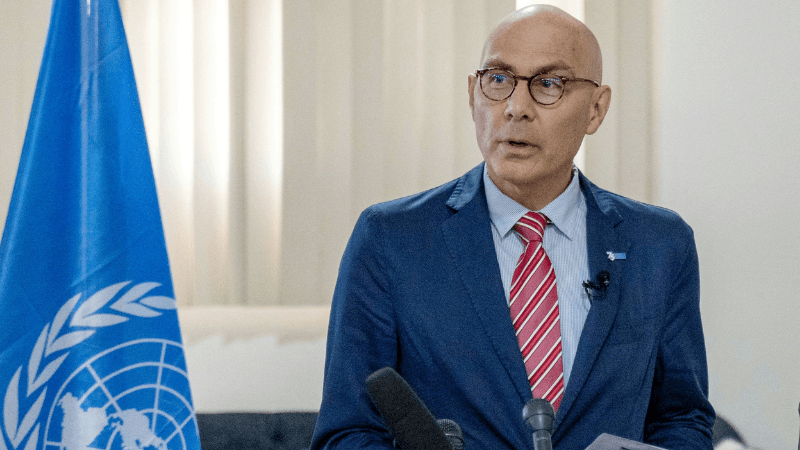
UN High Commissioner for Human Rights Volker Turk stated on Tuesday (30 January) that the Rohingya community is enduring significant hardship due to the ongoing armed conflicts between Myanmar's ruling junta and opposition groups. He highlighted the severe impact on Rakhine State, particularly since the resumption of fighting in November, emphasizing that the Rohingya, already vulnerable from Cyclone Mocha and limited humanitarian access, are facing additional challenges.
“Many communities, especially the Rohingya, were already suffering from the impacts of Cyclone Mocha and the military’s months-long limitation of humanitarian access and provision of assistance,”- he said.
Turk expressed concern over the military's actions, revealing reports of Rohingya casualties resulting from shelling on their villages. The UN human rights office documented over 554 deaths since October.
“Overall, for 2023, the number of civilians reportedly killed by the military rose to over 1,600, an increase of some 300 from the previous year,” said the commissioner.

Turk also drew attention to the 26,000 people arrested for political reasons, with nearly 20,000 still in detention.
“Over the last three years, some 1,576 individuals have died while being held by the military,” he claimed.
The commissioner noted the disruptions in communications and internet services in numerous townships, including most in Rakhine State. Regarding the recent attack on Hpon Nyo Leik village, Turk mentioned allegations of the Arakan Army positioning troops in the Rohingya village, anticipating military attacks. He urged all parties to prioritize the protection of civilians and civilian infrastructure.
Turning to the situation of displaced Rohingya in Bangladesh, Turk described them as trapped in a dire humanitarian crisis, facing risks and dangers in their attempts to seek refuge by sea, with limited acceptance in nearby communities.
The UN rights chief urged the international community to “redouble efforts to hold the military accountable.”
Referencing the International Court of Justice's provisional measures for Myanmar, he emphasized the need for all measures to protect the Rohingya from potential genocidal acts.
Turk emphasized that resolving the crisis requires accountability for the military's leadership, the release of political prisoners, and the restoration of civilian rule. He stressed the importance of not forgetting the people of Myanmar amid global crises, noting their prolonged suffering exacerbated by the military's tactics.
BOB Post