The ongoing political crisis in Bangladesh has left Indian investors, particularly those from Tamil Nadu’s garment sector, on edge. Finance Minister Nirmala Sitharaman, speaking to reporters on Saturday, acknowledged the growing anxiety but remained hopeful that the situation would stabilize soon.
"The garment and textile industry, especially those with significant stakes in Bangladesh, are understandably concerned," Sitharaman said. "These investments were made in good faith, and they’ve thrived, contributing to a boost in Bangladesh’s exports. We’re all hoping that things return to normal quickly."
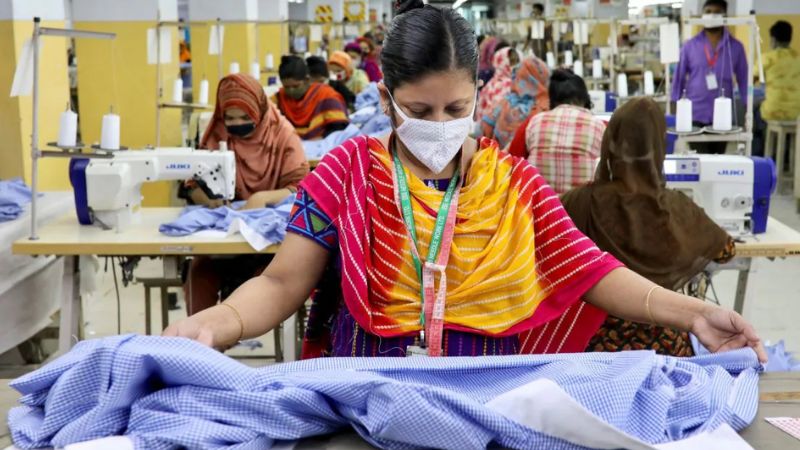
Bangladesh has long been a key partner for Indian textile companies. The country’s favorable trade terms, including duty-free access to Indian markets, have made it an attractive destination for investment, particularly for Tamil Nadu’s thriving garment sector. These companies have enjoyed the benefits of exporting their products back to India, bolstering both economies in the process.
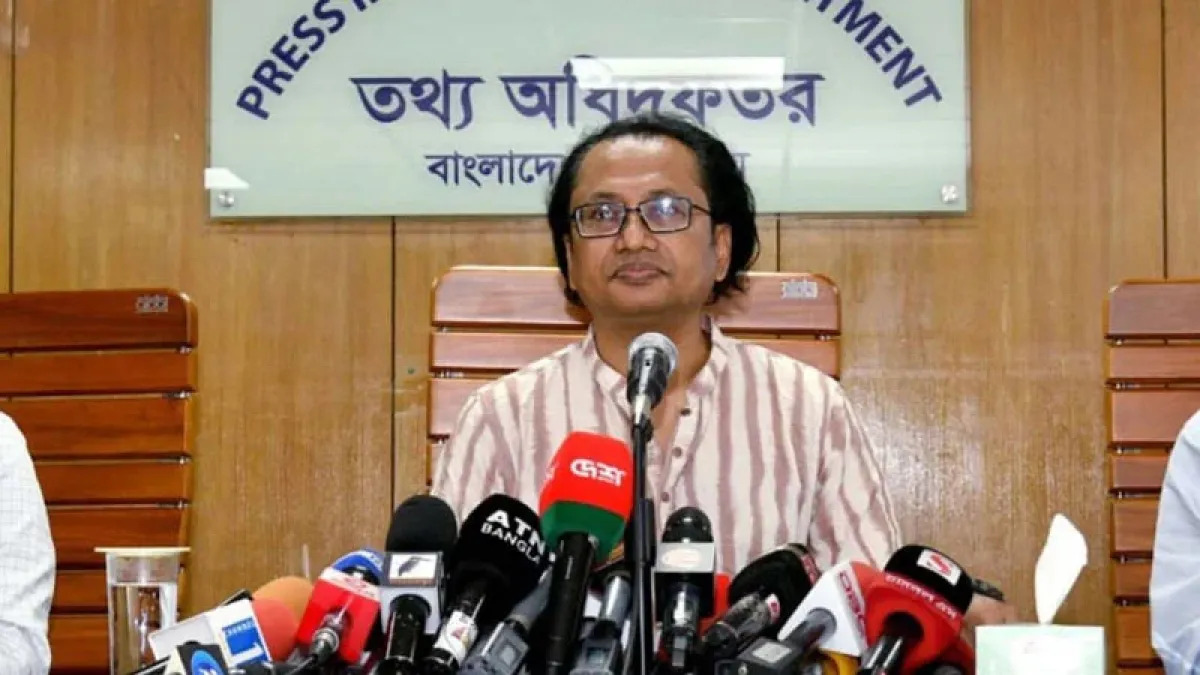
However, the recent political upheaval has cast a long shadow. Just this week, Prime Minister Sheikh Hasina abruptly resigned and fled to India, sparking a wave of uncertainty that led to the dissolution of Parliament and the establishment of an interim government. Nobel laureate Muhammad Yunus has been appointed to steer the country through this turbulent period, taking over after weeks of violent protests against Hasina’s administration.
"This kind of uncertainty naturally raises concerns," Sitharaman noted. "While it’s too early to predict the full impact on our economy, we’re keeping a close eye on developments. The hope is that the interim government will manage to restore calm, allowing both Bangladesh and India to move forward."
Sitharaman also emphasized the importance of maintaining secure borders with Bangladesh during these uncertain times. The Indian government, she assured, is taking all necessary steps to protect its interests and ensure regional stability.
The unrest in Bangladesh stems from widespread dissatisfaction with a controversial quota system in government jobs, which ignited massive student-led protests. The sudden resignation of Sheikh Hasina, who had been in power for over a decade, has left the country in a state of flux. Yunus, a respected figure both in Bangladesh and internationally, was called upon to lead during this critical juncture.
In his first official act, Yunus announced a 16-member council of advisors, including a seasoned diplomat to head the foreign ministry. His primary mission is to restore stability and address the grievances that led to the protests.
Indian businesses with interests in Bangladesh are watching the situation closely. The Indian garment sector, which has seen substantial growth thanks to investments in the neighboring country, now faces the challenge of navigating this period of uncertainty. Both governments are under pressure to ensure that economic ties remain strong and that the benefits of their cooperation aren’t undone by the political turmoil.
For now, all eyes are on Bangladesh, with the hope that Yunus and his interim government can guide the country back to stability. As Sitharaman aptly put it, "The investments are crucial, but at the end of the day, the safety and well-being of people on both sides of the border are what really matter."
BOB Post