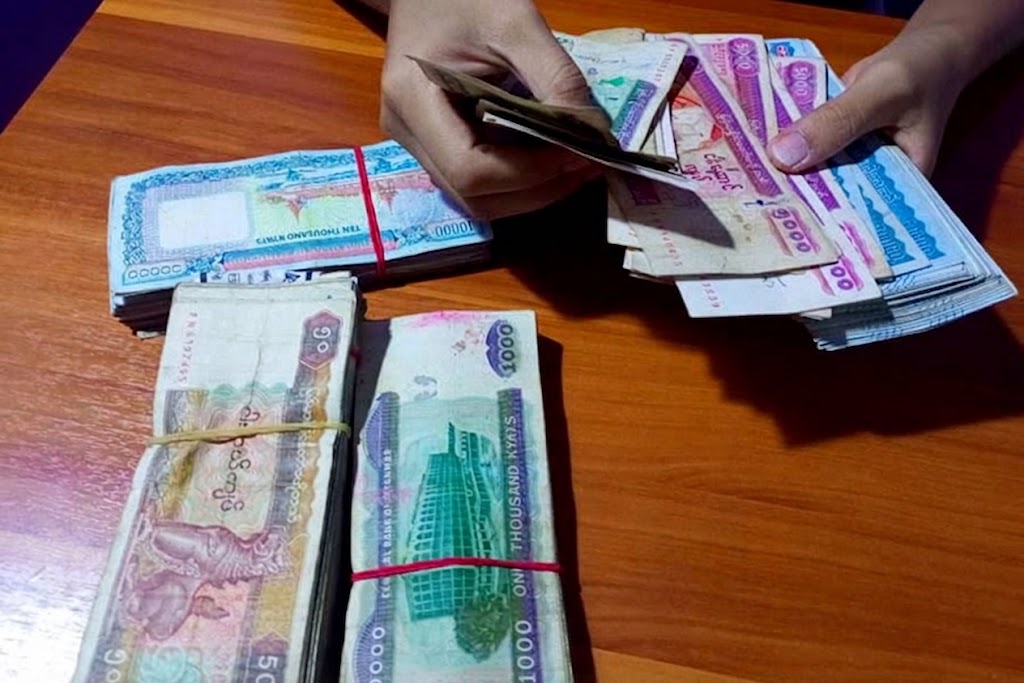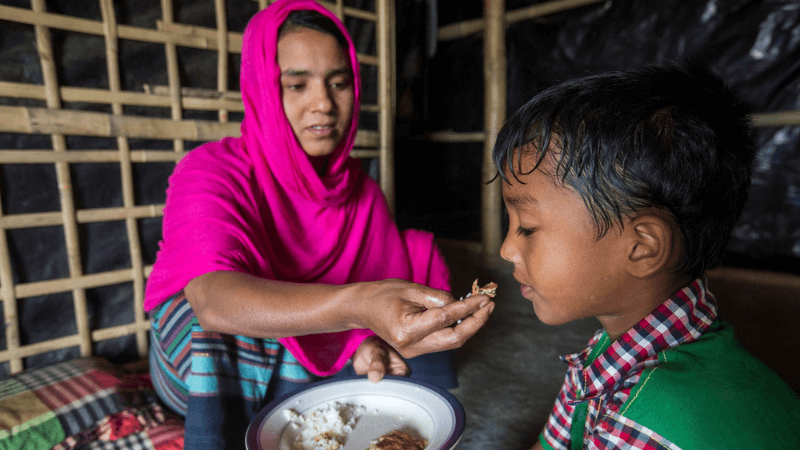
In response to a year marred by ration cuts and escalating food insecurity, the United Nations World Food Programme (WFP) has taken a significant step to alleviate the dire conditions faced by Rohingya refugees in Cox's Bazar, Bangladesh. On Monday, January 1st, 2024, the WFP announced a crucial increase in the monthly food voucher value, raising it from $8 to $10 per person.
While this 25% increase offers a glimmer of hope for the nearly 900,000 Rohingya refugees residing in Cox's Bazar, it signifies a modest improvement from the previous cuts. Before the reductions in 2023, the monthly voucher value stood at $12, underscoring the substantial erosion of food assistance over the past year.
The decision comes as the WFP issues stark warnings about the deteriorating food security situation in the camps. A sharp decline in resources and donor funding prompted the earlier ration cuts, with devastating consequences. By November 2023, nearly 90% of the refugee population lacked adequate food consumption, and a survey revealed a concerning surge in global acute malnutrition, particularly among children, exceeding the emergency threshold.
"The year 2023 was tumultuous for the Rohingya," acknowledged Dom Scalpelli, WFP Country Director in Bangladesh. "Multiple fire outbreaks, cyclones, and, for the first time, ration cuts, severely impacted their lives. The rapid deterioration of the food and nutrition situation was extremely worrying." Scalpelli expressed gratitude to the donor community for their renewed support, which enabled the increase in food assistance. He also emphasized the significance of diversifying the food basket beyond the current voucher system. Starting soon, the WFP will begin distributing locally fortified rice to improve the nutritional value of the refugees' diet.
While the increased voucher value provides a lifeline to the Rohingya, concerns remain. The $10 amount still falls short of the pre-cut level, and the long-term sustainability of the program hinges on continued donor funding. Experts warn that even this modest increase might not be enough to address the complex vulnerabilities and nutritional needs of the refugee population, particularly pregnant women, children, and the elderly. The Rohingya's plight in Cox's Bazar remains precarious. They grapple with limited access to livelihoods, healthcare, and education, coupled with the ever-present threat of displacement and violence. While the WFP's initiative provides a welcome respite, it serves as a stark reminder of the Rohingya's dependence on international support and the collective responsibility of the international community to ensure their basic human rights and fundamental needs, including access to adequate and nutritious food, are met.
The decision to increase food rations is part of a broader strategy to address the multifaceted challenges faced by the Rohingya refugees. The WFP will commence the distribution of locally fortified rice to improve the nutritional content of the refugees' diet. This initiative will begin in one or two camps and gradually extend to all camps in Cox's Bazar and on Bhasan Char Island. "We remain fully committed to the Rohingya while supporting vulnerable Bangladeshis who have so generously hosted the Rohingya over the years. We are immensely grateful to all our donors for their unwavering support, and we count on them to step up even further to ensure we can provide the Rohingya with a full and nutritious ration in 2024," added Scalpelli.
The road ahead for the Rohingya remains uncertain. Yet, the WFP's decision to increase food rations offers a glimmer of hope, a step towards alleviating their immediate suffering and ensuring their survival. However, addressing the root causes of their displacement and finding a durable solution remain crucial to securing their long-term well-being and dignity. In addition to facing ongoing challenges such as limited access to livelihoods and healthcare, the Rohingya also confront the threat of human trafficking. As of November 30, 3,468 Rohingya had embarked on risky boat journeys, with almost half being women and children. This highlights the urgent need for sustained international support to address the complex and interconnected challenges faced by the Rohingya community.
While expressing gratitude for the assistance received, Scalpelli emphasized the need for continued support from the international community. WFP currently faces a funding gap of $61 million to increase the food ration to the full amount, now at $12.5, with locally fortified rice added.
BOB Post