The Rohingya refugee crisis, one of the most prolonged and devastating humanitarian disasters of modern times, is now taking a severe demographic turn. With rising birth rates in refugee camps and a steady influx of new refugees fleeing the ongoing conflict in Myanmar, Bangladesh finds itself overwhelmed, struggling to meet the increasing demand for resources.
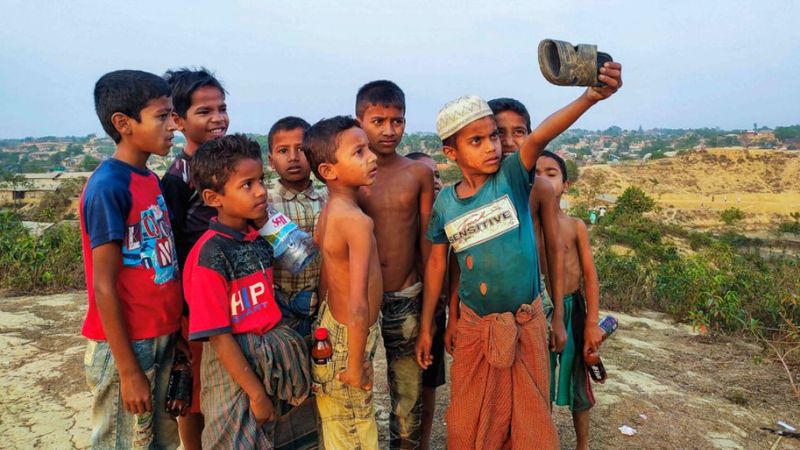
Currently hosting over 1.2 million Rohingya refugees, Bangladesh is facing a growing crisis, as the international community remains largely inactive, leaving the country to manage the burden alone. The situation in the overcrowded camps is dire, with children making up more than half of the refugee population, most of them having limited access to education, healthcare, or basic services. Many of these young people have only known life inside the confines of a refugee camp, growing up in conditions that severely hinder their physical and psychological development.
Bangladesh’s resources and infrastructure are reaching a critical breaking point. Overcrowding in the camps has resulted in widespread disease, malnutrition, and escalating violence, with basic services such as healthcare and sanitation collapsing under the strain. The government of Bangladesh has repeatedly called for international support, warning that the country can no longer handle the crisis alone. While Dhaka has urged for financial assistance and political pressure on Myanmar to enable the safe return of the Rohingya refugees, global responses have been slow and ineffective.
Complicating the situation further, renewed conflict between Myanmar's military and the Arakan Army has forced thousands of additional Rohingya to flee their homes. These new refugees, often arriving traumatized and in urgent need of help, place further pressure on Bangladesh’s already strained resources.

The future for the young Rohingya population is bleak. With nearly 83% of adolescents and youth lacking access to education or vocational training, there is little hope for them to build a better life. The few educational programs available are substandard and fail to equip these children with the skills necessary to rebuild their lives or reintegrate into society.
This growing “lost generation” poses a significant threat to regional stability. Without education or employment opportunities, young Rohingya are increasingly vulnerable to exploitation by criminal networks and extremist groups operating within the camps. Reports of gang violence, human trafficking, and recruitment by militant organizations are on the rise, as children grow up alienated and resentful in a harsh environment that fosters radicalization.
As Bangladesh grapples with this mounting crisis, the international community has been slow to provide meaningful support. Donor fatigue has set in, with many countries focused on their domestic issues, and humanitarian organizations are facing funding shortages. Efforts to hold Myanmar accountable for its campaign of ethnic cleansing against the Rohingya have also stalled, with legal actions at the International Court of Justice and the International Criminal Court proceeding at a glacial pace.
The lack of global pressure on Myanmar and the absence of coordinated efforts to support Bangladesh have created a humanitarian and demographic catastrophe. Bangladesh, despite its best efforts, is now left in an untenable position, forced to manage a crisis born from Myanmar’s genocidal policies.
Urgent action is needed from the international community to address the Rohingya crisis. This includes increasing financial aid, supporting long-term development programs for the refugees, and ensuring that Rohingya youth have access to education and vocational training. Additionally, sustained political pressure must be placed on Myanmar to end its campaign of ethnic cleansing and create conditions for the safe return of the Rohingya.
The crisis is not just a humanitarian disaster; it is a ticking demographic time bomb. Bangladesh cannot continue to shoulder this burden alone, and the global community must step up before the situation spirals further out of control. A generation of Rohingya children is growing up without hope, and the world must act to prevent their future from being lost.
Narrated from Dr. Azeem Ibrahim's publication in Arab News