A military operation may comply with the laws of war and still carry the intent to destroy a people. That is the legal fault line the International Court of Justice has now brought into sharper focus, challenging one of the most consequential defences states can invoke against genocide allegations.
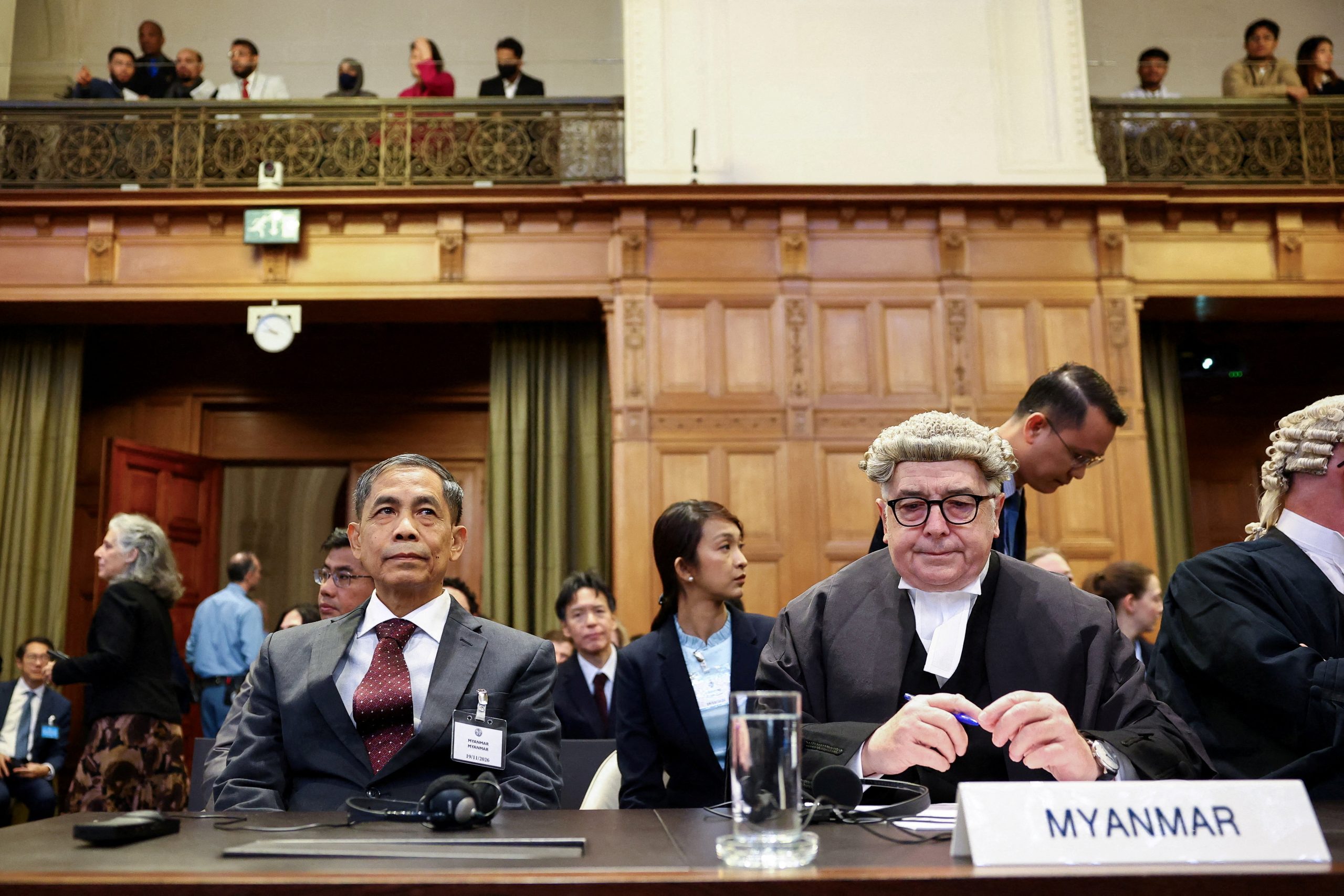
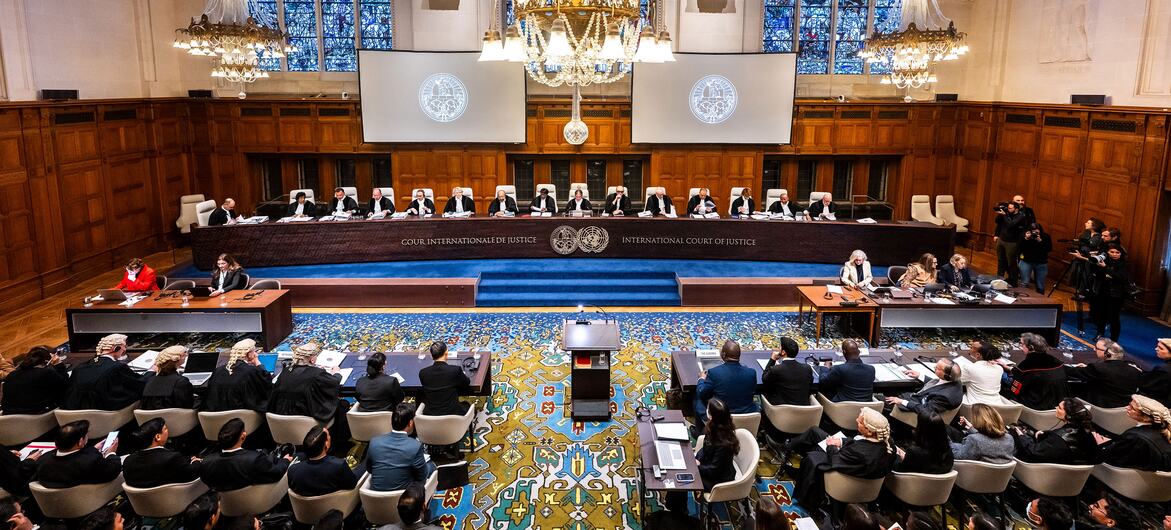
In its November 19 judgment in The Gambia v. Myanmar, the ICJ made clear that compliance with international humanitarian law (IHL) does not provide a blanket defence against accusations of genocide. The ruling draws an important distinction between the legality of military conduct and the intention behind it, rejecting the assumption that satisfying the rules of armed conflict necessarily rules out genocidal intent.
The significance lies in what the court refused to accept. Myanmar argued that acts lawful under humanitarian law could not constitute the underlying acts of genocide and could also negate the intent required to establish the crime. The judges rejected the first proposition and placed clear limits on the second.
The European Journal of International Law, analysing the judgment, identifies this as a crucial clarification in the relationship between the Genocide Convention and the laws governing armed conflict. The ICJ held that conduct compliant with IHL cannot automatically be excluded from the underlying acts of genocide. Nor does such compliance, by itself, disprove an intention to destroy a protected group.
This distinction addresses a long-standing legal ambiguity. In its 2015 judgment in Croatia v. Serbia, the ICJ acknowledged that international humanitarian law could inform the assessment of genocide but left the precise scope of that relationship unclear. The latest judgment goes further by ruling out the interpretation that IHL-compliant conduct must fall outside the definition of genocide.
More importantly, the court has resisted reducing the question of genocidal intent to the legality of individual military operations. Genocide is not established merely by the scale of civilian deaths or destruction. It requires proof of the specific intent to destroy, in whole or in part, a national, ethnic, racial or religious group. Yet that intent cannot be dismissed simply because military authorities claim to have observed the rules of engagement.
The court recognized that both compliance and violations of humanitarian law may be relevant when inferring genocidal intent. Attacks causing civilian casualties and destruction far beyond what military necessity could justify may point towards such intent. But the reverse does not automatically follow: conduct that complies with IHL does not establish the absence of genocidal intent.
That reasoning exposes a critical weakness in arguments that focus exclusively on military necessity. International humanitarian law permits incidental civilian harm under certain conditions, including proportionality. But the legality of individual attacks does not necessarily answer the broader question of whether a state's military campaign is driven by an intention to destroy a protected community.
In Myanmar's case, the ICJ also found little difficulty rejecting the junta's attempt to portray its military campaign as a counter-terrorism operation offering an alternative explanation for its conduct. The court pointed to the limited evidence of efforts to comply with IHL, particularly the obligation to distinguish civilians from combatants.
The judgment nevertheless leaves a difficult evidentiary question unresolved: how much weight should genuine compliance with humanitarian law carry when a court assesses the intent behind an entire military campaign? That question will remain central to future genocide proceedings.
Its implications are particularly significant for the ongoing South Africa v. Israel case, where allegations of genocide in Gaza have brought military necessity, civilian casualties and compliance with the laws of war into sharp legal focus. Israel has invoked its military objectives and obligations under international humanitarian law in defending its operations. The Myanmar judgment does not predetermine the outcome of that case, but it makes clear that compliance arguments alone cannot dispose of allegations of genocidal intent.
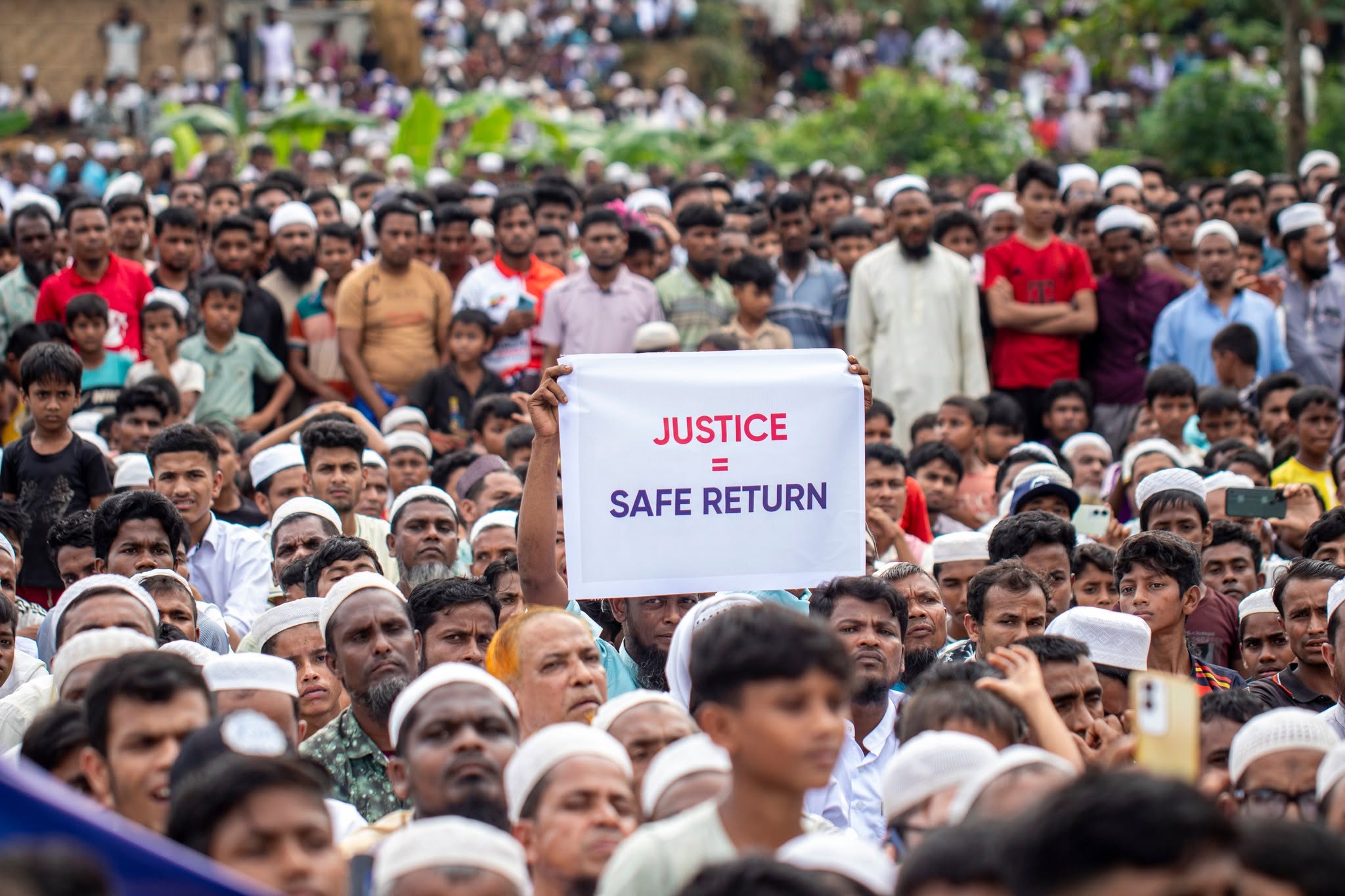
For the Rohingya, the ruling is an important legal clarification in a case rooted in the devastation of their community and the mass displacement from Rakhine State. More broadly, it challenges a dangerous tendency in international conflict: treating the language of military legality as an answer to questions about the ultimate purpose of violence.
The court has drawn a line that states cannot easily argue away. The laws of war may regulate how military force is used, but they do not provide automatic immunity from the charge of genocide. A state may defend the legality of its battlefield conduct; it must still answer for the intent behind it.
BOB Post