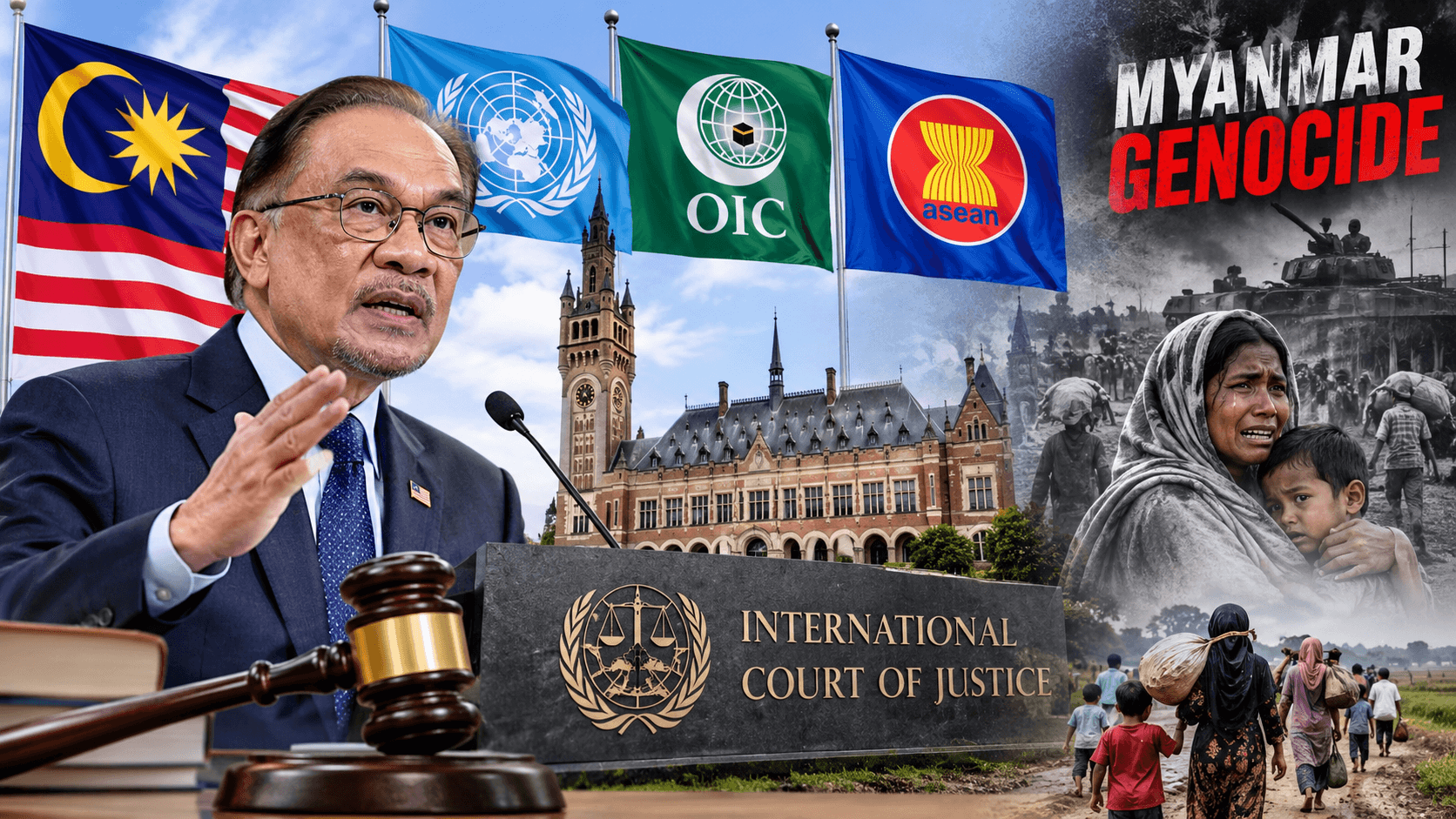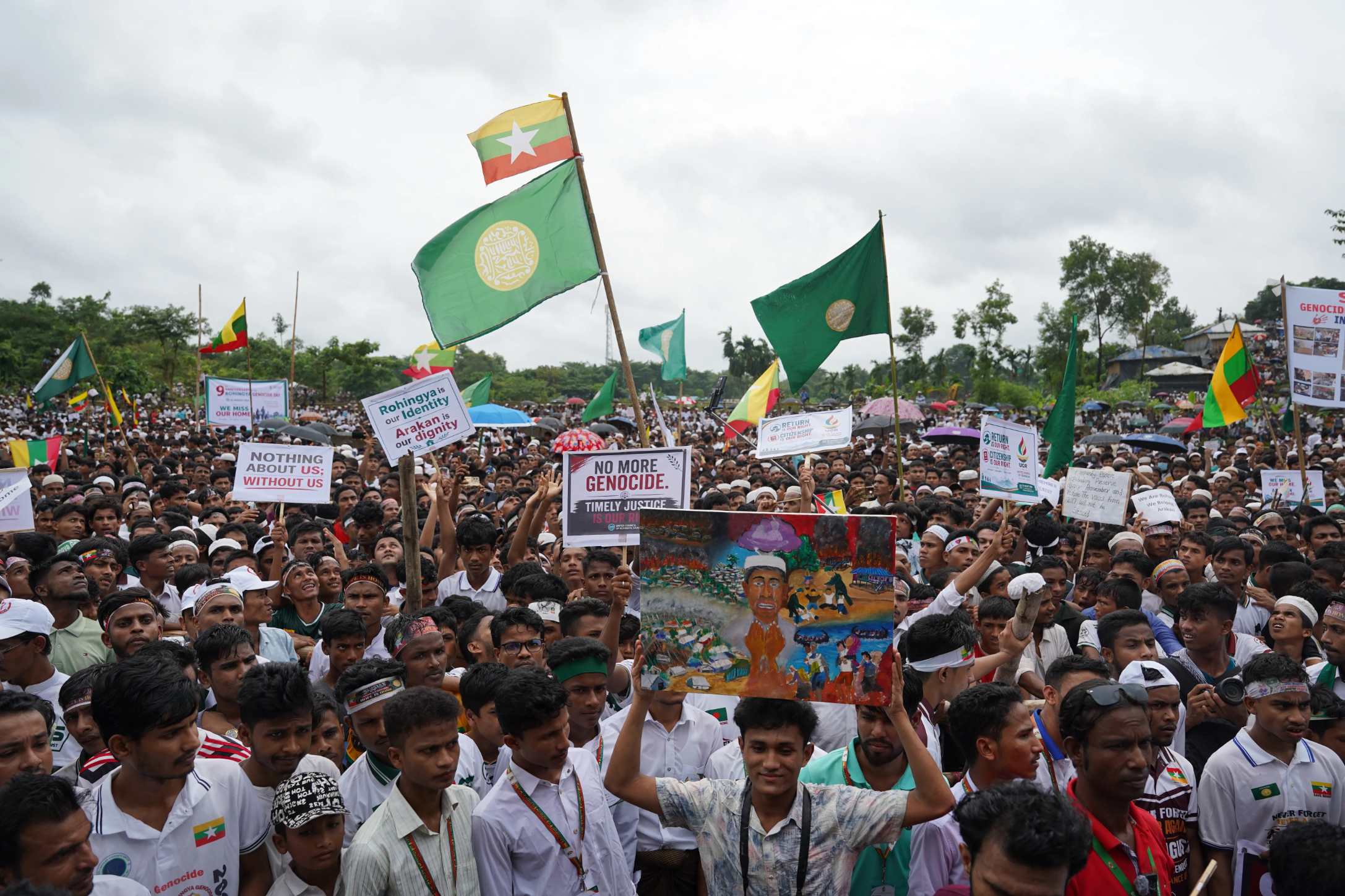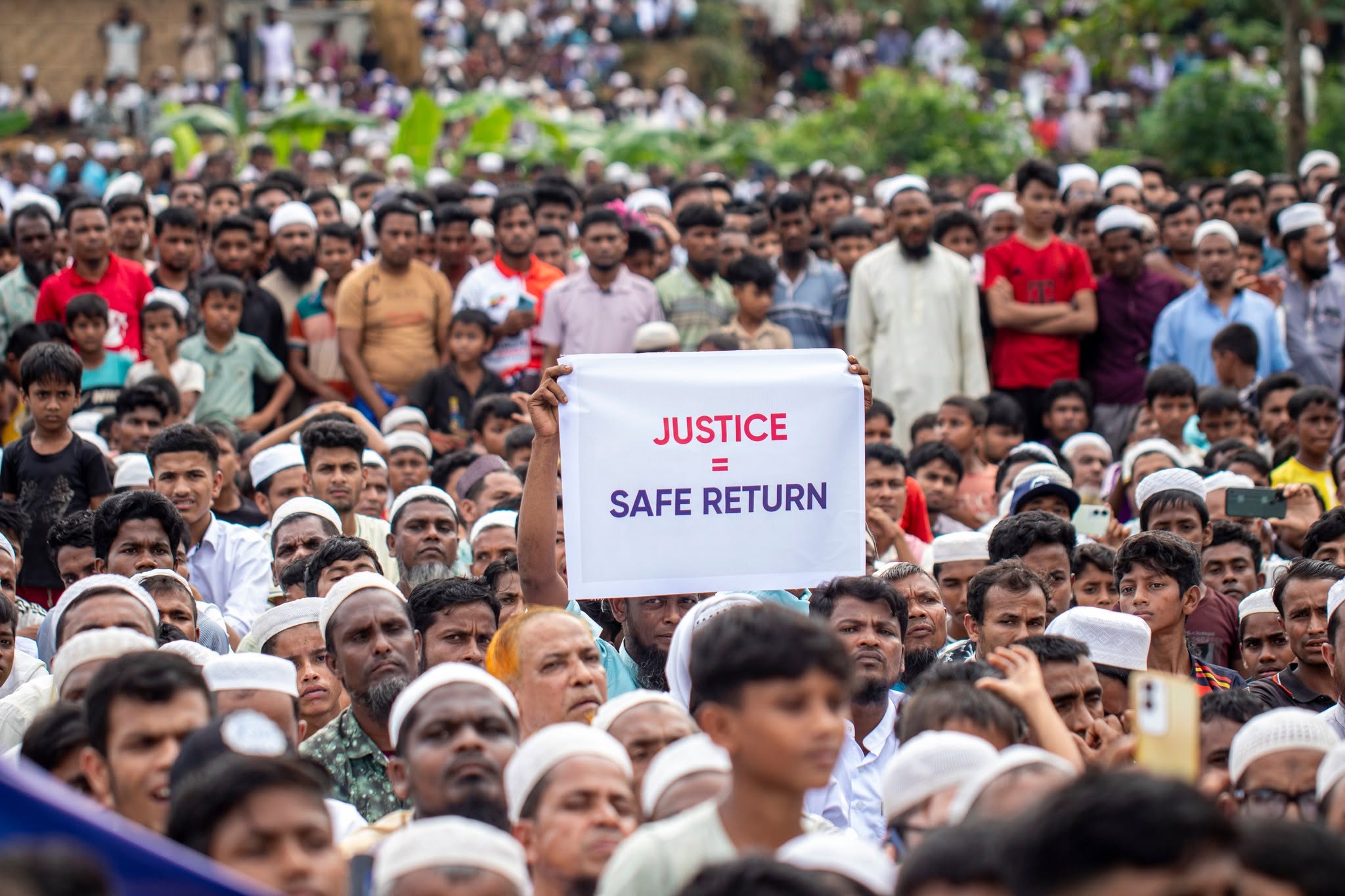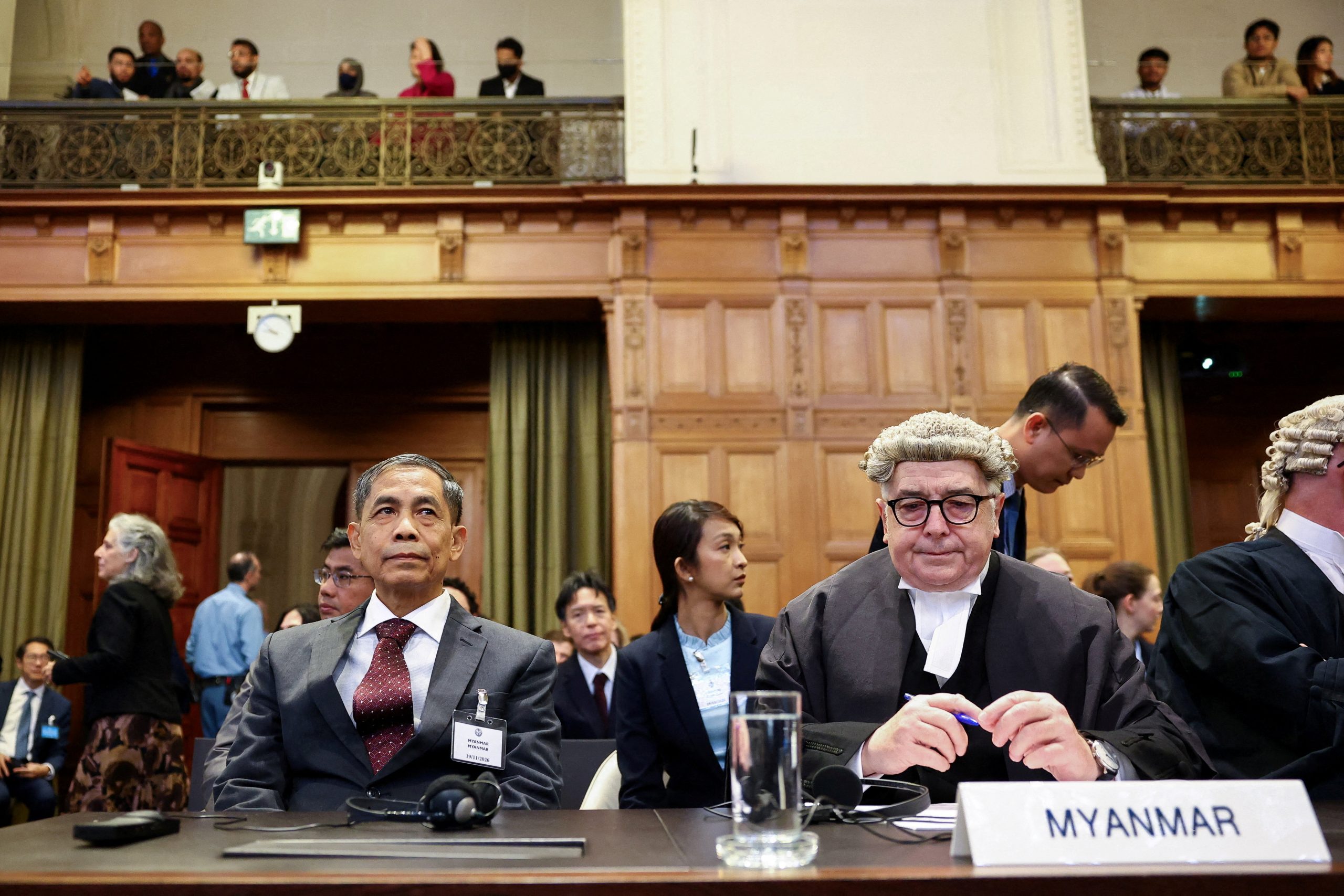
Fourteen countries have called on Myanmar to comply with a landmark International Court of Justice (ICJ) ruling on the Rohingya genocide. As the United Kingdom formally recognized the atrocities and imposed fresh sanctions on five senior military figures.
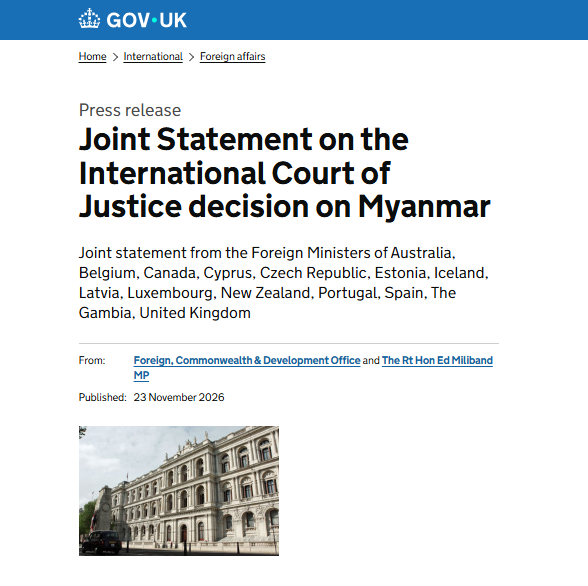
In a joint statement issued on Monday, the foreign ministers of Australia, Belgium, Canada, Cyprus, Czech Republic, Estonia, Iceland, Latvia, Luxembourg, New Zealand, Portugal, Spain, The Gambia and the UK said Myanmar had violated its obligations under the Genocide Convention.
The countries stressed that the ICJ judgment was legally binding and urged Myanmar to fulfil its responsibilities under international law.
“We underscore that the Court’s judgment is binding upon Myanmar and call on Myanmar to comply fully with its obligations under international law, including the Court’s decision,” they said.
According to AFP, the UK went further by formally recognizing the genocide against the Rohingya and announcing sanctions against five senior Myanmar military figures, signaling a tougher approach to accountability following the court's historic decision.
British Foreign Secretary Ed Miliband said the persecution and violence inflicted on the Rohingya must not go unanswered.
The sanctions include asset freezes and travel bans. London also announced plans to introduce legislation restricting the export and supply of aviation fuel to Myanmar, a move aimed at limiting the military's access to resources that could support its operations.
Alongside the punitive measures, the UK pledged an additional £5 million in humanitarian assistance for Rohingya and other vulnerable communities in Myanmar. The funding is expected to support essential services for approximately 350,000 people, particularly in Rakhine State, where humanitarian conditions remain critical.
A further £3 million will be allocated to strengthening accountability mechanisms and supporting justice for survivors of human rights violations across the country.
The diplomatic response follows the ICJ's November 19 verdict, which found Myanmar responsible for genocide against its Rohingya minority during the military's 2017 crackdown in Rakhine State.
The judgment marked a historic milestone in international law, making it the first time in the court's 80-year history that it had determined a state had committed genocide.
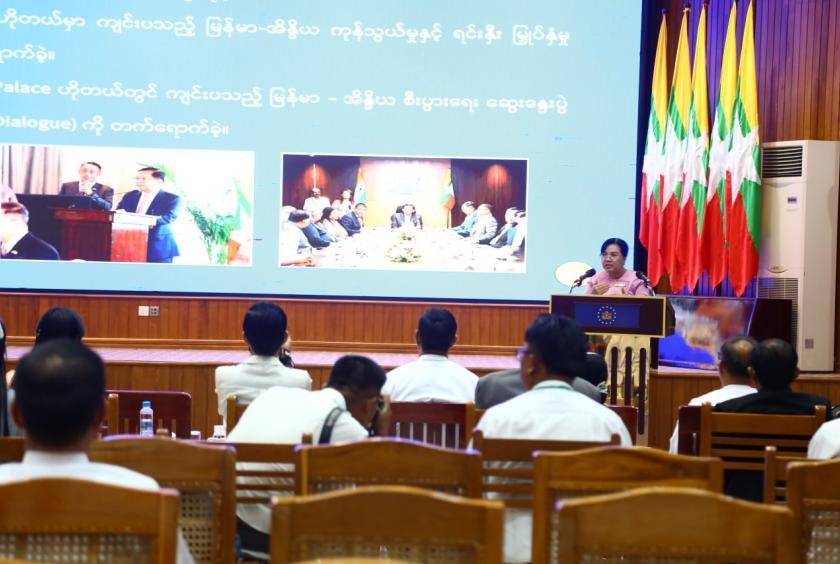
Myanmar's government rejected the decision, describing it as unfair and expressing what it called a great disappointment.
In a separate diplomatic move following the verdict, Britain announced that it would expel Myanmar's defence attaché, adding further pressure on the country's military leadership.
BOB Post