Bangladesh will hold talks with China and Myanmar as part of efforts to find a peaceful and sustainable political solution to the prolonged Rohingya crisis, State Minister for Foreign Affairs Humayun Kabir said.
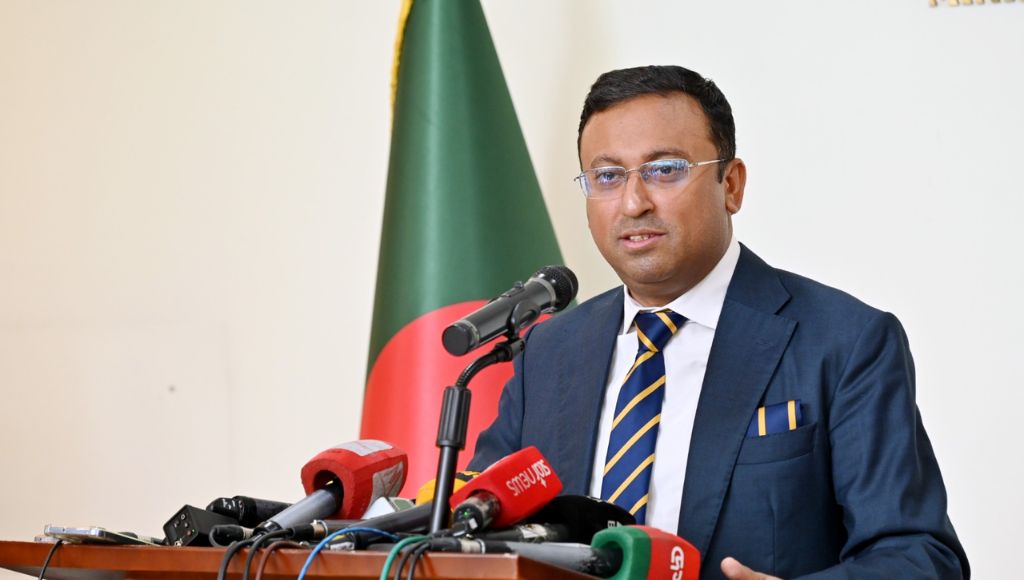
“Only a political solution can end the prolonged displacement of the Rohingya,” Kabir told reporters at a conference titled “Protracted Rohingya Crisis: The Search for a Comprehensive Approach” at the Foreign Service Academy Auditorium in Dhaka.
The conference was organised by the Department of International Relations at the University of Dhaka in collaboration with the Foreign Service Academy under the Ministry of Foreign Affairs and the United Nations High Commissioner for Refugees (UNHCR).
Kabir said Bangladesh has sheltered and protected more than one million forcibly displaced Myanmar nationals since 2017, despite the pressure the crisis has placed on the country’s economy, environment, public services, host communities and national security.
“Bangladesh did not create the crisis and therefore cannot resolve it alone,” he said, calling for sustained international political engagement to address the root causes of the displacement.
Bangladesh’s objective is to ensure the safe, voluntary, dignified and sustainable repatriation of the Rohingya to Myanmar, he added.
According to The Daily Star, Kabir also said Bangladesh would continue engaging relevant countries, including China and Myanmar, in pursuit of a durable solution to the crisis.
UNHCR Representative in Bangladesh Ivo Freijsen said the crisis originated in Myanmar and that its root causes remain there.
He said Rohingya refugees have consistently expressed their desire to return home, but any repatriation process must be safe and dignified and accompanied by restoration of citizenship and fundamental rights.
“Until conditions ensuring safety, freedom of movement, essential services, documentation, and recognition of citizenship and rights are created in Myanmar, voluntary and sustainable repatriation will remain difficult,” Freijsen said.
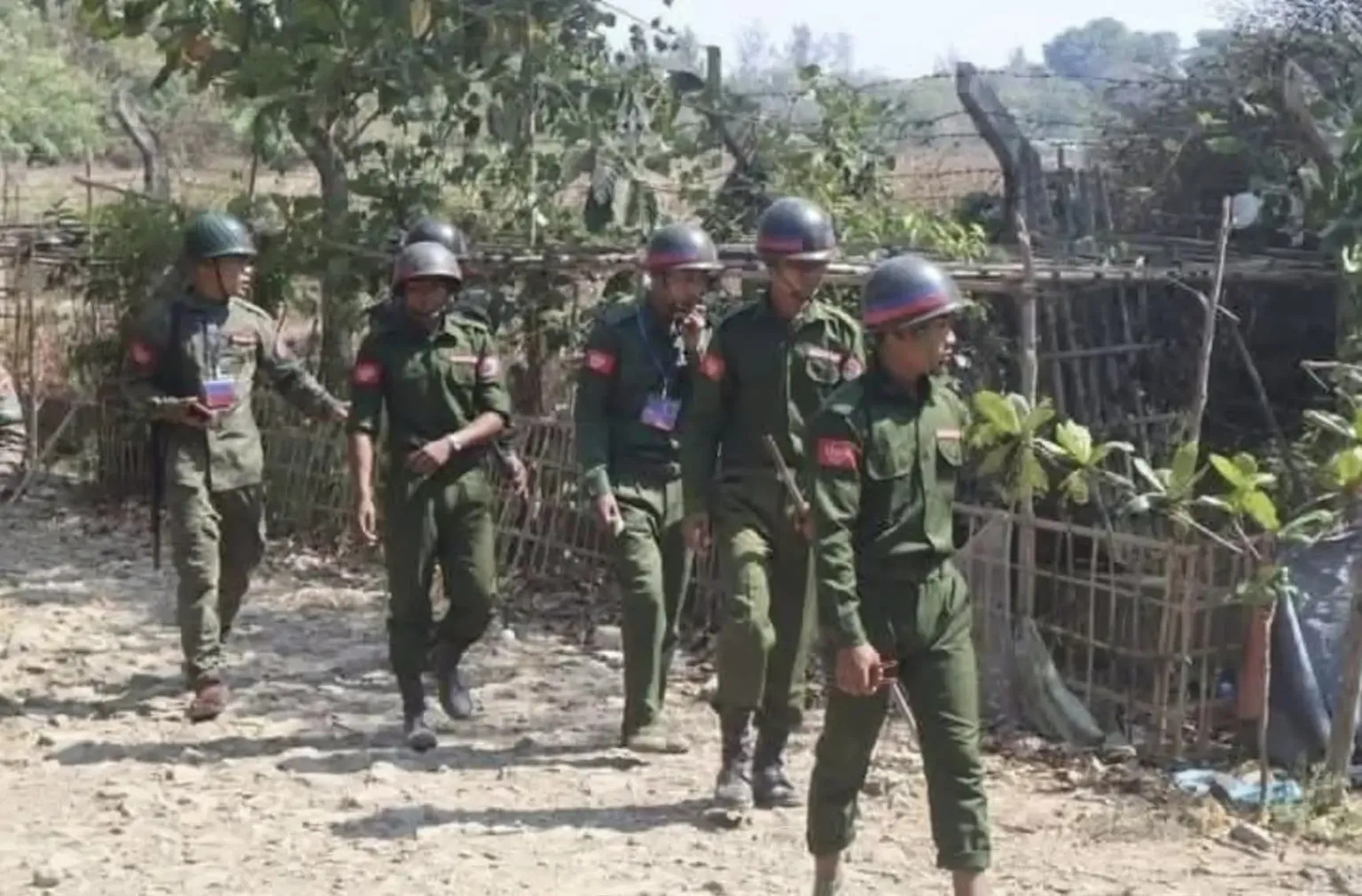
Foreign Secretary Asad Alam Siam highlighted the complex security and political situation in Myanmar’s Rakhine State, where fighting continues and territorial control remains fragmented.
He said Bangladesh faces three key realities: Rakhine remains unstable, the authorities controlling territory are not necessarily the same actors with whom Bangladesh is expected to engage officially, and the displacement crisis is continuing as new arrivals from Rakhine enter Bangladesh.
“Repatriation is the only durable solution for us,” Siam said, stressing that Bangladesh wants to stop further displacement rather than merely manage the refugee crisis.
He said stronger political support from the international community was needed and that repatriation must involve more than crossing the border, including guarantees of safety, security, basic human rights and legal identity for the Rohingya.
The conference also examined the humanitarian and socioeconomic impact of the prolonged crisis on Bangladesh, international burden-sharing, prospects for repatriation and regional and global efforts to resolve the crisis.
Organisers said a policy brief based on the conference deliberations would be prepared to support future policymaking on the Rohingya issue.
Meanwhile, Kabir ruled out the possibility of Prime Minister Tarique Rahman attending the upcoming BRICS Summit in New Delhi, saying the invitation had been extended to the BIMSTEC chair rather than Bangladesh’s prime minister.
BOB Post