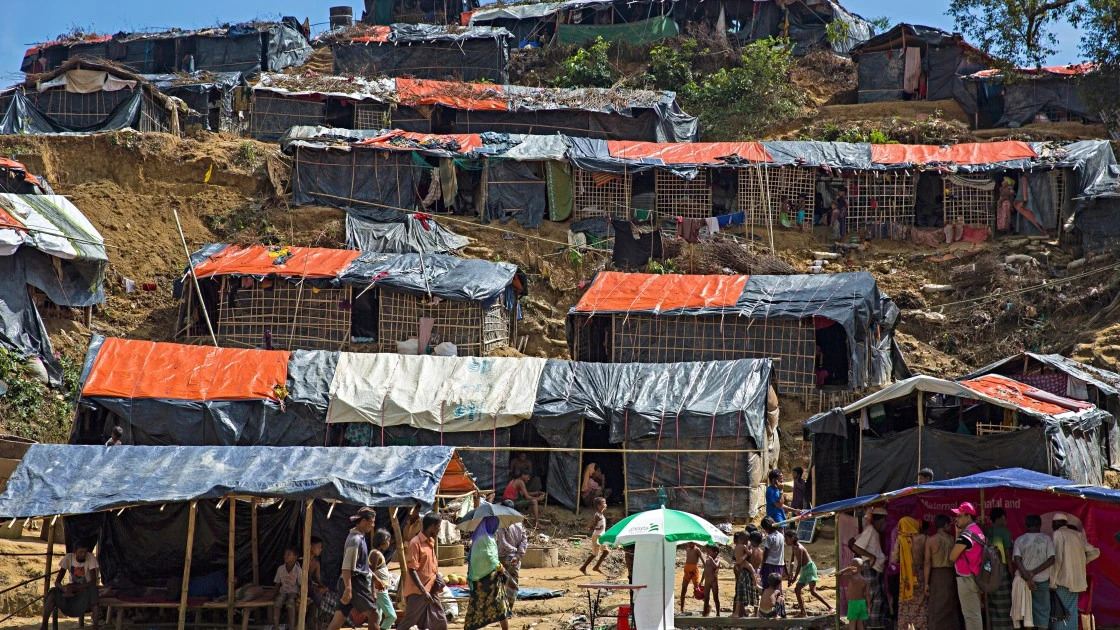
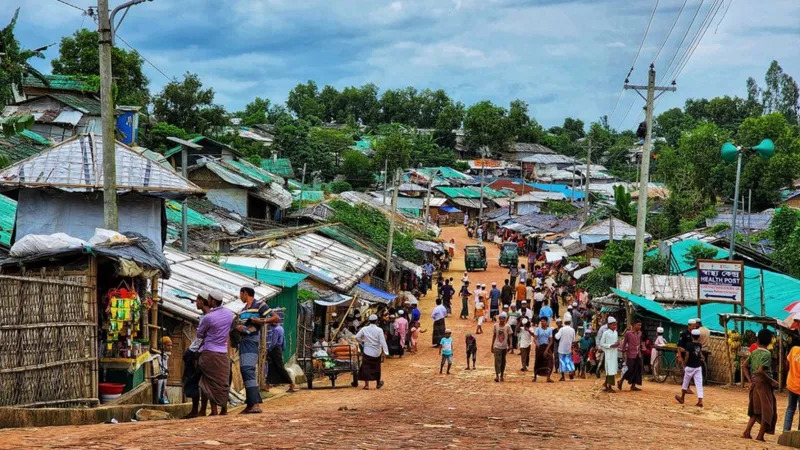
Bangladesh Prime Minister Tarique Rahman has said the prolonged presence of nearly 1.3 million Rohingyas in the country is placing considerable pressure on its economy and environment, adding to the challenges faced by one of the world’s most densely populated nations.
He made the remarks during a meeting with Canadian Parliamentary Secretary for International Development Randeep Sarai at the Prime Minister’s Office in Dhaka on Monday (October 12).
According to BSS, Tarique Rahman told the Canadian representative that while continued humanitarian assistance for the Rohingyas remains essential, their safe, voluntary and dignified repatriation to Myanmar is the only sustainable solution to the crisis. He stressed that since the crisis originated in Myanmar, its lasting resolution must also be found there.
Sarai agreed on the importance of ensuring the peaceful, safe and dignified return of the displaced population to their homeland.
The meeting also covered ways to strengthen Bangladesh-Canada relations, expand economic cooperation and explore new opportunities for strategic partnership. Discussions included the Rohingya crisis, energy security, technical education, agriculture, food security, climate finance and poverty reduction.
The prime minister highlighted Bangladesh’s need for support from friendly countries such as Canada in key sectors, including healthcare and education.
Canada expressed interest in supporting Bangladesh’s energy security, particularly through the supply of oil and liquefied natural gas (LNG). Both sides discussed the potential for Canada to become a reliable partner in meeting Bangladesh’s energy needs.
Cooperation in technical and vocational education and training (TVET) was another priority. Canada expressed willingness to help expand skills development programmes, while the two sides also discussed establishing nursing training institutions and increasing the supply of qualified nurses.
Agricultural cooperation featured prominently in the talks, with both countries exploring opportunities to strengthen the production and supply chains of pulses and oilseeds. Canada also expressed interest in supporting Bangladesh’s efforts to ensure food security.
The prime minister was briefed on ongoing activities in Bangladesh through the International Maize and Wheat Improvement Center (CIMMYT), which supports agricultural research and development.
Tarique Rahman also outlined the government’s proposed Farmer Card programme, through which farmers would receive essential agricultural inputs, including fertilizers and seeds. The initiative is expected to create a comprehensive database of farmers, helping authorities improve agricultural planning and deliver public assistance more efficiently.
The two sides discussed the possibility of drawing on Canada’s expertise in data management and evidence-based planning to improve agricultural support systems.
Renewable energy development, canal excavation and the government’s plan to plant 250 million trees were also discussed during the meeting.
Sarai said Canada was interested in providing 13 billion Canadian dollars in climate financing worldwide over the next five years, noting that Bangladesh could also benefit from the proposed funding.
Canada further expressed willingness to assist Bangladesh in conducting feasibility studies before the implementation of development projects, a step that could help improve planning and assess the viability of major investments.
During the meeting, Sarai praised Bangladeshis living in Canada and Canadians of Bangladeshi origin for their contributions, professional skills and positive outlook. He also informed the prime minister that two people of Bangladeshi origin were serving as members of the Canadian Parliament.
At the conclusion of the meeting, Sarai invited Tarique Rahman to visit Canada.
Bangladesh Foreign Affairs State Minister Shama Obaed Islam, Prime Minister’s Adviser on Education, Expatriates’ Welfare and Overseas Employment Mahdi Amin, Press Secretary Saleh Shibly and other senior officials attended the meeting. Canadian High Commissioner to Bangladesh Ajit Singh and other officials were also present.
BOB Post